
Why Does My AC Smell Musty? Common Causes and How to Fix Your System
NOVEMBER 11, 2026 | Home Care Buzz Experts | 10 minute read
Blog Summary
A musty AC smell almost always means trapped moisture. Mold and mildew can grow on the evaporator coil, in the drain pan, or inside the condensate drain line.
Start with the easiest fix: replace your air filter. Then check the drain pan for standing water before you call a technician.
Coil cleaning and drain pan replacement are jobs for a pro. If you have HVAC coverage, submit a service request to start the claims process.
If you are wondering why your AC smells musty, the short answer is moisture. Somewhere in your system, water is sitting where it should be draining, and mold and mildew are growing in it. The smell is strongest when the system first kicks on, which is why HVAC technicians have a name for it: dirty sock syndrome. Your air conditioner should not have any unpleasant odors when working correctly, so a damp, locker-room smell is worth tracking down rather than masking it.
But fear not! Below are the most common causes worth checking. So, if your air conditioner smells, we will provide practical solutions to eliminate the musty odor, leaving your home fresh and comfortable once again.
Why Your AC Smells Musty: How Mold Gets Started
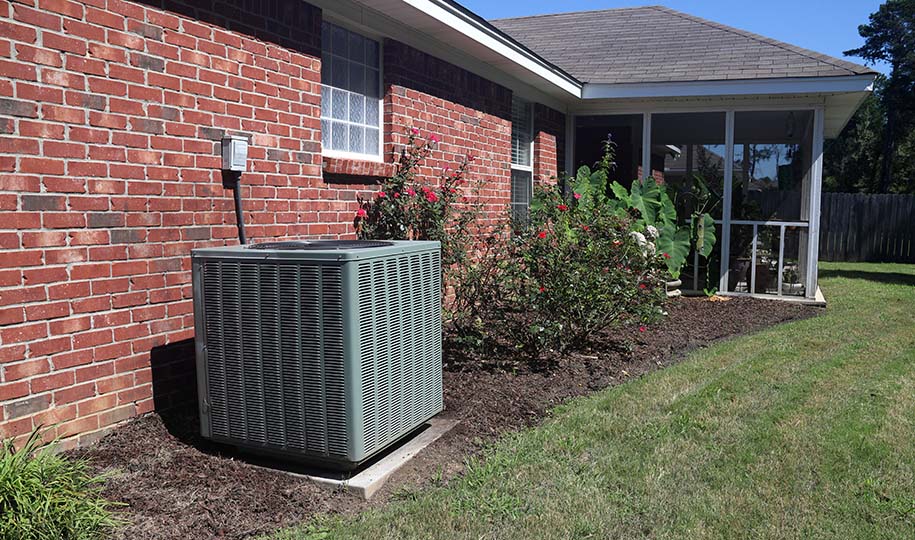
Once you see how water becomes mold, the fix is obvious. Your evaporator coil, the indoor part of the system, runs cold, so when warm household air passes over it, condensation forms on the coil the way it beads on a cold glass. That water should drip into a drain pan and run out through the condensate drain line.
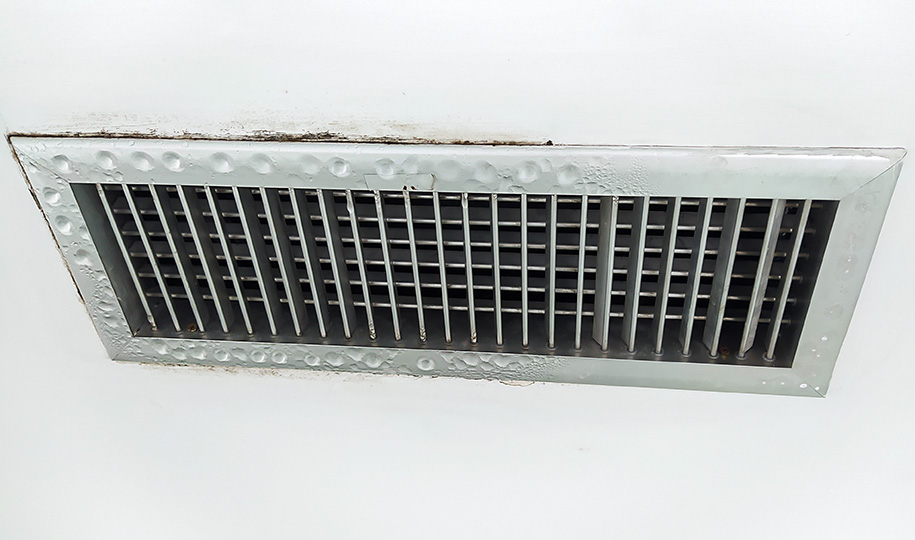
When the line clogs with algae and sludge, the water backs up and sits in the pan. Standing water in a dark, enclosed cabinet is close to ideal for mold and mildew, and every time the blower starts, air moves across that growth and carries the odor through your ducts into every room. It is also how mold inside your ductwork gets established.
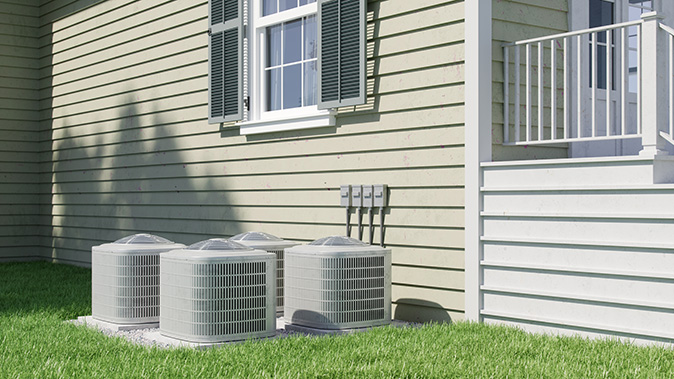
What Is Dirty Sock Syndrome?
Dirty sock syndrome is an industry term for the damp, sour, gym-locker odor that hits hardest in the first minutes after startup and then fades. It comes from bacteria and mold on the evaporator coil, and it shows up most in spring and fall, when a system alternates between heating and cooling and the coil cycles warm, then cold. Heat pumps are especially prone to it. The smell fading does not mean the problem went away; it means you stopped noticing it.
Common Causes of an Air Conditioner That Smells Musty
Here are some of the most common causes of air conditioner smells:
Clogged Condensate Drain Line
The most common source. When the line clogs, water backs up into the pan and stays there. Signs: water around the indoor unit, a full pan, or a drain line that is not dripping outside while the system runs on a humid day.
Cracked or Overflowing Drain Pan
A clogged line and a failed pan smell the same but need different fixes, so check both. Most systems have two pans: a primary one under the indoor evaporator coil and an auxiliary pan below it to catch overflow. Pans rust and crack with age, and a cracked pan keeps leaking even after the line is clear. A full pan with a freely flowing line usually points to the pan.
Dirty Air Filter
A filter loaded with dust holds humidity against itself, and in a humid climate that alone can start mold growing in the airstream. This is the cheapest thing to rule out and most likely to be the whole problem.
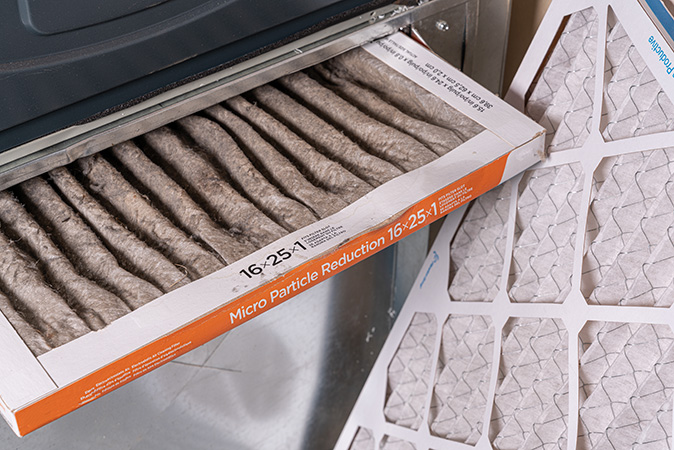
Dirty Evaporator Coil
Dust that gets past the filter settles on the coil, and since the coil is wet whenever the system runs, that dust becomes a damp film mold takes to readily. Cleaning it usually clears the smell for good, but coil fins are thin aluminum that bend and puncture easily, and the coil is often awkward to reach. This one is a job for a technician.
Restricted Airflow and a Frozen Coil
Anything that chokes airflow across the coil, including a clogged filter, closed registers, or furniture blocking return vents, lets the coil run colder than it should. Trane notes that reduced airflow can produce a frozen evaporator coil. When that ice melts, it leaves behind more water than the pan and line were sized for, feeding the same mold problem.
What to Do When Your AC Smells Musty
One thing first. If you have a First American home warranty with HVAC coverage, submit a service request before attempting fixes to any covered component. Taking apart a covered system yourself can affect your claim.
Steps 1 and 2 below are homeowner maintenance and fine to do either way; steps 3 and 4 are where that distinction matters. So, if you are standing in the hallway thinking, my AC smells musty and looking for ideas on what to do, start here.
1. Replace the Air Filter
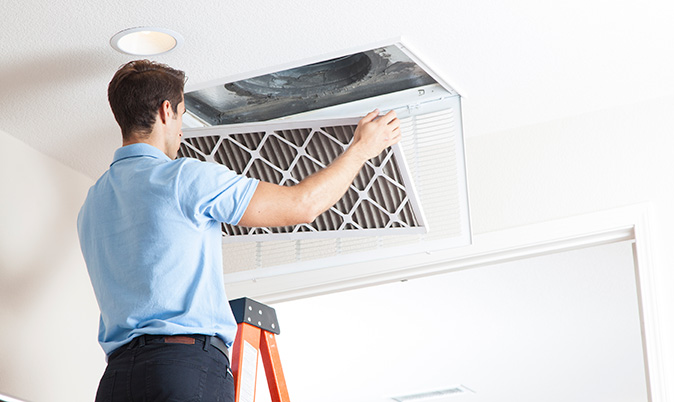
Pull the filter and look at it. If it is gray, matted, or damp, replace your air filter and run the system for a day. Most homes need a fresh one every one to three months, more often with pets or allergies. It is the fix with the highest odds of helping on this list, and plainly a maintenance task rather than a repair.
2. Check the Drain Pan for Standing Water
Find the indoor air handler and look at the pan beneath the coil for standing water, a waterline stain, rust, or cracks. Inspect only, however; no tools. Water in the pan with a dry line outside means a clog; a full pan with the line draining normally points to the pan.
3. Flush the Condensate Drain Line
If you are comfortable with basic maintenance and the line is accessible, find the access cap near the air handler and pour in a mix of about one part distilled white vinegar to one part warm water, let it sit, then flush with plain water. Twice per season keeps algae from reestablishing. Check your manufacturer's guidance first, since some systems specify a particular cleaner or water only, and harsh chemicals can damage the line or its fittings. If the clog comes right back, stop and have it looked at.
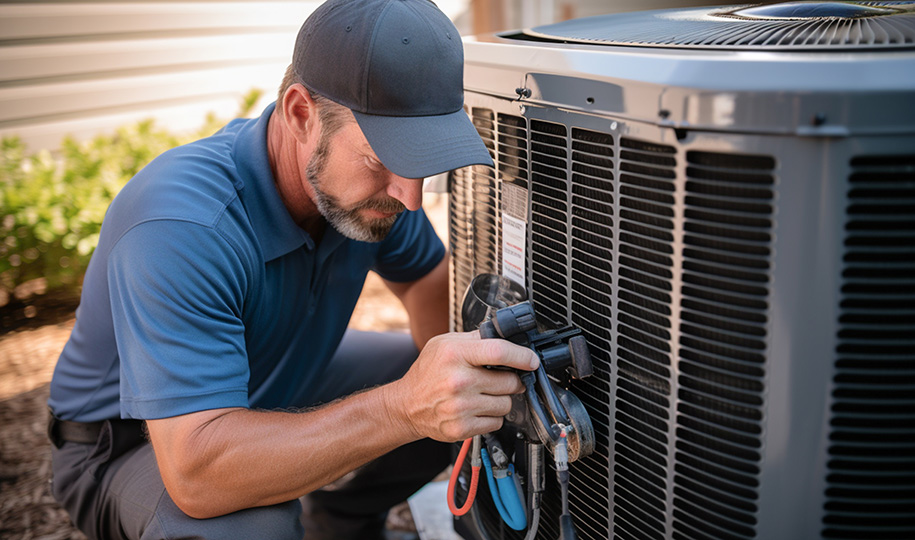
4. Call an HVAC Technician to Service the Coil, Pan, and Ducts
Coil cleaning, drain pan replacement, and duct inspection are all professional work, and all three involve opening up covered equipment. If the smell survives a new filter and a cleared line, one of them is your culprit.
One health note worth taking seriously: a musty smell means mold is growing somewhere in the system, and circulating spores can aggravate allergies and asthma. If anyone in the house has a respiratory condition, move this up your list.
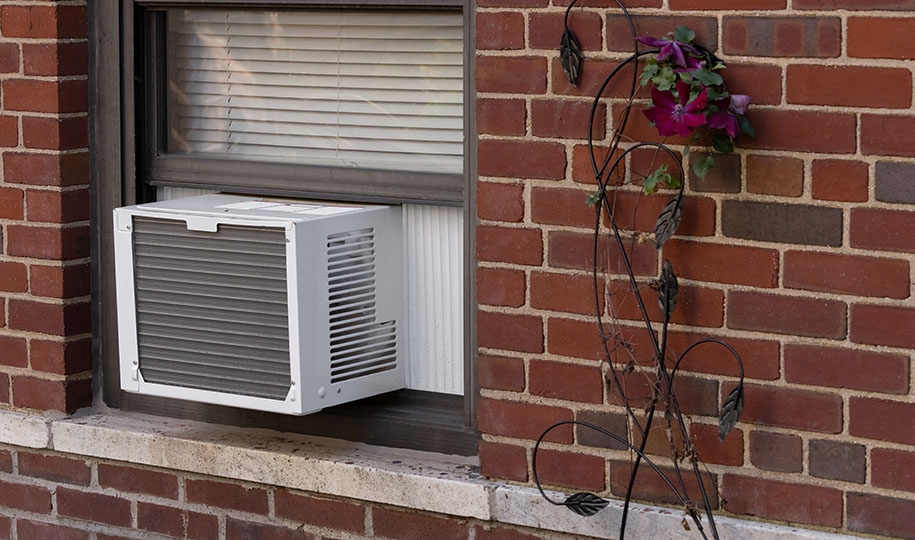
Why Your Window AC Smells Musty
Window units smell musty for the same reason central systems do, but it all happens inside one small chassis. The coil, the pan, and the drain holes sit packed together behind the front grille, and the pan is shallow, so it takes very little debris to block a drain hole and leave water standing inches from the air blowing into your room.
The fix is hands-on and usually simple. Unplug the unit, pull the front grille and filter, wash or replace the filter, and check that the drain holes at the base are clear. Wipe out the pan and let everything dry fully before reassembling. Follow your manufacturer's cleaning instructions here, because the coil is right there and easy to damage. If the smell will not clear after that, replacement is often cheaper than deep service.
Other Air Conditioner Smells to Note
Apart from a musty-smelling AC, you might encounter a few other odors coming from your air conditioner. Here’s what they could mean.
Burning Smell
If you detect a burning smell coming from your air conditioner, shut off your system immediately. This odor could indicate burning components within the system, which can be a severe safety hazard.
Solution: Turn off your air conditioner immediately and contact a professional HVAC technician to assess the situation. Trying to fix HVAC or electrical issues on your own can be dangerous and may result in further damage.
Exhaust-Like Smell
Your air conditioner should never emit a smell resembling car exhaust. If you notice a weird smell when the AC turns on, like exhaust fumes, it could be a sign of a refrigerant leak.
Solution: Refrigerant leaks are more common in older AC units and can harm the environment. It’s essential to have a certified professional handle refrigerant inspections and repair any refrigerant leaks promptly. In the meantime, ventilate your home by opening windows and doors to minimize exposure to the chemicals.
Gas-Like Smell
If you detect skunky, gassy, and musty smells from an AC unit, it’s likely a sign of a gas leak. The distinctive smell is due to a chemical called Methyl Mercaptan, which is added to AC gas to make leaks easily detectable.
Solution: If you notice this smell, immediately switch off the gas supply to your AC system and contact your utility provider. They will help locate the source of the gas leak and take appropriate measures to resolve the issue. Gas leaks can be dangerous, so it’s important to address them right away.
Keeping Musty Smells from Coming Back
Prevention is the key to maintaining a fresh-smelling air conditioner and a pleasant indoor environment. Here are some proactive measures you can take.
- Change filters on a schedule. Put it on the calendar rather than waiting to notice. Clean filters keep humidity from collecting in the airstream to begin with.
- Run the fan after cooling. Switching to fan-only for a few minutes after a long cooling cycle helps dry the coil instead of leaving it wet in a closed cabinet.
- Keep up with routine HVAC maintenance. A seasonal visit helps catch a slow-draining line or a rusting pan while it is still small. A home warranty that covers HVAC systems includes the option of seasonal HVAC tune-ups, and that cleaning helps extend the life of your AC unit.
- Flush the drain line seasonally. Per step 3 above, with the same manufacturer caveat.
- Consider a UV lamp, with realistic expectations. Some homeowners add a UV germicidal lamp aimed at the coil after a professional cleaning to slow regrowth. Before you spend: the EPA says typical home UV units "have limited effectiveness in killing bacteria and molds," that killing most mold spores "usually requires much higher UV exposure" than they deliver, and that dead spores can still trigger allergies. Treat it as a supplement to keeping the coil clean and dry, not a substitute.
When to Seek a Pro’s Help
While you can resolve some issues yourself, you should contact an HVAC technician if:
- The smell persists after a new filter and a cleared drain line.
- You can see standing water, rust, or cracks in the drain pan.
- There is visible mold in the cabinet, on the coil, or at the vents.
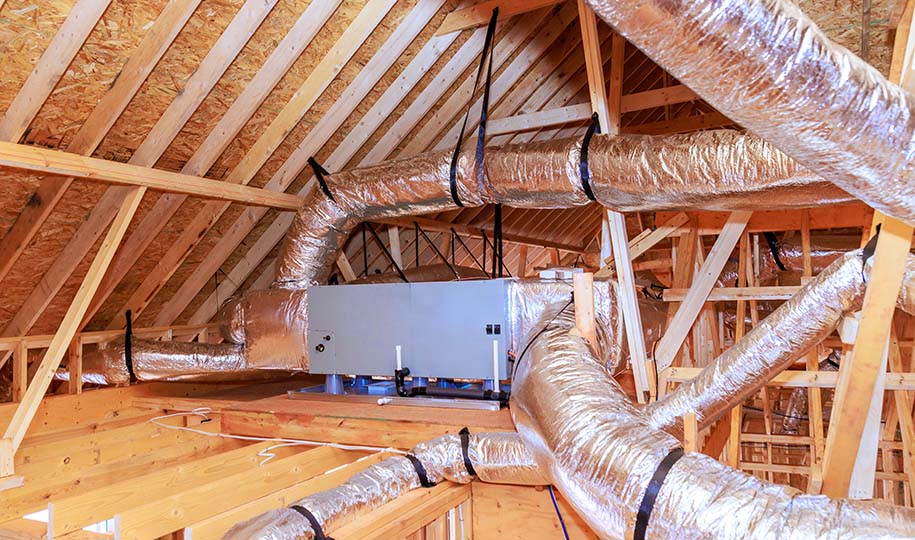
- The indoor unit is in an attic, crawlspace, or anywhere awkward enough that working on it safely is a problem.
And again, if you have HVAC coverage, a service request is the right first move rather than the last one. A professional HVAC technician can diagnose why your air conditioner smells musty and fix the issue.
How a Home Warranty Can Help When Your AC Fails
A musty smell is usually a maintenance problem, but the components behind it do fail. Evaporator coils corrode and leak, drain pans rust through, and blower motors wear out. A First American home warranty can provide a simple solution when your air conditioner isn’t working.
With a home warranty, you have protection for repairs or replacement of covered home systems and appliances when they break.* Contact us today for a free quote and enjoy the benefits of comprehensive coverage and reliable service.
FAQs: When Your AC Smells Musty
Why does my AC smell musty when it first turns on?
Mold and bacteria grow on the coil and in the drain pan while the system sits idle, and when the blower starts, it pushes that first wave straight through the growth and into your ducts. Technicians call this dirty sock syndrome, and it is most noticeable in spring and fall when systems alternate between heating and cooling. The odor is strongest in the first air to cross a damp evaporator coil.
Is a musty smell from an AC unit dangerous?
The smell itself is not, but it is a reliable sign that mold or mildew is growing inside your system and circulating through your home. Mold exposure can aggravate allergies and asthma, so it matters more for someone who has a respiratory condition. Not an emergency, but not something to live with for a season either.
How do I flush my AC condensate drain line?
Turn the system off and find the access cap on the drain line near the indoor air handler. Pour in a mix of about one part distilled white vinegar to one part warm water, let it sit roughly half an hour, then flush with plain water. Once or twice a cooling season keeps algae from building back up. Check your manufacturer's guidance first, since some systems call for a specific cleaner or water only.
Can I clean the evaporator coil myself to get rid of the musty smell?
It’s best not to clean this yourself. Coil fins are thin aluminum that bend and puncture easily; a damaged coil often means replacing the coil, and on most systems, it sits behind panels that must come off. Coil cleaning also counts as opening a covered component, so with HVAC coverage, a service request is the better route. Replacing the filter and clearing the drain line are the two steps worth trying for yourself first.
Does a home warranty cover AC repairs and maintenance?
Those are two different things. A home warranty is built around repairs: when a covered component fails from normal wear and tear, your plan can help cover the repair or replacement. Routine upkeep like changing filters stays with you. First American plans do include the option of seasonal HVAC tune-ups, which is the cleaning and inspection that keeps a musty smell from developing. Coverage and limits vary by plan, so review your contract for specific coverage, terms, and limitations.
*If we can’t repair an item, we will replace it. Please read your contract for specific coverage and limitations.
The contents of this article are provided for general guidance only. First American Home Warranty does not assume any responsibility for losses or damages as a result of using this information.


Keep Reading




Home Care Buzz Experts
The First American Home Care Buzz team is made up of experienced home warranty writers and editors. Our team provides valuable insights and information to help homeowners like you meet the daily challenges of homeownership.
This article is about...