
How to Deep Clean Your Appliances Step by Step
AUGUST 02, 2024 | Home Care Buzz Experts | 6 minute read
From the kitchen to the laundry room, it's important to know how to deep clean appliances as part of your maintenance routine. But it's not just about the usual suspects like the refrigerator and oven. Many homeowners forget about smaller or less visible appliances and areas that also need attention. Below, we'll cover tips for deep cleaning your major appliances and a few others you may have forgotten about. Whether it's the dishwasher filter, dryer vent, or garbage disposal, we've got you covered with practical advice to keep your appliances running smoothly and your home looking spotless.
Deep-Cleaning Appliances: The Usual Suspects
Over time, everyday appliance use can lead to a buildup of dirt and grime that affect their appearance and potential performance. From scrubbing out your microwave to descaling the coffee maker, we've assembled some quick tips to help you deep clean appliances you use regularly.
- Refrigerator: Start cleaning your refrigerator by emptying out all contents and removing any shelves and drawers. Wash these components with warm, soapy water and wipe down the interior with a mixture of one part water and two parts baking soda to eliminate odors and stains. (You may have to make a second pass with a clean, damp cloth to ensure any remaining mixture is removed.) Cleaning the outside of your fridge depends on its material. Here are some instructions on how to deep clean stainless steel appliances.
- Oven: As part of routine oven maintenance, use a commercial oven cleaner or create a paste of baking soda and water to coat the interior surfaces. Let it sit overnight, then wipe away the grime with a damp cloth and rinse thoroughly.
- Microwave: To clean your microwave, place a microwave-safe bowl filled with water and a few slices of lemon inside and run on high for several minutes. The steam will loosen any food particles, making them easy to wipe away with a clean cloth.
- Dishwasher: First, remove and rinse the dishwasher filter under warm water. Next, clean your dishwasher by running a cleaning cycle with a specialized dishwasher cleaner or white vinegar to remove any lingering odors and residue.
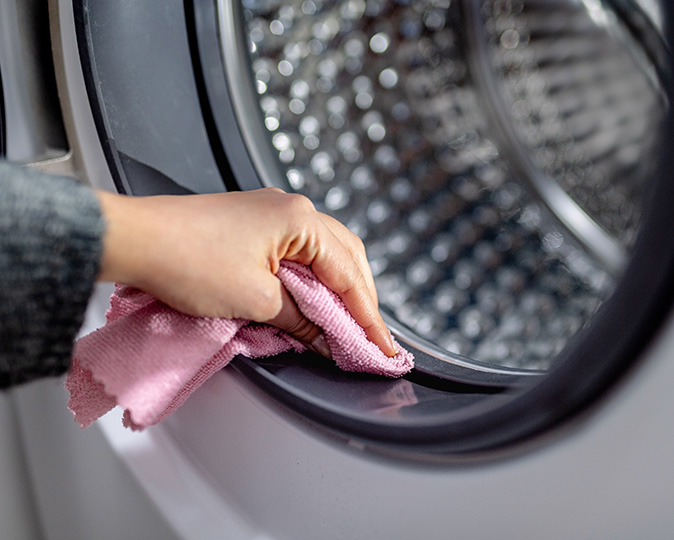
- Washing machine: Clean the detergent drawer and door seal first with a damp cloth. Then run a hot wash cycle with a washing machine cleaner or distilled white vinegar to cleanse the drum and remove any moldy smells. (Also, check out how a water softener could extend your washer's life.)
- Dryer: Clean the lint filter after every load and check the vent hose periodically for lint buildup. Use a vacuum to clear out any excess lint within the hose and the dryer's interior. For more info, check out our blog on washer and dryer maintenance.
Cleaning Often-Overlooked Appliances
When you're learning how to deep clean appliances and planning to tackle each of them, it's easy to miss some. However, neglected items can accumulate dust, grime, and allergens, which can impact your health if left ignored for too long. For instance, buildup in dryer vents or AC condensate lines can pose serious safety risks, including fires or water damage. Similarly, bacteria and mold can thrive in less visible areas, such as behind toilets or under large appliances, potentially causing health issues or unpleasant odors.
Regularly attending to these forgotten areas can also help extend the life of your home's components. Cleaning fridge coils, for example, can enhance your refrigerator's efficiency, lowering energy costs and slowing wear and tear. Similarly, clearing out window tracks and dusting blinds can prevent mechanisms from sticking and materials from deteriorating. By investing a little extra time in these often-ignored spots, you can improve the functionality and longevity of your home's features and contribute to a cleaner, safer living space. Here are a few of the spots you might have forgotten to clean:
- Coffee maker: Fill the reservoir with equal parts white vinegar and water to make a safe cleaning solution and start a brew cycle. Midway through, turn off the appliance to let the solution sit for an hour before completing the cycle and rinsing thoroughly.
- AC condensate line: Flush the line with a mixture of bleach and water to prevent mold and algae buildup, ensuring efficient functionality and preventing water damage. (Check out more tips on HVAC maintenance.)
- Garbage disposal: To clean the disposal mechanism, pour a mix of ice cubes and salt, followed by half a lemon to freshen up the drain. This is one of many garbage disposal maintenance tips that can help keep this appliance running smoothly.
- Dryer vents: Beyond the lint trap, ensure the external dryer vent is checked and cleared of lint to prevent fire hazards and maintain dryer efficiency.
- Refrigerator coils: Vacuum the coils at the back or beneath your fridge to remove dust and pet hair. This improves energy efficiency and overall performance. Cleaning these regularly can help prevent common fridge problems.
- Range hood filter: To clean your oven range filter, start by soaking it in a degreasing solution, then scrub, rinse, and dry thoroughly to maintain optimal air quality and vent function.
- Trash compactor: To clean your trash compactor, wipe down the interior and exterior with a disinfectant solution. Remember to replace the filter periodically to control odors.
- Ceiling fan blades: Dust accumulates on top of the blades and can circulate allergens; wipe down with a damp cloth or use a pillowcase to wipe and trap dust at the same time.
- Underneath large appliances: Move your stove and washing machine a few times a year to sweep and mop the areas around them.
- Window tracks: Vacuum debris from the tracks, then wipe down with a mixture of baking soda and vinegar to remove grime.
- Behind the toilet: This hard-to-reach area can harbor dust and grime; scrub regularly with a disinfectant to maintain cleanliness. (Don't forget to also clean inside your toilet tank!)
- Baseboards: Dust and wash baseboards periodically to keep dust and allergens from accumulating, especially in high-traffic areas.
- Light switches and door handles: Wipe down with disinfectant regularly to prevent the spread of germs, especially during flu season.
- Remote controls: Remove batteries and clean the surface and buttons with a disinfectant wipe to remove germs and buildup from daily use.
- Blinds and window treatments: Dust and wash blinds, and vacuum drapes and curtains to remove dust mites and allergens.
- Toothbrush holder: Often overlooked, this can become a breeding ground for bacteria. Wash it in the dishwasher or scrub with hot soapy water weekly.
You'll be amazed at the difference regular cleaning can make. Even if you got used to dusty baseboards and light switch covers, seeing them sparkle again will bring new life to your space. To keep up with other tasks around the house, check out our more extensive home maintenance checklist.
FAQs About Deep-Cleaning Appliances and More
What is the best thing to clean appliances with?
The best solution for cleaning your appliances depends on the appliance itself. You can use store-bought appliance-cleaning products or check out our blog on DIY cleaning solutions to find a few options. You'll find there are many methods for how to clean kitchen appliances naturally, if you choose.
How do you deep clean older appliances?
Use caution and gentle cleaning materials to clean older appliances and consult their manuals if possible. It's also a good idea to unplug any appliance before a deep clean, especially older ones, in case of electrical issues from wear and tear.
What is the hardest kitchen appliance to clean?
The dishwasher is often considered one of the hardest kitchen appliances to clean thoroughly. The complexity arises because food particles, grease, and soap scum can accumulate in hard-to-reach places, making it more difficult to clean your dishwasher.
How do you remove caked-on grease from appliances?
To remove caked-on grease from appliances, create a paste of baking soda and water, apply it to the greasy areas, let it sit for 20-30 minutes, then scrub off with a damp sponge or cloth, and rinse again with water. For tougher grease, use a commercial degreaser, following the manufacturer's instructions for best results.
The contents of this article are provided for general guidance only. First American Home Warranty does not assume any responsibility for losses or damages as a result of using this information.
Please be aware that if you disassemble a covered system or item, it can invalidate your home warranty or manufacturer's warranty.




Keep Reading








Home Care Buzz Experts
The First American Home Care Buzz team is made up of experienced home warranty writers and editors. Our team provides valuable insights and information to help homeowners like you meet the daily challenges of homeownership.
This article is about...