
How to Replace an AC Air Filter: A Step-by-Step Guide
JANUARY 28, 2026 | Home Care Buzz Experts | 5 minute read
If your home doesn’t feel as cool or warm as it used to, the problem might be as simple as a dirty air filter. Knowing when and how to replace an AC air filter is one of the easiest and most important parts of AC maintenance. A clean filter keeps your system running more efficiently, helps improve indoor air quality, and can even extend the life of your HVAC system.
Many homeowners overlook this small but critical task. Unfortunately, neglecting it can lead to common AC problems like weak airflow, frozen coils, or even a complete breakdown. The good news? Replacing an AC air filter is a simple, affordable task that you can usually do yourself in a few minutes.
Why Replacing Your AC Filter Matters
Your AC filter captures dust, pollen, pet dander, and other airborne particles before they circulate through your home. Over time, the filter can become clogged, causing your system to work harder. This can:
- Reduce energy efficiency and drive up your utility bills.
- Reduce indoor air quality, allowing allergens and dust to recirculate.
- Shorten your system’s lifespan by putting extra strain on parts.
- Increase the risk of breakdowns and costly repairs.
In short, a dirty filter can cost you money and compromise your family’s health.
How to Replace an AC Air Filter: Step by Step
Changing your air filter may sound intimidating, but it’s straightforward once you know where to look. Follow these steps:
Step 1. Turn Off the Power
Safety comes first. Before you begin, turn off the power to your unit. Many HVAC systems have a nearby switch, but you can also shut it down at the circuit breaker if you’re unsure.
Pro tip: If your filter is in a return air vent rather than the unit itself, you can usually skip this step.
Step 2. Locate the Filter
Filters are typically found in one of two places:
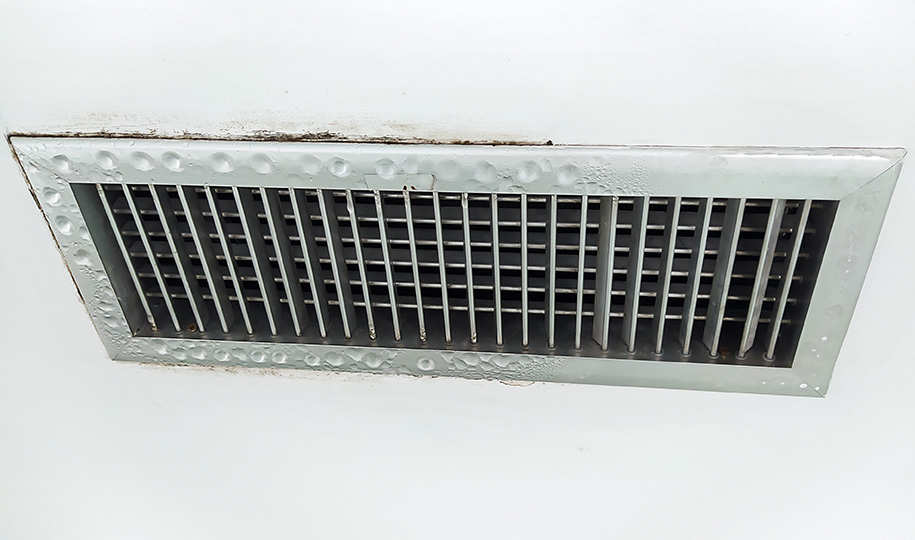
- Inside a return air duct (often in a ceiling or wall grille)
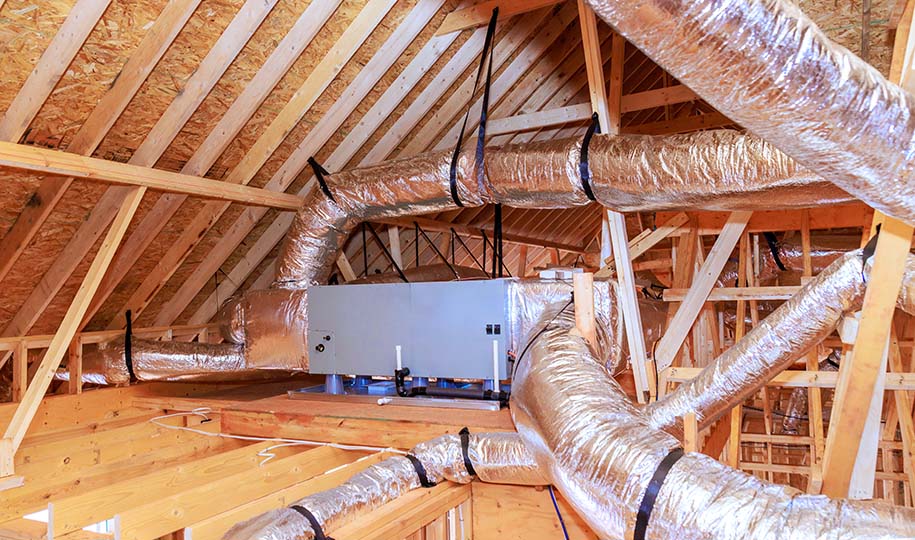
- Inside the blower compartment of your furnace or AC unit
If your system has a panel, you may need a screwdriver or wrench to open it. Check your owner’s manual for guidance.
Step 3. Remove the Old Filter
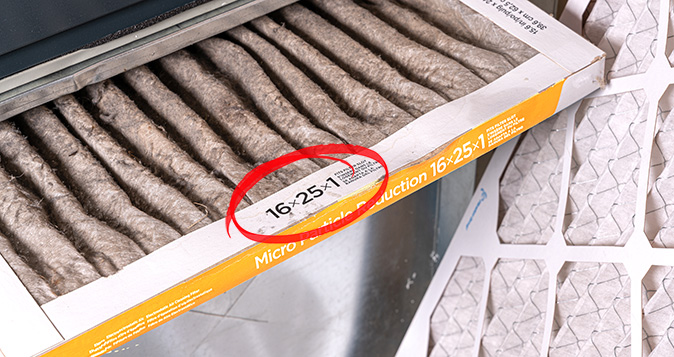
Carefully slide out the old filter. Hold it upright to avoid shaking dust and allergens loose. Check the edges for an arrow indicating airflow direction. You’ll need to know this when inserting the new one.
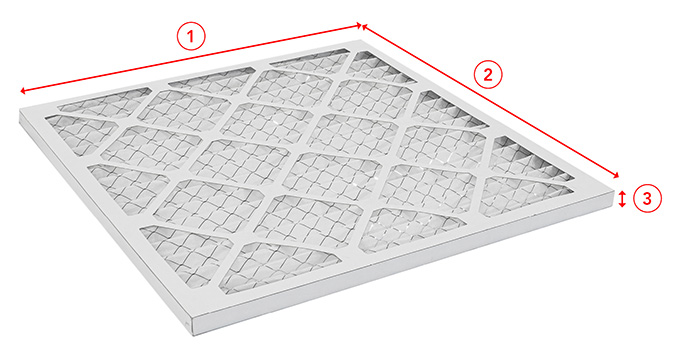
While you have it out, note the size printed on the frame. If it isn’t visible, measure the filter’s length, width, and thickness, or refer to your system manual for verification.
Step 4. Insert the New Filter
Slide the replacement filter in with the arrows pointing in the same direction as the old one. Generally:
- Ceiling or wall-mounted filters: arrows point up toward the unit.
- Blower compartment filters: arrows point toward the blower motor.
Once it’s in place, close the panel (if applicable) and restore power to your system.
And that's it! You’ve successfully replaced your air filter. You may notice improved airflow and cleaner air in your home within a few hours.
How Often to Replace an AC Air Filter
Most standard one-inch filters should be replaced every 90 days. However, your schedule may vary depending on several factors:
- Pets: Fur, dander, and dust shorten a filter’s lifespan. With one pet, consider changing it every 60 days. With multiple pets, monthly may be best.
- Allergies or asthma: To improve indoor air quality and minimize allergens, use higher-quality filters and replace them more often.
- Climate and usage: Running your system year-round, especially in hot or humid regions, means you’ll need more frequent changes, sometimes as often as once a month.
- Filter type: High-efficiency filters, such as HEPA or pleated designs, often last longer than basic fiberglass filters but may cost more.
Setting a reminder on your phone or marking your calendar can help you stay consistent with this important AC maintenance task.
Signs It’s Time to Replace Your Filter
Even if you forget to track the calendar, your system will usually give you signs that the filter needs changing:
- Increased dust buildup in your home
- Weak or uneven airflow from vents
- Rising energy bills without a change in usage
- More frequent allergy or asthma flare-ups indoors
- AC running longer than usual or struggling to reach set temperatures
If you notice these symptoms, check your filter right away.
Types of AC Filters
Not all air filters are the same. Choosing the right one can help extend the life of your HVAC system and reduce energy bills. Here are the most common options:
- Fiberglass filters: Inexpensive and disposable, but not as effective at trapping small particles
- Pleated filters: Made of polyester or cotton folds that catch more dust and allergens
- HEPA filters: High-efficiency particulate air filters that capture up to 99.97% of particles, ideal for allergy sufferers
- Washable filters: Reusable options that can be cleaned and reinstalled, though they require more maintenance
When buying, look for the MERV rating (Minimum Efficiency Reporting Value). Higher ratings mean finer filtration, but your system’s manual will specify the range it can safely handle.
Air Filter Replacement Tips
Replacing your filter regularly is simple, but remembering to do it can be tricky. Try these tips:
- Write the replacement date on the frame of the new filter.
- Swap filters on the same day you pay your utility bill.
- Sign up for a subscription service that delivers filters on a set schedule.
- Keep extra filters on hand, so you’re ready when it’s time to change.
These small habits can help reduce energy bills, improve indoor air quality, and prevent common AC problems.
Protect Your HVAC System with a Home Warranty
Replacing your AC filter regularly is one of the best ways to keep your system in top shape. Even with proper AC maintenance, unexpected breakdowns can still occur. That’s where home warranty coverage comes in.
With a First American home warranty, you can protect your budget from unexpected, costly repairs or replacements of major home systems and appliances, including central air conditioning. Plans help cover breakdowns due to normal wear and tear, giving you peace of mind and reliable service when you need it most.
Be ready before the next heatwave or cold snap. Visit First American today to learn more and get a free quote.
The contents of this article are provided for general guidance only. First American Home Warranty does not assume any responsibility for losses or damages as a result of using this information.
Please be aware that if you disassemble a covered system or item, it can invalidate your home warranty or manufacturer's warranty.



Keep Reading




Home Care Buzz Experts
The First American Home Care Buzz team is made up of experienced home warranty writers and editors. Our team provides valuable insights and information to help homeowners like you meet the daily challenges of homeownership.
This article is about...