
Dishwasher Not Draining? Here's How to Fix It
APRIL 15, 2025 | Home Care Buzz Experts | 6 minute read
Project Overview

Intermediate

3 Hours

< $150
All Values are Estimates
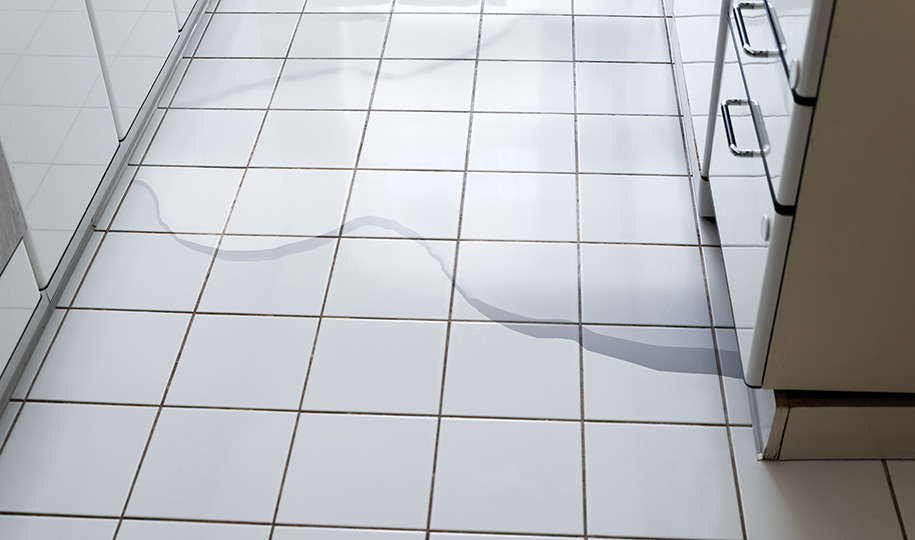
Imagine this: You've just finished dinner, and you’re ready to load up those dirty dishes and let your dishwasher get to work. There's just one problem —when you open your dishwasher, there's a puddle of standing water at the bottom of the appliance.
While you may be feeling confused or frustrated by this inconvenience, a dishwasher not draining is a common problem you may be able to solve on your own using the tips below.
5 Troubleshooting Tips to Try When Your Dishwasher Won’t Drain
If you’re wondering how to fix a dishwasher not draining, here are five steps to try before calling in a plumber. These simple DIY tips are quick and easy ways to troubleshoot and resolve a dishwasher not draining — and get your appliance back in business.
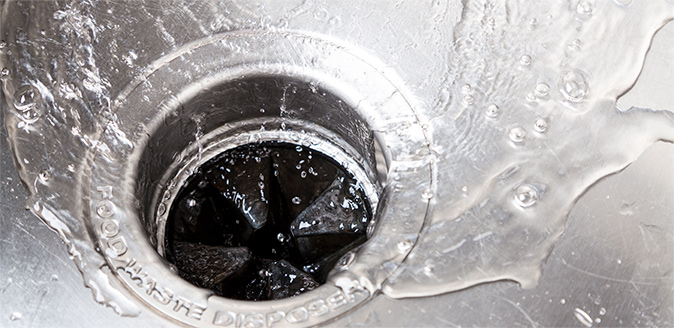
1. Run the Garbage Disposal
If the water in your dishwasher is not draining, try turning on your garbage disposal. Be sure your kitchen sink is running a steady stream of water when you turn on your disposal.
Most dishwashers share your sink's drain hose with the garbage disposal drain, and if your disposal is clogged with unprocessed food or foreign objects, it may be what’s preventing your dishwasher from draining properly.
2. Run Your Dishwasher Again
Sometimes, a dishwasher doesn’t drain because it was interrupted — maybe due to a power outage or someone opening the door mid-cycle. When this happens, water can collect at the bottom instead of draining properly.
Some dishwashers have a "cancel,” "drain," or “reset” button near the power button. You can press this button to drain the water from your dishwasher and cancel the cycle. If yours doesn’t have a button, try restarting the cycle and let it run until it’s complete.
Pro tip: Check your dishwasher’s manual for details on how the cancel/drain feature works on your model. Using it when needed can help keep your appliance running smoothly.
3. Clean the Dishwasher Filter
Every dishwasher has at least one filter, typically located at the bottom or back of the appliance. The filter catches food, hard water deposits, and the occasional bit of garbage that makes it into your machine (like that pesky sticker from the bottom of your coffee mug).
If your dishwasher isn’t draining completely, the filter is a likely culprit. Cleaning your dishwasher filter can help prevent clogs and keep your appliance running smoothly.
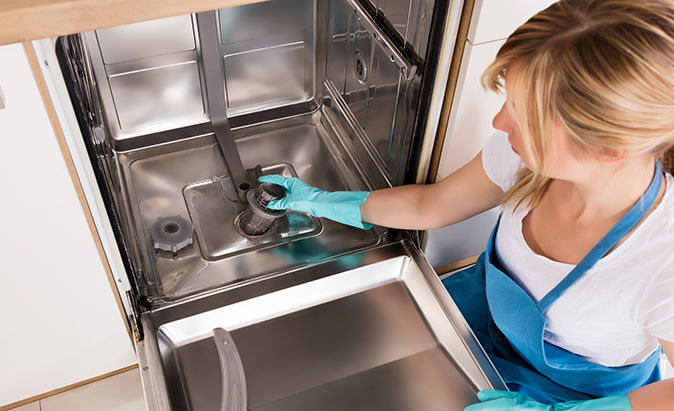
You’ll find your filter at the bottom of your dishwasher – usually under the lower spray arm. Most filters twist off with a simple counterclockwise turn, while others may have a latch or locking mechanism. If you’re unsure how to remove yours, watch this video for a step-by-step guide.
Once you’ve removed the filter, wash it by hand in warm, soapy water. Use a small brush to reach any hard-to-clean spots and rinse it in warm water. Allow your filter to dry thoroughly before putting it back. If your dishwasher has multiple filters, repeat this process for each one.
4. Check the Drain Hose for Clogs
Your dishwasher’s drain hose carries the wastewater from the dishwasher to the drain or garbage disposal. If it’s clogged, the water won’t drain properly. Most dishwashers connect directly to the sink drain or route through the garbage disposal.
If Your Dishwasher Drains Into a Garbage Disposal
- Run the disposal: As mentioned above, leftover food scraps can clog the drain and prevent water from flowing. Turn on the garbage disposal for about 30 seconds to clear any blockages.
- Check the knockout plug: If you recently installed a new disposal, the small plastic plug inside the drain opening may still be in place. Remove the hose, poke inside the opening, and pop out the plug if needed.
If Your Dishwasher Has a Separate Drain Hose
- Inspect the hose for kinks: Look under the sink or behind the dishwasher to see if the hose is bent or pinched. Gently straighten out any kinks.
- Check for clogs: Detach the hose from the drain connection (you may need pliers to loosen the clamp). Hold the hose over a bucket and pour hot water through it. If water doesn’t flow freely, then use a long, flexible brush or a straightened wire hanger to clear any debris.
- Reattach the hose securely: Make sure the hose is tightly fastened to prevent potential leaks.
If you’re still dealing with standing water, there may be a deeper clog or an issue with the dishwasher pump.
5. Examine the Air Gap
Some dishwashers have an air gap, which is a small cylindrical device mounted on a sink or countertop near the faucet. It prevents dirty water from flowing back into your dishwasher by creating a break between the dishwasher drain hose and the sink drain.
If the air gap gets clogged, your dishwasher may not drain properly.
How to Check and Clean the Air Gap
- Locate the air gap: Look for a small metal or plastic cap near your sink faucet. It’s usually about 2 inches tall and sits on top of your sink or countertop.
- Remove the cover: Most air gap covers simply pull straight up, but some may require a slight twist counterclockwise before lifting it off. If it feels stuck, gently wiggle it while pulling.
- Clean out any debris: Use a small brush (like a bottle brush or an old toothbrush) to scrub inside the air gap. You can also run warm water through it or use compressed air to blow out any buildup.
- Check the drain hose connection: The air gap connects to a drain hose that leads to the garbage disposal or sink drain. Under the sink, locate the hose coming from the bottom of the air gap. Disconnect it (you may need pliers to loosen the clamp) and inspect it for blockages. Run water through the hose or use a long, flexible brush to clear out any debris.
- Reassemble and test it: Reattach the drain hose, secure the air gap cover, and run a short dishwasher cycle to see if the issue is resolved.
If your sink doesn’t have an air gap, your dishwasher likely uses a high loop setup instead. In that case, check the drain hose under the sink to ensure it’s secured high above the garbage disposal or sink drain and is free of clogs.
When It’s Time to Call a Professional
Your dishwasher is a hardworking kitchen appliance, and regular cleaning and upkeep are vital to its performance and longevity. While dishwashers generally last between seven and twelve years, they can face issues earlier if not properly maintained.
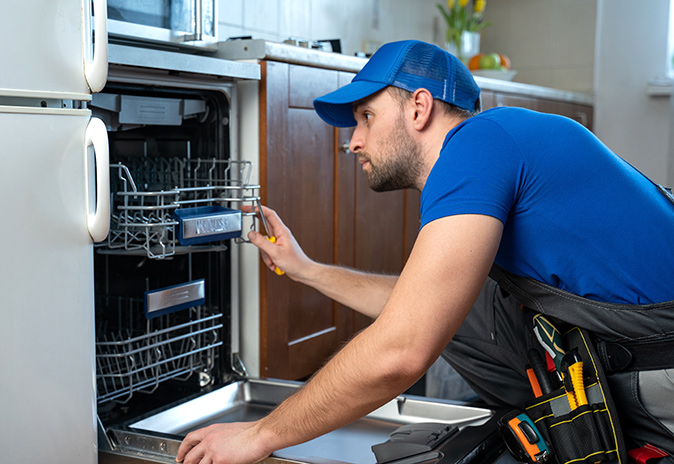
If you've tried all the above steps and your dishwasher still won't drain, you may need to call a professional to service your dishwasher. The problem could be a faulty part, a broken pump, or deeper plumbing issues.
How to Prevent Dishwasher Drainage Issues
Regular maintenance can help keep your dishwasher running smoothly and prevent drainage problems. Here are a few simple habits to follow:
- Clean the filter regularly: A clogged filter is one of the most common reasons for drainage issues. Rinse it under warm water and scrub away buildup every few weeks or so.
- Scrape off food debris: Large food particles can clog the drain. Always scrape extra food off your plates before loading them in the dishwasher.
- Avoid overloading the dishwasher: Overcrowding the dishwasher can block the spray arms and prevent water from draining properly. Make sure the dishes are spaced out so water can flow freely.
- Use the right amount of detergent: Too much detergent can cause excess suds, which may lead to drainage issues. Follow the dishwasher manufacturer’s recommendations for the amount of detergent you should add.
Run hot water before starting a cycle: Letting your sink’s hot water run for a few seconds before starting the dishwasher can help dissolve grease and food particles more effectively.
Want Peace of Mind? Get a Home Warranty
With a home warranty from First American, you can request service 24/7 for a broken dishwasher and other covered home appliances and systems that stop working properly. Our plans give homeowners a budget-friendly repair/replacement solution that helps keep households running smoothly. Learn more about our comprehensive coverage and get a home warranty quote today.
The contents of this article are provided for general guidance only. First American Home Warranty does not assume any responsibility for losses or damages as a result of using this information.
Please be aware that if you disassemble a covered system or item, it can invalidate your home warranty or manufacturer's warranty.

Keep Reading



Home Care Buzz Experts
The First American Home Care Buzz team is made up of experienced home warranty writers and editors. Our team provides valuable insights and information to help homeowners like you meet the daily challenges of homeownership.
This article is about...