
Fall HVAC Maintenance Tips for 2026
SEPTEMBER 16, 2026 | Home Care Buzz Experts | 6 minute read
Blog Summary
Fall is the ideal window to service your HVAC system. Professional tune-ups run $65 to $200 and reduce the risk of a winter breakdown.
Homeowners can safely handle filters, debris, and vent cleaning; refrigerant, gas, electrical work, and internal cleaning should go to a pro.
Has it been a year or more since you’ve given your heating and air conditioning (HVAC) system some attention? If so, now is the time for a tune-up. Fall (and spring) HVAC maintenance can help keep your system ready for the heavy use you’ll expect from it in the months ahead.
Routine maintenance can also save you on a cold winter’s night. When it’s regularly serviced, your HVAC system is less likely to break down unexpectedly, and a sudden system failure often comes with an expensive repair bill.* Early fall, before you rely on your heat regularly, is the ideal service window. In fact, September 25 is National Fall Tune-Up Day, so marking your calendar gives you a helpful yearly reminder to prep your system before the cold sets in.
Planning to do upkeep on your HVAC system in the spring as well? Be sure to use our Spring HVAC Maintenance Checklist.
Your Fall HVAC Maintenance Checklist
Here’s the quick-scan list of HVAC tasks homeowners can do — each task is explained in more detail below:
- Change the air filter: This is the single most impactful DIY task you can do.
- Clear debris around the outdoor condenser unit: Rake the leaves and clear the area.
- Inspect and clean vent covers: Dust and wipe the ceiling, wall, and floor vents.
- Schedule a professional tune-up: Get a diagnostic, coil cleaning, and refrigerant check.
- Give your furnace or heat pump extra attention: Fall is your heating season’s starting line!
- Consider a cover for the outdoor AC unit: A good idea if you don’t use the AC during the winter.
DIY vs. Professional
Before you get started, keep in mind that not every fall HVAC maintenance task belongs in the same category. Some are quick, safe, and save money when done yourself; others involve tools, chemicals, or systems that carry real safety risks. A simple rule of thumb keeps the line clear:
If a task involves electrical components, gas lines, refrigerant, or internal cleaning, leave it to a licensed technician. Everything else is generally safe for a homeowner to handle.
Let’s first start with the steps you can take as a homeowner.
What Homeowners Can Do Themselves
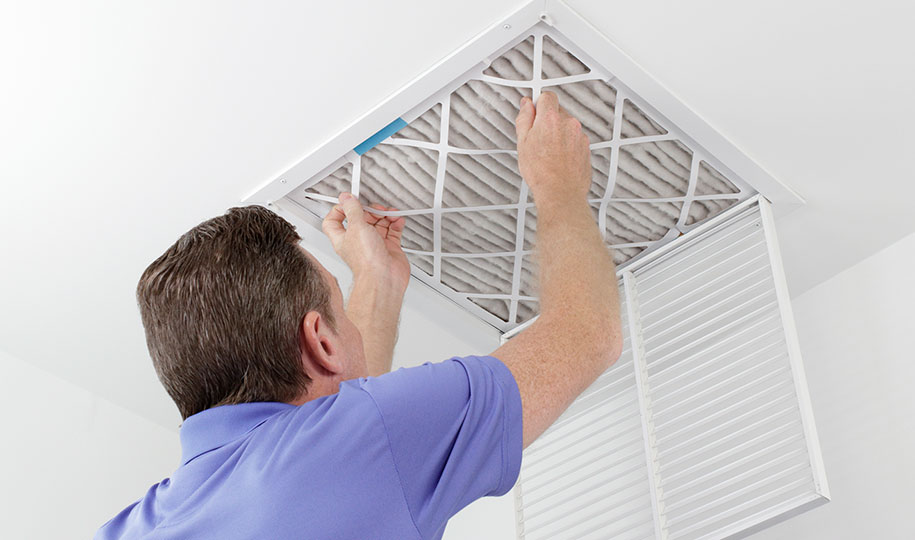
Replace the air filter. A clogged or dirty air filter makes an HVAC system work harder, which can lead to a breakdown and potentially a costly repair. Regularly changing air filters helps keep the air in your home healthier. Filters typically need to be changed every 1 to 3 months.
Never changed the air filter before? Here's a handy guide to changing air filters.
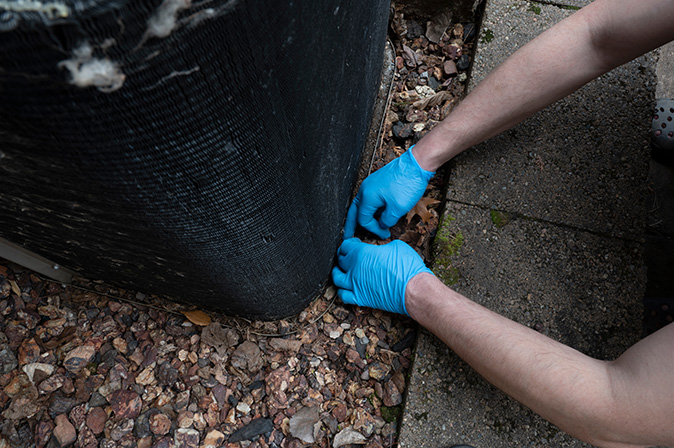
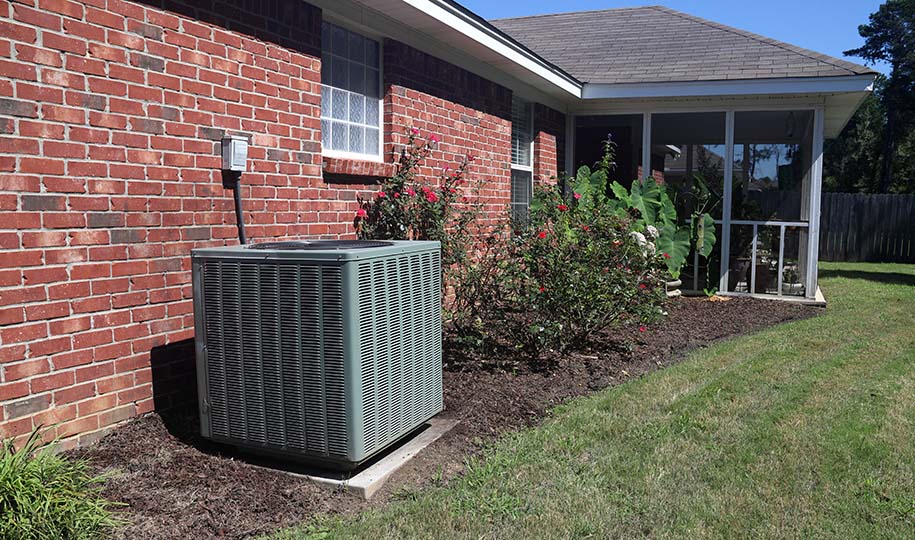
Remove debris around the condenser unit. Regularly rake away leaves and other debris or use a leaf blower to clear the area around and behind the unit. If you won't use the air conditioner in the fall and winter, consider covering your AC unit for winter.
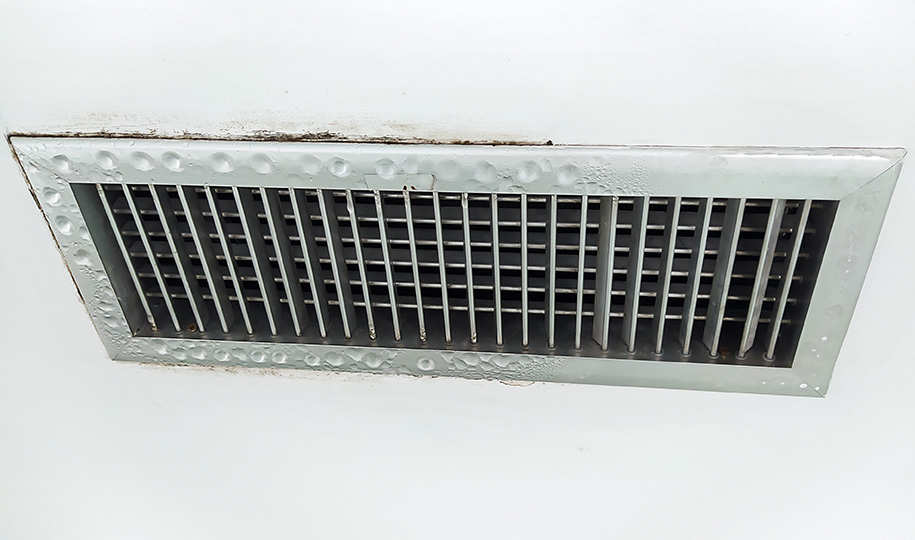
Clean the vent covers. Use your vacuum's brush attachment to get any dust buildup on ceiling vents. It's also a good idea to wash your wall and floor vent covers with a damp cloth a few times a year. If it’s been years since your ducts have been cleaned, here are tips on how to clean air ducts.
Have a ductless system? See our ductless mini-split maintenance guide.
Confirm your thermostat is heating correctly. Switch from cool to heat mode a couple of weeks before you need it, so you can catch any issues while temperatures are still mild.
Maintenance a Service Technician Should Do
The tasks below either carry a safety risk or require specialized tools and knowledge. Attempting them yourself can void your equipment warranty and, in some cases, damage your system.
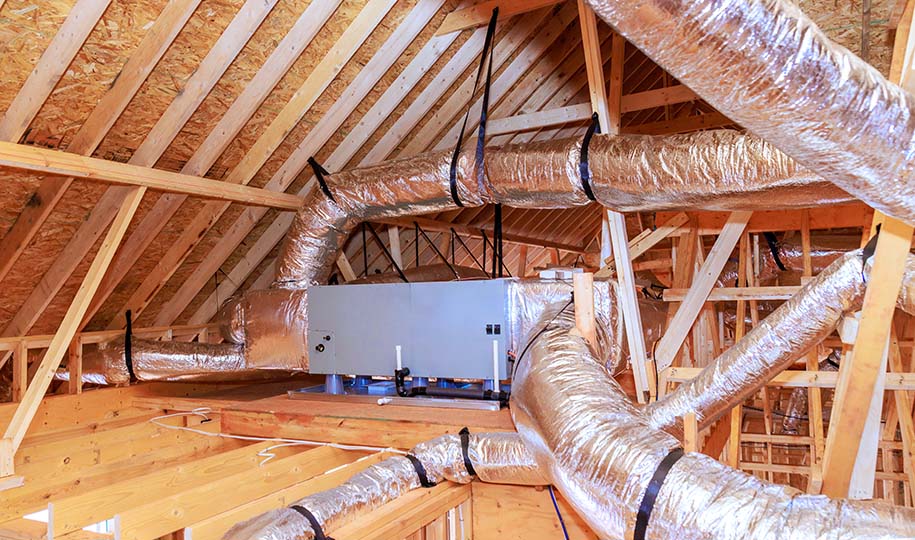
Run a diagnostic test. Typical inspections include inspecting (and cleaning) the blower components, inspecting the blower motor, water pump, thermostat, and heater control valve. Never heard of these components? Brush up on parts of an HVAC system here. It can be helpful when you need to discuss any issues your technician may find during a service visit.
Read more on how an air conditioner works and how an AC tune-up saves you money.
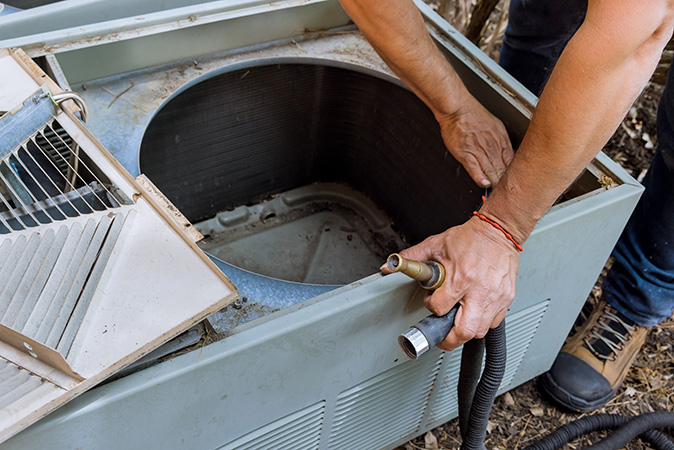
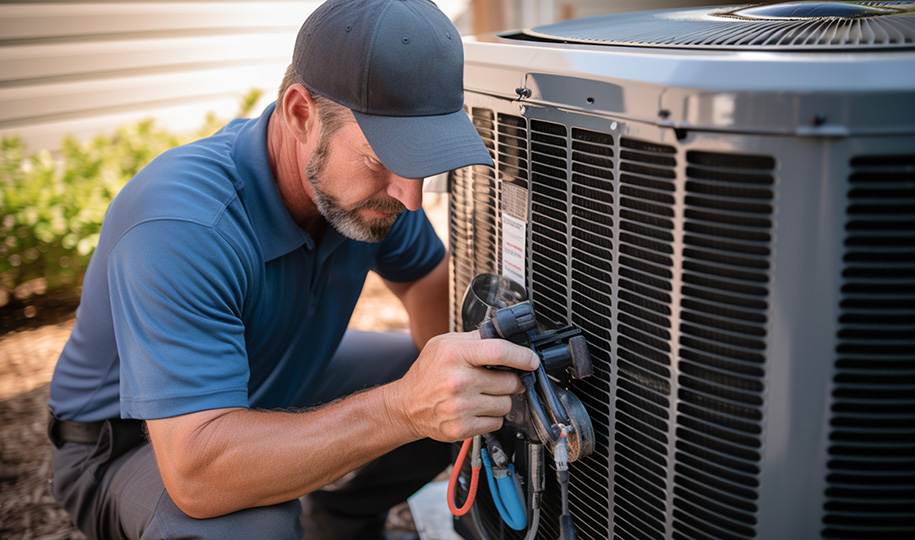
Clean the condenser coils. As part of a service visit, most technicians will clean the evaporator and condenser coils. Cleaning the coils helps air to flow more freely, so the system does not have to work as hard.
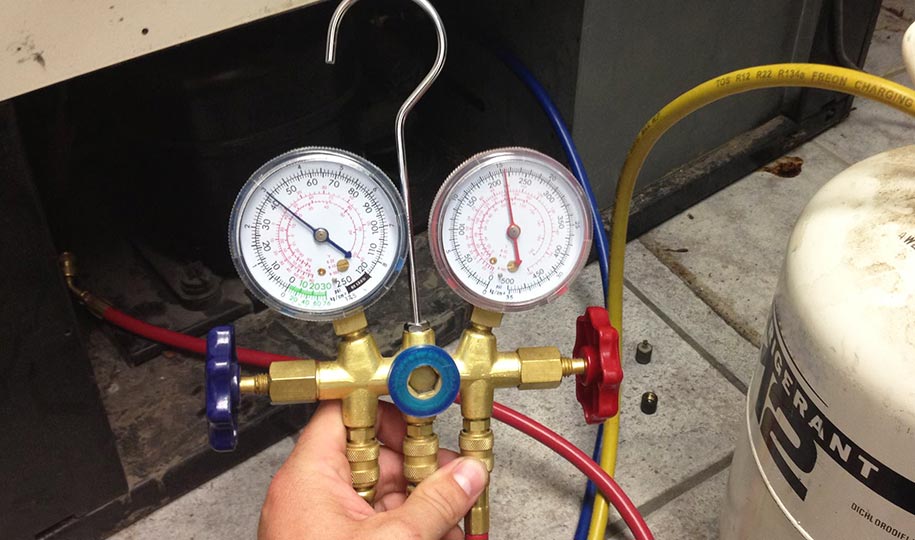
Check refrigerant levels. Most HVAC tune-ups will include a check of the refrigerant level. The technician can either top off the coolant or replace the refrigerant if a leak is detected during the diagnostic test. A proper refrigerant level also helps your system run efficiently.
Gas line and combustion checks. For gas furnaces, a professional inspection of the heat exchanger, gas connections, and combustion is a safety-critical annual task.
Looking for other important tasks to take care of this time of year? Check out our fall home maintenance checklist.
Give Your Furnace Extra Attention This Fall
Because fall is the on-ramp to heating season, fall furnace maintenance deserves specific attention. A furnace that hasn’t run for months can have dust buildup, a stuck igniter, or a worn belt, which are problems that are much cheaper to catch during a tune-up than during the first freeze. A pro visit for a furnace typically includes:
- Cleaning the burner assembly and heat exchanger
- Checking the pilot light or ignition system
- Inspecting the flue for blockages and proper draft
- Testing carbon monoxide levels
- Lubricating moving parts and tightening electrical connections
If your furnace is short-cycling, making unusual noises, struggling to reach the thermostat setting, or is more than 15 years old, don’t wait. Those are early warning signs that should be addressed by a pro.
Concerned about an older system? View our blog on The Life Span of HVAC Systems: How Long Should They Last?
How Much Does Fall HVAC Maintenance Cost
A professional fall HVAC tune-up varies from a standard visit. The exact price depends on a few factors:
- System type: Gas furnaces, heat pumps, and combined HVAC systems each have slightly different tune-up requirements.
- System age and condition: A system that hasn’t been serviced in years may need extra time and attention on the first visit.
- Region and labor rates: Costs are higher in metropolitan areas and lower in most of the Midwest and South.
- Service plan vs. one-off visit: Some HVAC companies offer annual service plans (usually $150 to $500 per year) that bundle spring and fall tune-ups, plus priority scheduling.
Regular HVAC system maintenance also helps to lower your utility bills. Systems that get scheduled maintenance don’t have to work as hard, which means they use less energy, and less energy use can translate to lower bills and a smaller environmental footprint.
Home Warranty Coverage for Your HVAC System
Even with regular maintenance, your heating system may one day stop working. A First American home warranty plan with HVAC coverage can help protect you from unexpected expenses.
When an HVAC problem crops up, or you experience a breakdown with any other covered item, you can simply call us or sign in to your Homeowner Account to request service.
Don’t have a home warranty? It’s easy to get a free quote today.
FAQs About Maintenance for Your HVAC System
When should I schedule fall HVAC maintenance?
Schedule your fall HVAC maintenance in early fall, ideally September or October, before you rely on your heating system regularly. Servicing your system before the first cold snap helps ensure it’s ready for heavy winter use and reduces the risk of a breakdown when you need heat most.
What does fall HVAC maintenance include?
Fall HVAC maintenance typically includes changing the air filter, clearing debris from around the outdoor unit, cleaning vent covers, and scheduling a professional tune-up. A pro tune-up covers a diagnostic test, cleaning the condenser coils, checking refrigerant levels, inspecting the blower motor and thermostat, and identifying any minor issues before they lead to expensive repairs.
How often should an HVAC system be serviced?
Most HVAC professionals recommend a professional tune-up twice per year: once in the fall before heating season and once in the spring before cooling season. At a minimum, an annual tune-up helps keep the system running efficiently and can catch small problems before they become costly repairs.
Can I do fall HVAC maintenance myself?
Homeowners can safely handle several fall HVAC tasks: changing the air filter, clearing leaves and debris from around the outdoor condenser unit, cleaning vent covers, and covering the AC unit if you won’t use it over winter. Tasks involving electrical components, gas lines, refrigerant, or internal cleaning should be left to a licensed HVAC technician for safety and to protect your equipment warranty.
Does a home warranty cover HVAC systems?
Yes. A First American home warranty plan with HVAC coverage can help cover the cost of repairing or replacing a covered heating or cooling system when it fails due to normal wear and use. When a problem arises, call us or submit a service request online 24/7.
*Cost data is from research and project costs reported by HomeGuide members. Items listed may be optional or not available on some home warranty plans; please review the sample contract for specific coverage, terms and limitations.
The contents of this article are provided for general guidance only. First American Home Warranty does not assume any responsibility for losses or damages as a result of using this information.
Please be aware that if you disassemble a covered system or item, it can invalidate your home warranty or manufacturer's warranty.




Keep Reading




Home Care Buzz Experts
The First American Home Care Buzz team is made up of experienced home warranty writers and editors. Our team provides valuable insights and information to help homeowners like you meet the daily challenges of homeownership.
This article is about...