
How to Get Rid of Weeds in Your Yard: 9 Expert Methods That Actually Work
JULY 29, 2025 | Home Care Buzz Experts | 6 minute read
Professional weed control services can cost homeowners a few hundred dollars per season, but you don't need to hire expensive contractors to achieve a pristine-looking yard. With the right approach and proven DIY methods, you can eliminate weeds naturally while saving money and taking pride in your outdoor space. Whether you're dealing with dandelions in your lawn or invasive plants in your garden beds, these nine expert strategies will show you how to get rid of weeds in your yard and garden effectively and sustainably.
1. Apply Mulch Like a Professional
Mulching is the most effective weed-prevention method in garden beds and around trees. A proper 3- to 4-inch layer of organic mulch blocks sunlight from reaching weed seeds, preventing germination while retaining soil moisture and regulating temperature.
Choose the right mulch for your needs: shredded hardwood bark for ornamental beds, straw for vegetable gardens, or grass clippings for budget-friendly coverage. Start by applying a layer of cardboard or landscape fabric to the area in your yard or garden you want to cover with mulch. Next, gently add the mulch on top for maximum weed suppression. This creates an impenetrable barrier that even persistent weeds will struggle to pierce.
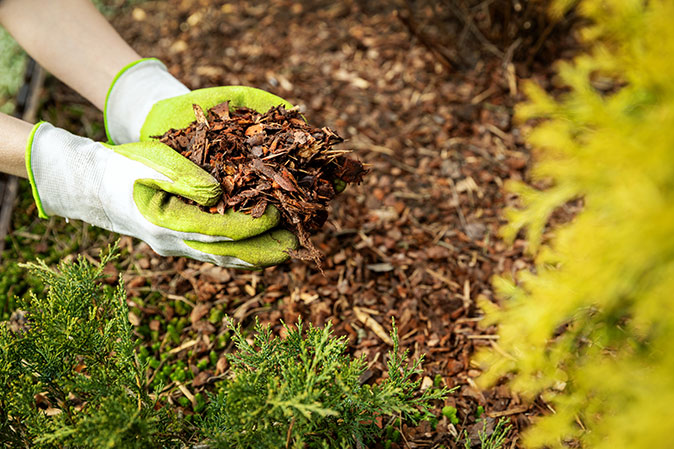
Apply mulch in late spring after the soil has warmed up, keeping it two to three inches away from plant stems to prevent moisture problems. Quality mulching serves as natural weed control and reduces watering needs by up to 50%.
2. Create Dense, Healthy Plantings
The best defense against weeds is a thick, vigorous lawn and densely planted garden beds. Healthy grass naturally crowds out weeds, while closely spaced plants in garden areas leave no room for unwanted growth.
For your lawn, overseed bare spots immediately and maintain proper fertilization to encourage thick growth. When planning garden layouts, plant annuals at the closer end of their spacing recommendations. For example, if spacing calls for 8 to 12 inches apart, choose 8 inches to create fuller coverage faster.
Consider groundcovers for areas where grass struggles to grow. Proven gardening tips can help you establish dense plantings that naturally suppress weeds throughout the growing season. Native plants adapted to your climate will establish more quickly and outcompete weeds, with less maintenance.
3. Master Soil Health and pH Management
Weeds thrive in poor, compacted soil where desirable plants struggle to establish. Improving soil conditions gives your lawn and garden plants the advantage they need to crowd out weeds naturally.
Test your soil pH annually, as most weeds prefer acidic conditions while desired plants often need neutral to slightly alkaline soil. To test the pH, insert a digital soil pH meter 4 inches deep in moist soil, or collect soil samples from multiple areas, mix them, and use an inexpensive test kit from your local garden center.
Adding lime to your soil to raise its pH or sulfur to lower it can dramatically shift the balance in favor of your plants. Apply lime in fall by spreading 50 pounds per 1,000 square feet for clay soil or 25 pounds for sandy soil, then water thoroughly to help it penetrate.
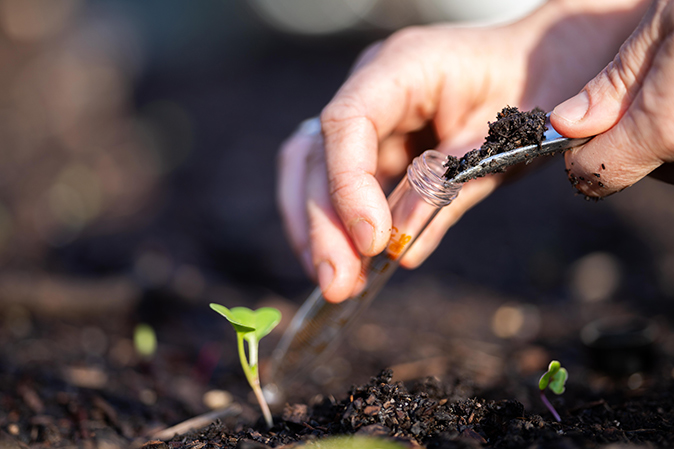
Address soil compaction by periodically aerating your lawn (creating small holes in the soil to better absorb water and nutrients) or by adding compost to garden beds. Compacted soil prevents proper root development and water infiltration, creating conditions where weeds often outperform desired plants. Effective lawn care tips include specific techniques for improving soil structure and eliminating conditions that favor weed growth.
4. Use Homemade Natural Weed Killers
Create an effective homemade weed killer using common household ingredients. The most popular natural weed killer combines white vinegar (20% acetic acid works best), dish soap, and salt for spot-treating individual weeds.
Mix one gallon of vinegar with one cup of salt and one tablespoon of liquid dish soap. Apply directly to weeds on sunny days for maximum effectiveness. This solution works best on young, tender weeds and may require multiple applications for established perennials.
What kills weeds naturally without harming nearby plants? Boiling water also works excellently for weeds growing in driveways, walkways, and other hardscaped areas where you want complete vegetation elimination.
5. Perfect Your Watering Strategy
Strategic watering strengthens your plants while discouraging weed growth. Deep, infrequent watering encourages deep root development in desired plants while preventing shallow-rooted weeds from establishing.
Water lawns 1 to 2 times per week, ideally in the early morning to reduce evaporation. Use a rain gauge or an empty tuna can to measure how much water your lawn is getting. Around 1 to 1.5 inches should do it. These Summer water conservation tips provide detailed guidance on efficient watering that promotes healthy growth while minimizing weed problems.
For garden beds, drip irrigation delivers water directly to plant roots while keeping the soil surface drier, which discourages weed seed germination. Group plants with similar water needs together to avoid overwatering areas where drought-tolerant plants could be stressed by excess moisture.
6. Hand-Pull Weeds at Optimal Times
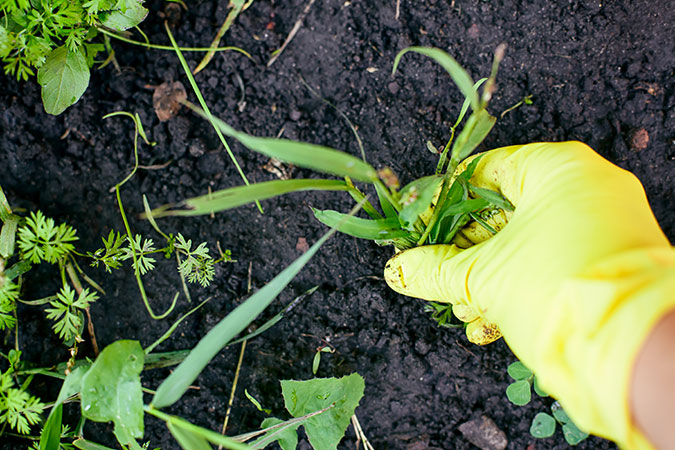
Timing makes hand-pulling significantly more effective and less labor-intensive. Pull weeds within 24 to 48 hours after rain or thorough watering when the soil is moist and roots release easily.
Use a dandelion weeder or similar long-handled tool to remove the entire root system, especially for perennial weeds like dandelions, plantain, and clover. Annual weeds can be surface-pulled if caught before they set seed, but perennials require complete root removal to prevent regrowth.
Focus on pulling weeds before they flower and set seed. One dandelion plant can produce up to 15,000 seeds, so preventing reproduction is crucial. Container gardening offers an alternative for areas where weeds are particularly problematic, giving you complete control over growing conditions.
7. Apply Pre-Emergent Treatments Naturally
Prevent annual weeds before they start with organic pre-emergent treatments applied at the right time. Corn gluten meal is the most effective natural option, containing compounds that prevent seed germination without harming established plants.
Apply corn gluten meal in early spring when soil temperature reaches 50 to 55°F, typically 2 to 3 weeks before the last expected frost. Use 20 pounds per 1,000 square feet for lawns, working it into the top inch of soil and watering thoroughly afterward.
Timing is critical with pre-emergent treatments, as they prevent all seeds from germinating, including grass and flower seeds you want to grow. Starting a garden from seeds requires careful coordination with pre-emergent applications to avoid interfering with desired plantings.
8. Practice Strategic Digging and Cultivation
Minimize soil disturbance to avoid bringing dormant weed seeds to the surface where they can germinate. When you must dig or till, do it strategically to reduce future weed pressure.
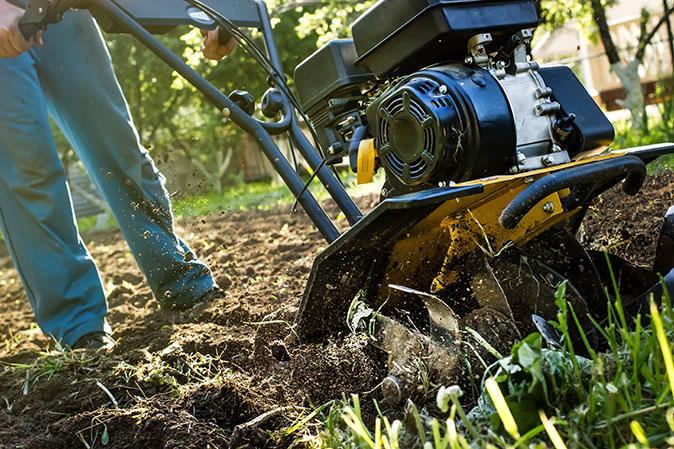
When cultivating large areas, till the soil 2 to 3 weeks before planting to allow weed seeds to germinate. Then remove the emerging weeds before planting your desired crops. This "stale seedbed" technique significantly reduces weed pressure throughout the growing season.
After any digging, immediately cover exposed soil with mulch or start planting desired vegetation to prevent weed establishment. When planning your garden, be sure to allot time for soil preparation to minimize weed problems before establishing healthy gardens.
9. Maintain Proper Lawn Density and Health
A thick, healthy lawn is your best defense against weeds. Bare spots and thin areas invite weed invasion, so maintaining consistent grass coverage is essential for long-term weed control.
Overseed thin areas each fall using grass varieties suited to your climate and growing conditions. Choose appropriate grass types for sun or shade conditions, and ensure proper soil preparation before seeding. Dense turf naturally crowds out most weeds and creates an inhospitable environment for weed seed germination.
Regular fertilization, proper mowing height (never remove more than one-third of the grass blade length), and addressing drainage issues contribute to lawn density. Curb appeal improvements often start with establishing a thick, weed-free lawn that enhances your home's overall appearance and value.
Protect Your Home Inside and Out
A beautiful, weed-free yard requires consistent effort and the use of the proper techniques. While the work is deeply rewarding, it also enhances your home's value and peace of mind as you enjoy the outdoor spaces you’ve created. Investing time and energy in natural weed control methods and beautifying your yard is also essential maintenance.
Even the best maintenance, however, may not thwart every weed from popping up, nor can it prevent every appliance or system inside your home from eventually breaking down. When that happens, having a home warranty can help. A First American home warranty helps cover the repair or replacement of appliances like your dishwasher and systems like your plumbing when they stop working due to normal wear and tear. Our comprehensive coverage helps give you the same peace of mind indoors that a well-tended garden provides outdoors.
Get a free quote today to find the right plan for your home.
The contents of this article are provided for general guidance only. First American Home Warranty does not assume any responsibility for losses or damages as a result of using this information.



Keep Reading



Home Care Buzz Experts
The First American Home Care Buzz team is made up of experienced home warranty writers and editors. Our team provides valuable insights and information to help homeowners like you meet the daily challenges of homeownership.
This article is about...