
Guide to Care, Cleaning, and Maintenance of Grout
AUGUST 13, 2020 | Home Care Buzz Experts | 3 minute read
Let’s face it, grout can be tough to clean. The problem is that grout maintenance takes time and effort. And many homeowners don’t know how to properly care for grout around kitchen, bathroom, and living room tiles, leading to problems down the road. Sealing the grout is the most important thing you can do to keep it sanitary and prevent it from eroding. With proper grout maintenance, care, and cleaning, grout will last for years to come.
Deep Cleaning Grout
Here are four different methods for cleaning grout. When cleaning it, be mindful of the grout color and spot-test an area first. Wait overnight for the grout to dry completely before applying sealant.
Method #1
Mix together ½ cup of baking soda, ¼ cup of hydrogen peroxide, and 1 teaspoon of dish soap. Apply the mixture to the grout and wait 5 to 10 minutes. Scrub the grout with a toothbrush, then wipe clean with warm water.
Results
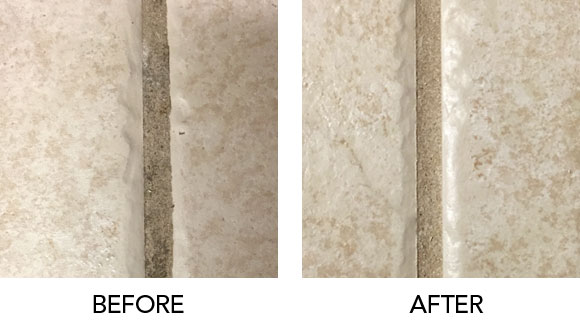
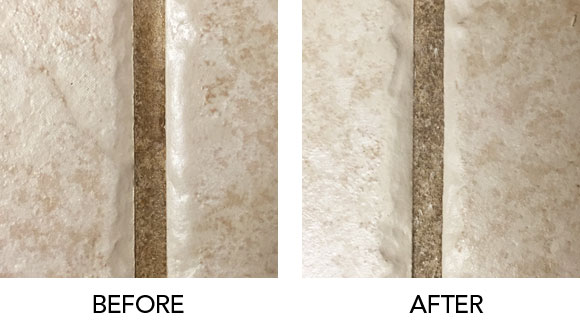
Method #2
Sprinkle baking soda over the grout. Add hydrogen peroxide to a spray bottle and spray over the baking soda until wet and bubbly; wait 5 to 10 minutes. Scrub the grout with a toothbrush, then wipe clean with warm water.
Results
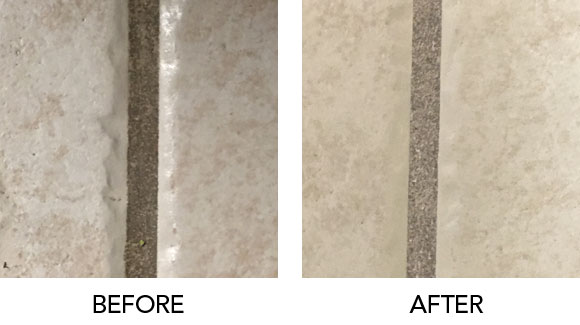
Method #3
Mix equal parts baking soda and white vinegar into a paste. Spread the grout over the surface and wait 5 to 10 minutes. Scrub the grout with a toothbrush, then rinse with warm water.
Results
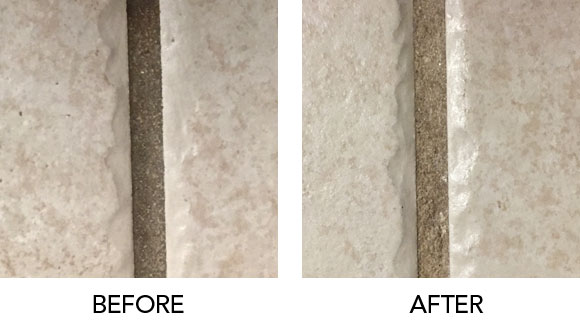
Method #4
Sprinkle Bon Ami (or Comet) over grout. Spray a mixture of equal parts white vinegar and water onto Bon Ami, then wait 5 to 10 minutes. Scrub grout with a toothbrush, cleaning brush regularly with water. Rinse grout thoroughly with warm water.
Results
After you’ve cleaned the grout with the method that works best for your home, you’ll need to reseal it. (Note: epoxy grouts don’t need to be sealed.) Choosing the right sealant depends on the job. For instance, surface sealants or coatings are not sufficient sealers in a bathroom. They need silicone, not water-based products. Your selection depends on several factors, including the type of grout, location, your intended use, application method, and budget.
Why Seal Grout?
Regular cleaning for good grout maintenance isn’t usually enough to prevent mold and bacterial buildup. Because grout is porous, it traps dirt and is a breeding ground for bacteria, mold, and fungus, so sealing it is a must. Properly applying a grout sealant protects the grout and helps keep you and your family healthy. Apply grout sealant based on traffic or usage patterns. The tile floor in a living room may get a lot of traffic, but little moisture, whereas bathroom tile gets a lot of use and moisture, especially tile showers or tubs. Reseal grout once per year for these “hotspot” areas, and also after you have deep-cleaned your tile and grout. Low-traffic or low-use areas need resealing every 4 to 5 years to remain effective.
Different Types of Sealers
There are many types of sealant products, and each offers different benefits depending on your objective for grout maintenance. Regardless of product type, sealants fall under one of three categories:
-
- Coatings
- Color Sealers
- Penetrating Sealers
Coatings are a thin layer on the grout surface, so no oil, water, or dirt can penetrate the grout pores. There are two coatings available: permanent and strippable.
Permanent coatings are difficult to remove. They are made of epoxies, polyurethanes, and such. Because they are so difficult to remove, this type of product is not always recommended.
Strippable coatings are easier to remove from the grout’s surface. These are made of styrene, acrylics, polyethylene, and other polymers. Most are water-based, making removal easier to do. Check the label for acrylic, high speed, metal cross-link, and so on.
Color sealers bond to your grout, filling pores while preserving the look and texture of your original grout. Color sealers will also allow you to change your grout from dark to light, or even light to dark.
Penetrating sealers are designed to penetrate the grout surface and deposit particles that protect it, preventing water and dirt from penetrating. These sealers typically contain silane, siloxane, silicone, or other silicon derivatives.
Grout Sealer Options
Three Categories
Coatings
These types of sealers lie on top of the grout and prevent dirt, oil, and water from entering
Color Sealers
This type of sealer seals the grout and also colors it
Penetrating Sealers
These sealers penetrate the grout and coat the minerals below the surface
Coatings are classified into two groups
Strippable can be easily removed
Permanent is very difficult to remove
Penetrating Sealers are classified into two groups
Hydrophobic repels water and water-based chemicals only
Oleophobic repels water and oil-based liquids
Depending on traffic patterns in your home and the general condition of your home, keeping up with grout maintenance can help your tiling and flooring sparkle for many years.
Home Cleaning and Maintenance Resources
- Home Maintenance Top Tips
- Spring Cleaning Checklist
- Homeownership is Easier with a Home Maintenance Checklist
The contents of this article are provided for general guidance only. First American Home Warranty does not assume any responsibility for losses or damages as a result of using this information.



Keep Reading









Home Care Buzz Experts
The First American Home Care Buzz team is made up of experienced home warranty writers and editors. Our team provides valuable insights and information to help homeowners like you meet the daily challenges of homeownership.
This article is about...