
The Homebuyer's Complete Guide to a Real Estate Closing
MAY 24, 2024 | Home Care Buzz Experts | 6 minute read
Congratulations, you've made it almost through the homebuying process! All that's left is setting your closing date and finalizing the sale. But what does that mean, exactly?
Closing is the final step in a real estate process — when all your paperwork is officially compiled, and all parties sign documents for the home sale. The home closing process generally occurs 30 to 45 days from the beginning of a sale agreement and lasts until the closing date, but the timeline can vary based on several factors we'll discuss later. Quite a few steps during this time can complicate things or extend the timeline, so it's important to know what to expect during the closing process.
What Happens Before Closing?
Before we get into the home closing process, there are a few phases that come first:
Seek Loan Preapproval
Many buyers start by getting preapproved for a mortgage loan. This gives you an idea of your budget and shows sellers you're a serious buyer. Preapproval involves submitting financial documents to a lender, evaluating your creditworthiness, and offering a loan amount and repayment terms. Note that this is a different process than prequalification, which is simply a lender's estimate of how much house you can afford.
Make an Offer
Once you select a home you want to buy, it's time to make an offer. If you're working with an agent, they'll help you determine a competitive price, considering the current market. If the seller accepts, you'll move forward toward the closing process.
Schedule a Home Inspection
A professional home inspection is crucial for uncovering any damage or other problems with the home’s structure or mechanical systems that could cause problems later. Depending on the findings, you might negotiate repairs or credits with the seller before finalizing the sale.
Get an Appraisal
Your lender will require an appraisal to make sure the property's value matches the purchase price. If the appraisal comes in lower than expected, it might affect your loan amount, and you may need to renegotiate the price with the seller.
Finalize Financing
Once you've completed the previous steps, it's time to finalize financing with your lender. They can help you choose the right type of loan and secure your interest rate. This is when the closing process truly begins.
Steps to Close on a Home
Step 1: Title Search and Title Insurance
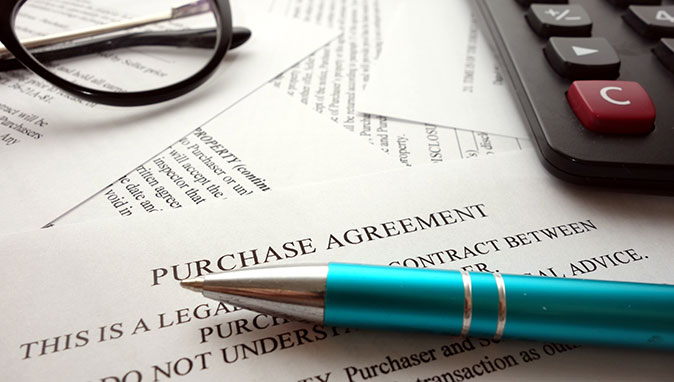
The first step in a real estate closing is getting a title search and title insurance. A title company searches records to find – and remedy, if possible –ownership issues and any liens on the property. Some risks are difficult to identify, such as title problems due to filing errors, forgeries, or undisclosed heirs. So, after the title company finishes its search, it will provide a title insurance policy that will help protect you should problems crop up later.
Step 2: Homeowners Insurance
When you finalize your loan paperwork, you'll be required to provide proof of homeowners insurance. Many lenders require a certain amount or specific type of coverage, which a closing specialist will verify.
Step 3: Final Walkthrough
You'll want to complete a final walkthrough of the property, ideally a few days before closing. This is your chance to ensure all agreed-upon repairs are completed and the house is in the expected condition. It’s helpful to have a checklist to make sure all your questions or concerns are noted so they can be taken care of before the sale is finalized.
Related: Mortgage mistakes to avoid
Step 4: Closing Documents
When you're learning how to close on a house, there are a lot of documents to understand. The home closing process involves compiling and reviewing several records to ensure the legal transfer of the property from the seller to the buyer. Here are some standard documents you'll need to gather or go over for your closing:
- Loan estimate and closing disclosure: Your lender is required to provide you with a Loan Estimate shortly after you apply for a mortgage and a Closing Disclosure at least three business days before closing. The closing disclosure will detail all charges and credits involved in the process. These documents outline your loan terms, monthly payments, and closing costs.
- Proof of homeowners insurance: You must obtain homeowners insurance before closing, proving you have coverage effective from your closing date. This document protects your (and the lender's) investment in the property.
- Mortgage note: This legal document outlines the terms of your loan, including the interest rate, loan duration, and the rights and responsibilities of both parties. Signing it means you agree to repay the loan under the stated terms.
- Mortgage or deed of trust: This document secures the mortgage note and provides the lender with a security interest in the property. It also outlines what happens if you fail to make mortgage payments.
- Title documents: These include the title insurance policy, which ensures the property title is free of liens or legal claims, and the Certificate of Title, proving the seller has a legal right to sell the property.
- Bill of sale: This includes a list of any personal property — such as appliances, fixtures, or furniture — that will remain in the house and are included in the purchase.
- Closing statement: An itemized list of all the costs associated with the transaction, paid by either the buyer or seller.
- Government-issued ID: A driver's license or passport is needed to verify your identity at closing.
You'll work closely with your real estate agent, loan officer, and title company to assemble these documents. Your lender will provide the loan-related documents, while the title company will handle the title-related documents. It's crucial to review these documents carefully before closing and ask questions if anything is unclear. Your real estate agent or loan officer can guide you through the process and help ensure you have all the necessary documentation ready for your real estate closing day.
Before the closing meeting, review all your closing documents carefully. These include the Closing Disclosure (outlining your loan terms, monthly payments, and closing costs) and the deed. Ask questions if anything needs to be clarified and double-check the numbers.
Step 5: Closing Meeting
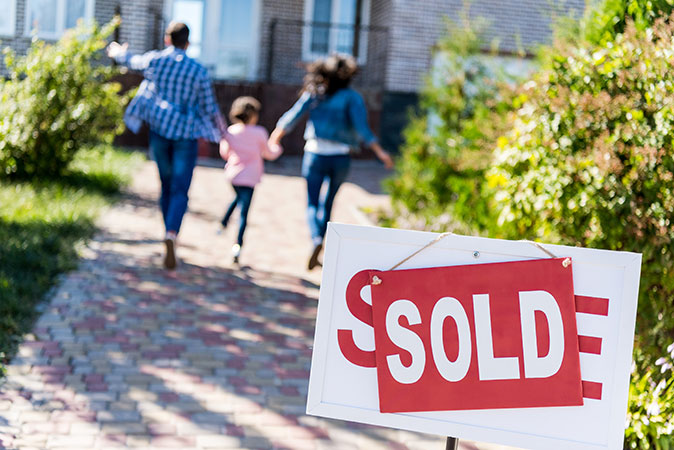
The final step is the closing meeting, where you'll sign all the necessary paperwork to complete the purchase. You'll need a government-issued ID and pay your down payment and closing costs. Once all documents are signed and funds are exchanged, you'll receive the keys to your new home.
Remember, every homebuying journey is unique, and flexibility is key. Stay in close communication with your real estate agent and lender to navigate any unexpected challenges. Before you know it, you'll be stepping through the door of your new home. Here are a few things you can expect to happen at your closing meeting:
- Document Signing: The bulk of closing day involves signing various legal documents. These include the mortgage note outlining your obligation to repay the loan and the mortgage or deed of trust that secures the note. You’ll also sign the closing disclosure that details your loan terms, monthly payments, and closing costs.
- Payment of closing costs and escrow items: You'll need to pay any remaining closing costs not covered by your loan. These costs may include appraisal fees, title insurance, attorney fees, and upfront payments for property taxes and homeowners insurance. Payments are usually made via cashier’s check or wire transfer.
- Legal transfer of property: Once all documents are signed and payments are made, the legal transfer of property from the seller to you, the buyer, is complete. The title company records this transfer with the local government, making you the official owner of the home.
- Receiving the keys: After all the paperwork is finalized and recorded, it's time for the final step in the home closing process. You’ll receive the keys to your new home, and any other necessary items like garage door openers or security codes.
Closing day is both exciting and demanding, full of a significant amount of paperwork and legal procedures. However, with the proper preparation and a clear understanding of the process, it marks the joyous moment when you become a homeowner.
Related: Tips for new homeowners
What Happens Next?
After you close on a house, it's time to make sure your new home experience starts off on the right foot. It's a great idea to get home warranty protection for your new home — and with coverage from First American, you'll be protected from unexpected repair and replacement costs when your systems and appliances wear down. Get a home warranty quote for buyers today to get started.
FAQs About the House Closing Process for Buyers
How fast can you close on a house?
The average house closing timeline is 30 to 45 days, but paying with cash can result in a much faster closing if you’re aiming for a quick sale. Sometimes, as quickly as a few days!
What affects the time it takes to close on a house?
The timeline can vary based on factors like inspection findings, potential repairs, and financing.
The contents of this article are provided for general guidance only. First American Home Warranty does not assume any responsibility for losses or damages as a result of using this information.

Keep Reading









Home Care Buzz Experts
The First American Home Care Buzz team is made up of experienced home warranty writers and editors. Our team provides valuable insights and information to help homeowners like you meet the daily challenges of homeownership.
This article is about...