
Room-by-Room Declutter Checklist - Simplify Your Whole Home
APRIL 25, 2024 | Home Care Buzz Experts | 8 minute read
If you're searching for home decluttering tips, odds are you're feeling a little overwhelmed by the tasks ahead of you. Do you have a teetering stack of old books in the den or a garage full of old toys and tools? Maybe it's a closet stuffed full of clothes from decades ago – but no matter the clutter, we'll take you through our room-by-room declutter checklist to tackle it all. You've got this — now let's get started!
Check out our blog if you're decluttering to get ready for a home sale. You'll find tips and advice for selling your home.
Decluttering Strategies
There are several popular decluttering methods available, but how do you decide which one's best for you? We'll go over a few top strategies and how they work so you can set up a game plan before starting to work through your home declutter checklist.
The 20-10 Method
The 20-10 method involves cleaning or organizing for 20 minutes, followed by a 10-minute break. Set a timer for 20 minutes, and during that time, keep cleaning. Switching between larger and smaller cleaning tasks is okay as long as you continue working. During the 10-minute breaks, you can do whatever you want. You may be surprised to find that you don't want to stop cleaning when your timer goes off.
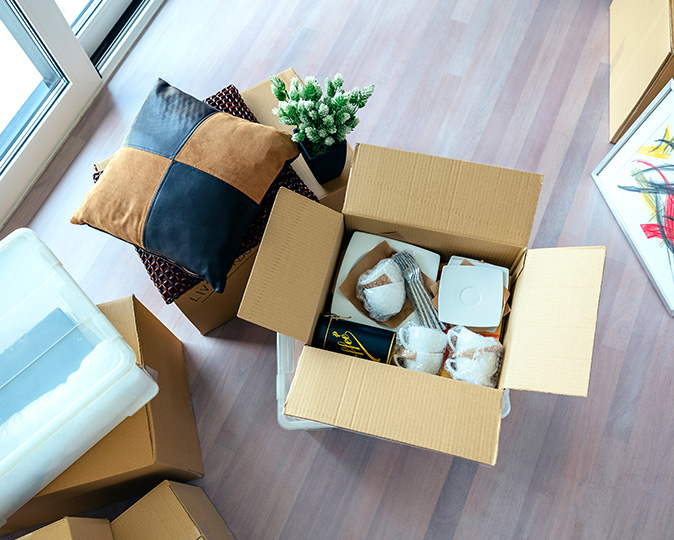
30-Day Game
In the 30-day decluttering method, you'll spend a month getting rid of clutter. Here's how it works: Start on Day 1 by getting rid of or donating one item. Then, each day for the rest of the month, add one to the number of items you discard. On Day 2, you'll get rid of two items. On Day 3, you'll discard three items, and so on.
This method may become a bit challenging towards the end, but it's a fun way to declutter and keep yourself accountable. And if done accurately, at the end of 30 days, you'll have removed 465 items from your home.
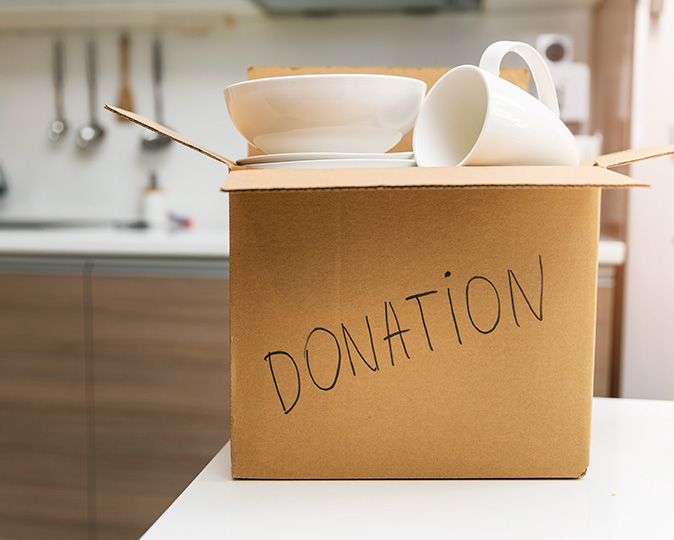
Four-Basket Method
The four-basket method for decluttering is self-explanatory: you organize your items using four baskets or boxes labeled “Put Away,” “Throw Away,” “Put in Storage,” and “Sell/Donate.” Organize everything into one of these four baskets as you declutter room by room. When the boxes are full, throw away the trash, put applicable items away or in storage, and prepare to sell/donate items to be dropped off. Taking a break to empty the boxes when they are full is key — otherwise, you'll simply be moving your clutter around.

Reverse Hanger Method
When decluttering your closet, reverse the direction of all your clothing on hangers so that the open part of each hanger loop on top (the hook that goes on the hanger bar) is facing you. As you wear each item, rehang it back on the hanger bar the correct way (facing away from you).
Over time, you'll notice all the items of clothing you haven't worn. This is a smart way to curate a closet of items that you do wear because you can't trick yourself into believing you've worn something recently and, therefore, should keep it.
Declutter By Room Checklists
Decluttering your whole home in one go is a big chore — even if you're using some of the methods described above. And what if you unearth a problem with your home's systems or appliances while you're decluttering? Luckily, with First American home warranty coverage, you have peace of mind that you're covered from unexpected breakdowns. So you can focus on getting back to basics. If you're ready, let's start our room-by-room decluttering checklist.
Declutter Kitchen Checklist
The kitchen may be the most daunting space to declutter in your home. There are so many drawers, doors, and items to go through. And while you may not use some of them often — like serving dishes, pitchers, and holiday-specific wares, you need them when the time comes.
Start by clearing and wiping down all your counters so you have a clean space for your decluttering. Then, get started on the following items:
- Expired food: Go through your fridge, freezer, and pantry. Toss anything that's expired.
- Duplicate utensils: Keep only the utensils you use regularly. Donate or recycle duplicates.
- Mismatched containers: Recycle any containers and lids that don't match.
- Unused appliances: If you haven't used an appliance in the past year, consider selling or donating it.
- Old spices: Discard any expired spices and those that are over a year old. (They've likely lost their flavor.)
- Rarely used gadgets: Kitchen gadgets you rarely use can take up valuable space. Donate them unless you really need them.
- Junk drawer: Sort through your junk drawer if you have one. Organize what you need and dispose of the rest (like old sauce packets, plastic silverware, and take-out menus).
- Cookbooks: Keep only the cookbooks you use or digitize recipes to save space.
- Plastic bags: Recycle an overload of plastic grocery bags and invest in reusable ones.
- Dish towels: Replace old, worn dish towels with new ones. You can toss the old ones or use them for cleaning.
- Table linens: Keep only the tablecloths and napkins you use and love. Store holiday linens with holiday decor to save kitchen space.
- Pots and pans: Keep sets that you use frequently and are in good condition.
- Mismatched dinnerware: Donate or recycle any pieces you don't use or that don't belong to a set.
- Cleaning supplies: Discard any old or unused cleaning products. Keep only what you use regularly.
- Under sink area: Organize and clear out this area, discarding anything you no longer need or use.
Declutter Bathroom Checklist
A tidy bathroom will make your space feel more relaxing and useable — plus, if you use tools like flat irons or curling irons, an uncluttered space can help keep you safe from accidents. Here's how to declutter your bathroom:
- Expired products: Start by discarding any expired medications, along with old skincare and makeup products. These can harbor unwanted bacteria.
- Unused items: If you haven't used a product in the last six months, it's probably time to toss it.
- Old towels and washcloths: Donate or repurpose old towels and washcloths that have seen better days.
- Excess cleaning supplies: Keep only the cleaning products you use regularly. Dispose of the rest safely.
- Worn-out bathmats: Replace any bathmats that are worn out or no longer match your decor.
- Cluttered countertops: Remove anything that doesn't need to be on the countertop. Use organizers for essentials.
- Shower and bathtub: Clear out any empty bottles and rarely used items from the shower or bathtub area.
- Hair accessories and tools: Keep only the hair accessories and styling tools you use regularly.
- Sample and travel-sized products: Travel products can be nice to have for guests, but only keep a few. If you've accumulated more than three or four small products, get rid of the excess.
- Storage areas: Go through your cabinets and drawers. Organize the contents and discard or put away any items that don't belong in the bathroom.
Related: How to Clean and Maintain a Dishwasher, How to Clean a Refrigerator
Bedroom Declutter List
Your bedroom should be a place to rest and relax free from clutter and mess. Get started with these tasks to clean up your space:
- Clothes you no longer wear: Donate or sell clothing that no longer fits or hasn't been worn in the last year. (Use the reverse hanger method described above to determine which pieces to keep and which to discard.)
- Excess shoes: Keep only the pairs you wear regularly. Donate the rest to free up space.
- Unused bed linens: Keep two sets of bed linens per bed and donate any extras.
- Outdated electronics: Recycle old phones, chargers, and gadgets that clutter your drawers.
- Books you won't re-read: Donate or swap books you've finished and won't read again.
- Jewelry and accessories: Sort your collection and keep only what you love and wear.
- Nightstand clutter: Clear off anything that doesn't contribute to your relaxation or bedtime routine.
- Under-the-bed clutter: Remove items stored under the bed that you no longer need or use.
- Overstuffed dressers: Organize and declutter your dresser drawers. Fold clothes neatly to save space.
- Decorative items: Simplify your decor. Keep only the items that bring you joy and contribute to a peaceful atmosphere.
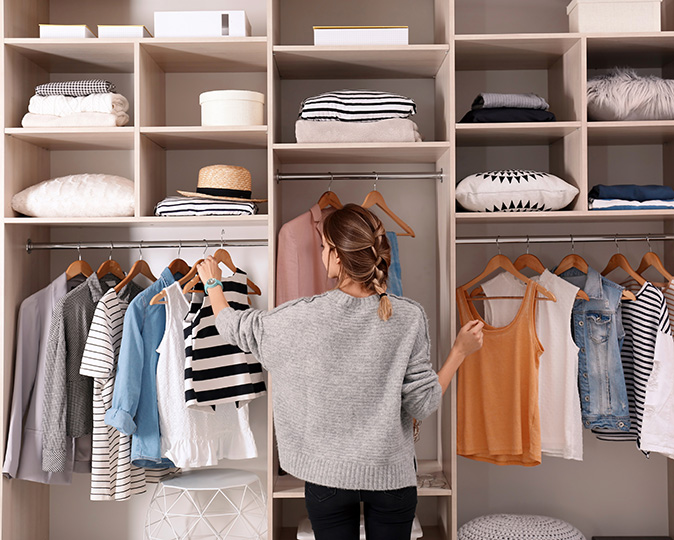
Living Room/Office Declutter Checklist
Tidying up your living room and office can transform them into more enjoyable and productive areas. Here's a checklist that works for both:
- Old magazines and newspapers: Recycle outdated magazines, newspapers, and catalogs.
- Unused cords and chargers: Gather cords and chargers that don't belong to your current devices and recycle or donate them.
- Books you won't read again: Donate to a local library or school any books you've already read and aren't worth keeping.
- DVDs and CDs: If you've moved on to digital media, consider donating your physical media to someone who'll enjoy it.
- Unused decor items: Simplify your space by removing decorations that no longer fit your style or serve a purpose.
- Old electronics: Recycle or sell old electronics that are no longer used, such as outdated laptops or game consoles.
- Office supplies: Keep only what you need and donate the rest to a local school or nonprofit.
- Paper clutter: Shred and recycle unnecessary paperwork and organize important documents in a filing system.
- Remote controls: Keep only the remotes you use. Store them in a designated spot to keep them from cluttering your space.
- Furniture that doesn't fit: If you have too much furniture or pieces that don't fit your space well, consider selling or donating them to free up room.
Declutter Garage Checklist
Finally, the garage. Decluttering this space can reclaim valuable storage or provide more space for projects. Here's a focused checklist to help you transform your garage into a more functional space:
- Old paint cans: Properly dispose of old paint cans and chemicals that are no longer usable or needed. Many communities offer hazardous waste recycling programs.
- Broken tools and equipment: If you have tools or equipment that are broken beyond repair, consider recycling or disposing of them properly to free up space.
- Unused sports and recreational gear: Donate or sell sports equipment, bikes, and outdoor gear that no one in the household uses anymore.
- Seasonal decorations: Sort through seasonal decorations and keep only those that you truly use and love. Consider donating the rest to make room for items you need access to more frequently.
- Excess building materials: If you have leftover building materials from past projects (like lumber, tiles, or hardware), offer them to neighbors, sell them, or donate them to organizations that can use them.
FAQs About Decluttering
What is the 20/20 rule for decluttering?
The 20/20 rule in decluttering says you should throw out less commonly used items if they cost less than $20 to replace, and you can find them within 20 minutes from home.
What is the golden rule of decluttering?
If there's one rule to help keep your home free from clutter, it's this: put away or store anything you don't use daily. Having your home essentials handy is important, but anything that doesn't make your life easier every day can be stowed in easy-access storage until you need it.
What should you not throw out when decluttering?
Don't throw out items that have high sentimental value to you or your family or are extremely difficult to replace. This requires a bit of self-honesty; be truthful about what items are genuinely sentimental vs. what you are just used to having around.
Where do I start decluttering when overwhelmed?
When you're feeling overwhelmed, start small. The 20-10 method described above can be great for these times. Choose one room, set a timer for 20 minutes, and work through your home declutter checklist until the timer goes off. You can also check out our other home cleaning tips.
The contents of this article are provided for general guidance only. First American Home Warranty does not assume any responsibility for losses or damages as a result of using this information.



Keep Reading








Home Care Buzz Experts
The First American Home Care Buzz team is made up of experienced home warranty writers and editors. Our team provides valuable insights and information to help homeowners like you meet the daily challenges of homeownership.
This article is about...