
Homeowners Insurance vs. Home Warranty: Why You Need Both
OCTOBER 01, 2026 | Home Care Buzz Experts | 6 minute read
Blog Summary
Homeowners insurance covers major damage from events such as fires, storms, and theft, and is typically required by mortgage lenders.
A home warranty covers the repair or replacement of appliances and systems that fail from normal wear and use.
Together, they can protect both your home's structure and the working parts you use every day.
When you’re new to homeownership, you deal with unexpected twists and turns. Buying a house, moving in, and managing your household leave plenty to figure out, including the difference between two types of protection that sound similar but do very different jobs.
That’s why understanding homeowners insurance vs. a home warranty is essential. Both provide financial protection and peace of mind, but they serve very different purposes, and many homeowners choose to have both. In this guide, we’ll break down the key differences, explain why you might need both, and show how First American home warranty plans can complement your insurance coverage.
Read more: What Is a Home Warranty?
What Does Homeowners Insurance Cover?
Homeowners insurance protects your home and belongings from incidents such as fire, natural disasters, vandalism, accidents, and more. While not required by law, most mortgage companies require it, and the premium is often included with your monthly mortgage payment through an escrow (or impound) account.
A homeowners insurance policy typically covers:
- The structure of your home (repair or rebuild costs up to your policy limits)
- Other stand-alone structures (like a detached garage or shed)
- Personal possessions (furniture, clothing, electronics, and so on)
- Liability protection (if someone is injured on your property)

What Homeowners Insurance Doesn’t Cover
While homeowners insurance protects against major disasters, it generally does not cover home systems or appliances when they break from normal wear and use. This means if your air conditioner stops working, or your refrigerator fails, or a pipe backs up, your homeowners insurance won’t cover the costs. That’s where home warranty coverage comes in.
What Does a Home Warranty Cover?
A home warranty covers the appliances and systems you use every day to help your household run smoothly. While homeowners insurance covers catastrophic events that may happen, a home warranty covers many everyday breakdowns that are part of owning a house.
Sudden repairs to appliances or systems like your furnace, water heater, or refrigerator can strain your wallet. When covered home systems and appliances fail from normal wear and use, a home warranty can help with covered repair and replacement costs that might otherwise set you back hundreds or thousands of dollars.
A Home Warranty Can Cover:
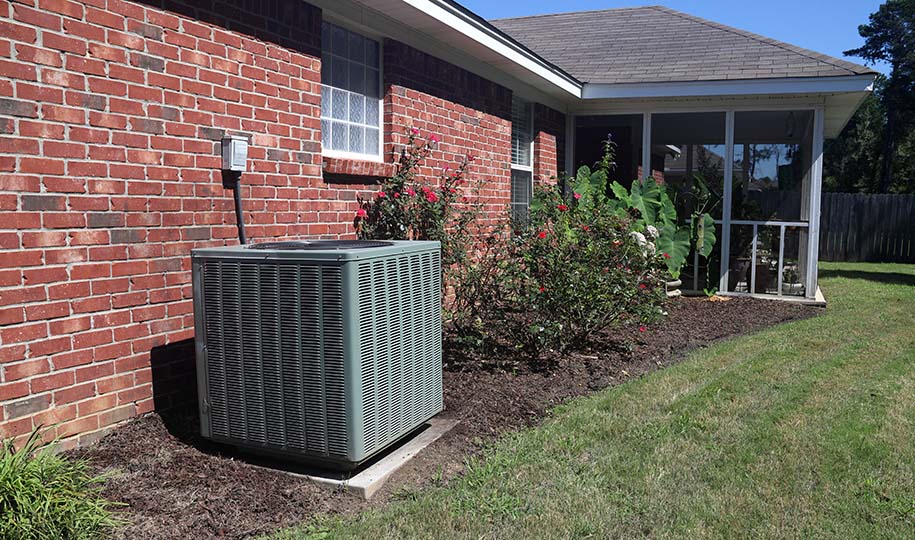
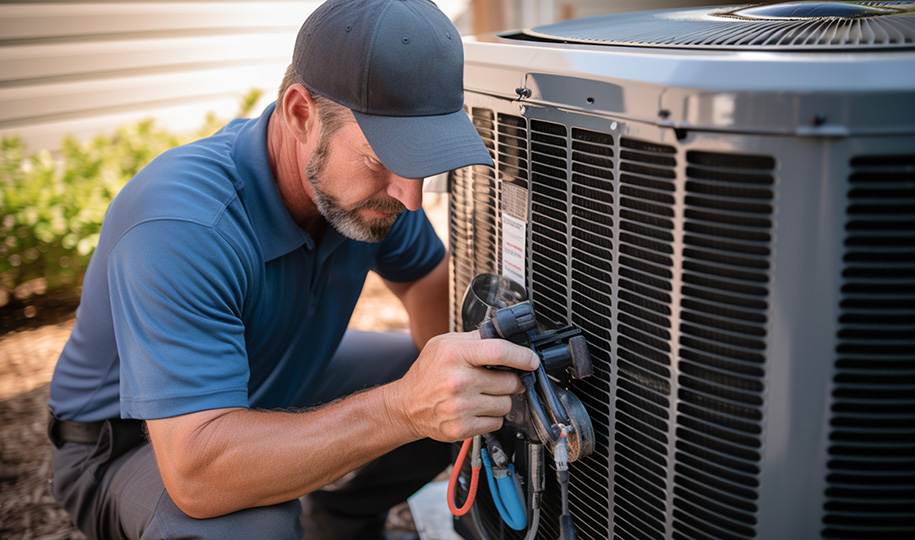
- HVAC systems (heating and air conditioning)
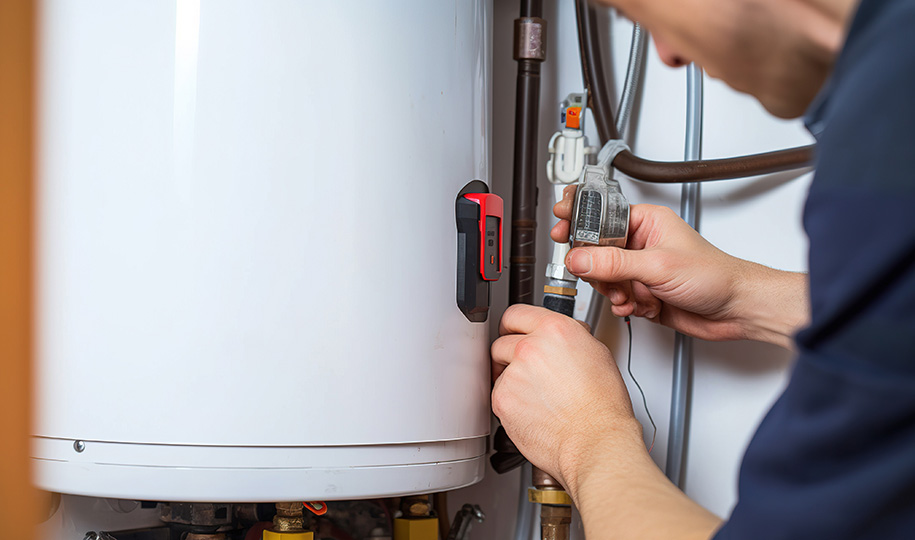
- Plumbing systems and water heaters
- Electrical systems
- Kitchen appliances (refrigerator, oven, dishwasher, built-in microwave)
- Laundry appliances (washer and dryer)
- Garage door openers
First American Home Warranty has a range of plans and coverage options for every budget, making it a worthwhile investment for your home.
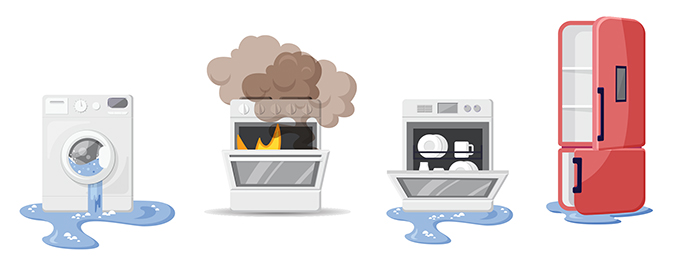
Homeowners Insurance and Home Warranty Comparison
Understanding the differences helps homeowners make informed decisions. Here’s a side-by-side comparison of homeowners insurance vs. home warranty coverage:
|
Homeowners Insurance |
Home Warranty |
|
Typically required by mortgage lenders. |
Optional purchase for added budget protection. |
|
Covers damages to your home and its contents from major accidents, fire, theft, etc. |
Covers major home system and appliance breakdowns. |
|
Helps pay for repairs to your home or personal property. |
Takes care of repairs and replacement of covered items. |
|
You pay a deductible before your insurer will cover the remaining expenses. |
Helps cover repair and replacement of covered items, subject to plan terms and any non-covered costs. |
|
Provides personal liability coverage for injuries occurring on your property. |
Provides budget protection from expensive repair and replacement costs. |
Here’s a simple way to think about it:
Homeowners insurance covers events that might happen, but you hope never do, like a fire, theft, major water damage, or a tree falling on your roof.
A home warranty covers breakdowns that will inevitably happen because appliances and systems inevitably fail. For example, a home warranty can step in when your refrigerator stops cooling or your aging HVAC system fails and needs to be replaced.
What Home Warranties Don’t Cover
A home warranty is a powerful tool, but it doesn’t cover everything. Common exclusions include:
- Cosmetic damage
- Damage caused by misuse or neglect
- Modifications, alterations, or upgrades, including code-required upgrades and improvements beyond the original covered item
- Structural damage or events covered by homeowners insurance
Reading your home warranty contract carefully ensures that you understand the terms and limitations. As long as your home systems and appliances are in working order at the start of your contract and you use them properly, a home warranty offers invaluable protection.
Why You Might Want Both
Many homeowners mistakenly assume that when their HVAC, plumbing, or other home system fails, their homeowners insurance will cover it. Insurance protects against major disasters, while a home warranty protects your budget from everyday appliance and system failures.
Many homeowners find that combining both homeowners insurance and a home warranty provides optimal budget protection and peace of mind, since both protect your home in different ways.
The Cost of Homeowners Insurance vs. a Home Warranty
When comparing homeowners insurance vs. a home warranty, it’s important to understand how costs are structured. Each type of coverage has a different payment model, and both can impact your budget in unique ways.
Homeowners Insurance Costs
- Premiums are influenced by factors such as your home's value, location, and the types of risks most common in your area.
- If you file a claim, you’ll pay a deductible before your insurance coverage takes effect.
- Coverage is renewable annually.
Home Warranty Costs
- You pay an annual or monthly fee for coverage, typically based on the size and type of your home (single-family, condo, townhome, and so on).
- When you submit a service request for a covered appliance or system that has failed, you’ll pay a service fee to start the repair/replacement process.
- Your home warranty contract can be renewed annually.
- In some cases, homeowners may be responsible for non-covered costs such as permits, code upgrades, or modifications required to install replacement equipment.
Note that even with a home warranty, there can be costs that aren’t covered, such as for modifications. For both a home warranty and homeowners insurance, it’s important to review your contract for specific coverage, limits, and exclusions.
How to Choose the Right Home Warranty
When selecting coverage, consider your home’s age, the condition of your appliances and systems, and your budget. Older homes often benefit more from a home warranty because their systems and appliances are more prone to unexpected failures.
First American offers a variety of plans, along with options and upgrades that let you customize coverage to fit your home’s needs. It’s easy to compare plans and see what’s covered.
Why Choose a First American Home Warranty?
At First American, our home warranties are backed by more than 40 years of experience, offering industry-leading coverage and exceptional value. Our network of prescreened technicians ensures your covered appliances and systems are protected.
Understanding the difference between homeowners insurance and a home warranty helps you make confident, informed decisions for protecting your home. Get a free home warranty quote today and learn how our plans can complement your insurance coverage and provide valuable peace of mind.
FAQs About Home Warranty Protections
Do you need both homeowners insurance and a home warranty?
You aren’t required to have both, but many homeowners choose to. Homeowners insurance is typically required by mortgage lenders and covers damage from fires, storms, and theft. A home warranty is optional and covers the repair or replacement of systems and appliances that fail from normal wear and use. Together, they protect both your home’s structure and its everyday working parts.
Does homeowners insurance cover a leaking dishwasher?
Homeowners insurance typically doesn’t cover the dishwasher itself when it leaks from normal wear and use, but it may cover water damage the leak causes to your floors, cabinets, or walls, depending on your policy. A home warranty covers appliance repair or replacement. Homeowners with both types of coverage are protected on both fronts.
Which is cheaper, homeowners insurance or a home warranty?
A home warranty is generally less expensive than homeowners insurance on an annual basis. Home warranty plans typically cost $400 to $700 per year, while homeowners insurance premiums vary widely by location, home value, and coverage level. The two serve different purposes, so cost comparison alone shouldn’t determine which to have.
Can you have a home warranty without homeowners insurance?
Yes. A home warranty doesn’t require homeowners insurance to be in place. However, if you have a mortgage, your lender likely requires homeowners insurance.

Keep Reading






Home Care Buzz Experts
The First American Home Care Buzz team is made up of experienced home warranty writers and editors. Our team provides valuable insights and information to help homeowners like you meet the daily challenges of homeownership.
This article is about...