
When to Replace Windows: 7 Signs You Shouldn't Ignore
OCTOBER 15, 2025 | Home Care Buzz Experts | 6 minute read
Have you noticed your energy bills creeping higher each winter? A persistent draft by the living room window that won't go away? Windows are one of your home's most prominent features, and replacing them can dramatically update your home's efficiency and appearance. However, new windows are expensive, so you want to make sure the investment is worthwhile before deciding when to replace them. Learn the seven key warning signs that it’s time to replace the windows in your home. Our guide offers insights into replacement costs, window material options, and energy-savings benefits, along with expert guidance on making the right decision for your home and budget.
7 Clear Signs You Need New Windows
These seven signs can help you determine whether your windows are ready for replacement.
1. Noticeable Drafts and Air Leaks
If you feel cold air coming through your windows even when they're closed, your windows are no longer providing proper insulation. Window coverings such as curtains and drapes, and even blinds, can help to some degree, but they won’t completely stop air leaks and drafts. Windows with air leaks or failing seals force your HVAC system to work harder, leading to higher energy bills and uneven temperatures throughout your home.
Pro tip: If you notice drafty areas in your home, it’s also a good idea to check your exterior doors for air leaks. An exterior door can be easily sealed or even replaced to offer better insulation, security, and curb appeal.
2. Rising Energy Bills
If your heating and cooling costs have steadily increased without a corresponding change in your usage patterns, your windows might be the culprit. According to the Department of Energy, old, inefficient windows can account for 25% to 30% of heating and cooling energy loss.
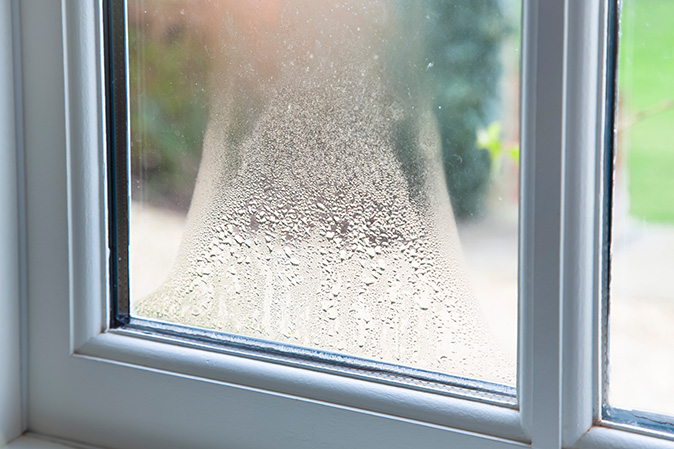
3. Fogged or Condensation Between Glass Panes
Once the seals between double-pane glass break, moisture can get trapped inside, creating a cloudy, fogged appearance. While some companies offer defogging services, the results are often temporary, and full window replacement is typically the most effective long-term solution.
4. Difficulty Opening or Closing Windows
Windows that stick, require excessive force to operate, or won't stay open are more than just inconvenient; they can be safety hazards. This often indicates warped frames or worn-out hardware that's beyond simple repair.
5. Rotted or Warped Window Frames
Wooden windows with rotting or warped frames need replacement when the damage is extensive. While small areas of rot or a damaged sill can often be repaired, widespread frame damage compromises the window's structural integrity.
6. Excessive Outside Noise
Quality windows should significantly reduce outside noise. If you're hearing every car, neighbor conversation, or lawn mower clearly through closed windows, it's a sign your windows aren't sealed properly.
7. Hard-to-Find Replacement Hardware
When window manufacturers no longer make replacement parts for your windows, or when multiple components are failing, full replacement becomes more cost-effective than repeated minor repairs (not to mention the headache of searching for the right parts).
How Long Do Windows Last?
Understanding how long windows last helps you plan for replacement. Window lifespans vary significantly by material and quality:
- Vinyl windows: 20 to 40 years with minimal maintenance
- Wood windows: 15 to 60+ years, depending on wood quality and maintenance
- Aluminum windows: 30 to 50+ years (though coastal areas may see shorter lifespans due to corrosion)
- Fiberglass windows: 30 to 50+ years with excellent durability
However, consider replacing windows even if they’re still within their expected lifespan, especially if they show clear signs of failure or significantly impact your home's energy efficiency.
If you have an older home with well-crafted wooden windows, they can often be restored and refurbished relatively inexpensively, especially if you have a historic home with custom or specialized windows.
Window Replacement Costs and Benefits
When considering window replacement costs, understand that if you hope to recoup the expense solely through energy savings, temper your expectations. Replacing old windows can help lower your energy bill by 10% to 15%, depending on your location and the condition of your current windows — yet it may take decades for these savings to cover the replacement costs fully.
However, the benefits of replacement windows extend beyond energy savings. Window replacement typically recoups around 70% of its cost when you sell your home. New double-pane windows also make your home more attractive and comfortable, reduce maintenance needs, and significantly decrease outside noise — a real benefit if you have noisy neighbors or live on a busy street.
Consider how long you plan to stay in your home when evaluating whether energy-efficient windows are a worthwhile investment for your situation. Energy-efficient home improvements are more effective when you can enjoy their benefits for several years, allowing you to build equity for eventual resale.
Pro tip: When you're budgeting for projects such as replacement windows, consider the best ways to pay for home improvements to make your project financially manageable without added stress.
Window Materials Guide
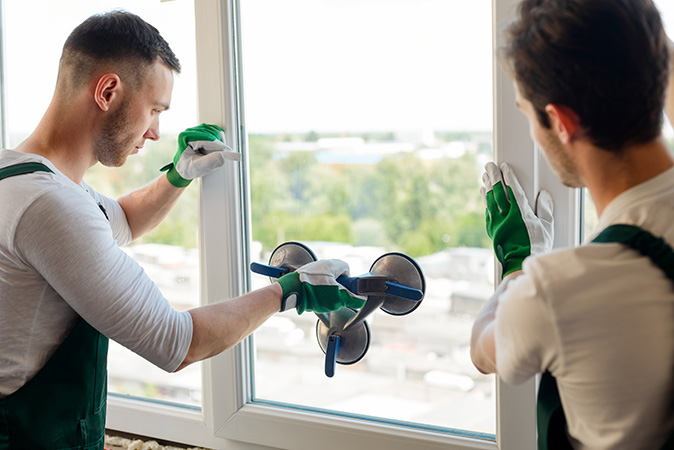
If you've decided to proceed with replacement, choosing the right material is crucial. Make sure you select architecturally appropriate windows for your home, or you may actually detract from your home's value.
Vinyl Windows
- Pros: Inexpensive, durable, no maintenance required, good insulator
- Cons: Limited color choices (typically white or tan), cannot be painted, and have thicker frames
- Best for: Budget-conscious homeowners, low-maintenance preferences
Fiberglass Windows
- Pros: Extremely durable, no maintenance, can be painted, excellent insulator
- Cons: Higher upfront cost than vinyl
- Best for: Long-term value, extreme weather climates
Aluminum Windows
- Pros: Strong, many color options available, can have relatively thin frames
- Cons: Poor insulator, not suitable for coastal climates due to corrosion
- Best for: Commercial applications, specific architectural styles
Wood Windows
- Pros: Attractive, strong, ideal for custom applications and historic homes, natural insulator
- Cons: Most expensive, requires ongoing maintenance and periodic painting
- Best for: Historic homes, custom applications, premium aesthetics
Wood-Clad Windows
- Pros: Interior can be painted or stained, exterior cladding provides durability, and lower maintenance than pure wood
- Cons: More expensive than solid wood windows
- Best for: Best-of-both-worlds approach combining aesthetics with durability
New energy-efficient windows work hand-in-hand with your home's heating and cooling systems. When your HVAC system doesn't have to work overtime to compensate for drafty windows, it experiences less wear and tear. If you're interested in window insulation techniques for temporary savings while planning your window replacement, consider exploring several cost-effective options.
Once you decide to proceed, measuring for replacement windows ensures proper fit and professional installation results.
Update Your Windows and Protect What’s Inside With a Warranty
A home warranty can help protect your covered HVAC system — as well as other essential home appliances and systems — when they break. Coverage offers a budget-friendly repair/replacement solution and provides peace of mind as you invest in other home improvements.
Ready to learn more about protecting your home's systems and appliances? Get a free quote to see how comprehensive home warranty coverage can complement your home improvement investments.
FAQs About Window Replacements
How much does window replacement cost?
Several key factors influence window pricing, including the window's size, material (vinyl is the most common and budget-friendly option), style (such as double-hung, casement, bay), features like special glass coatings, and the type of installation. More windows mean a higher total cost, but volume pricing might apply for larger projects.
What's the best time of year to replace windows?
Fall and spring offer moderate weather for installation, though quality contractors can work year-round with proper precautions.
How long does window installation take?
Professional installation typically takes 1 to 2 hours per window, with most whole-house projects completed within 1 to 3 days, depending on the home's size.
Do new windows really save money on energy bills?
Yes, new energy-efficient windows typically reduce heating and cooling costs by 10% to 15%, although the payback periods vary by region and the current condition of the existing windows.
Should I replace all windows at once?
Replacing all windows at once often provides bulk pricing discounts and ensures a consistent appearance, but you can prioritize problem areas if budget is a concern.
Are energy-efficient windows worth the extra cost?
Energy-efficient windows provide better comfort, lower utility bills, and often qualify for tax credits, making them worthwhile for most homeowners planning long-term residence.
The contents of this article are provided for general guidance only. First American Home Warranty does not assume any responsibility for losses or damages as a result of using this information.
Please be aware that if you disassemble a covered system or item, it can invalidate your home warranty or manufacturer's warranty.





Home Care Buzz Experts
The First American Home Care Buzz team is made up of experienced home warranty writers and editors. Our team provides valuable insights and information to help homeowners like you meet the daily challenges of homeownership.
This article is about...