
Just like cars, air conditioners, and other household appliances, your water heater needs regular maintenance to keep it working efficiently. Most manufacturers recommend that you perform regular preventive maintenance on a hot water heater—but don’t worry, you can also call in the professionals if you’re not the DIY type.
Let’s discuss hot water heater maintenance, and what steps you’ll need to complete depending on the type of water heater used in your home.
Tank-Style Water Heater Maintenance
Whether you use an electric or gas water heater, maintenance is key to keeping your unit performing at its best. Tank-style water heaters use a large metal storage tank to hold and heat water. The tank is insulated, and often wrapped in insulation, to prevent heat loss. It works by taking in cold water and heating it using electricity or natural gas. You should complete the following regular maintenance on water heaters:
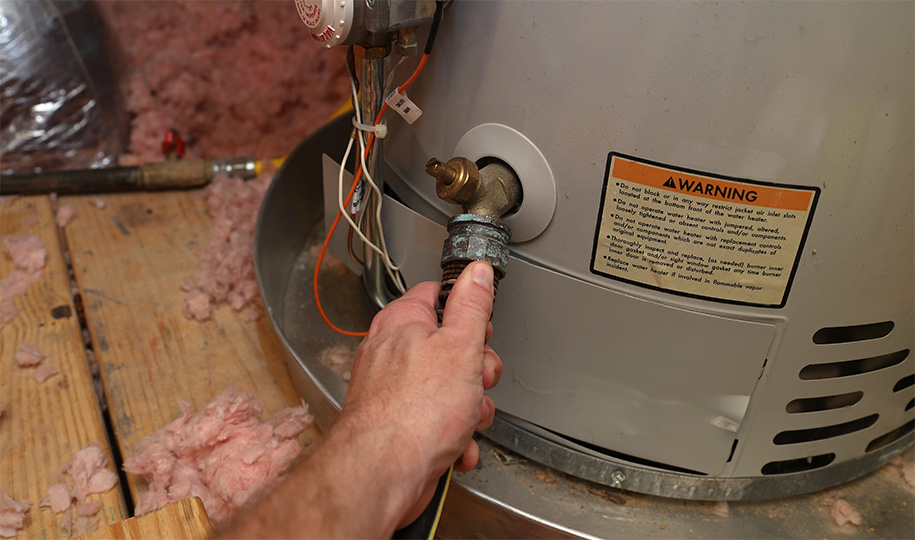
Step 1: Drain and Flush Your Water Heater
Most water contains minerals like calcium and magnesium that can create deposits in your water heater over time. These deposits create a buildup of sediment at the bottom of the water tank and can cover the thermostat sensor. This can cause your system to work harder and use more energy since it can’t accurately read the temperature.
Some manufacturers recommend completely draining and flushing your water heater every 6-12 months. Others recommend draining a few gallons each month to remove sediment. Check your water heater’s manual or ask a local professional if you aren’t sure which process to use.
Step 2: Complete a Visual Inspection
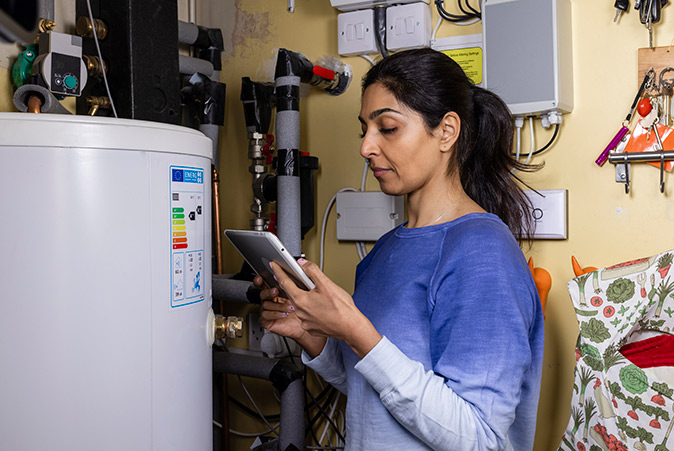
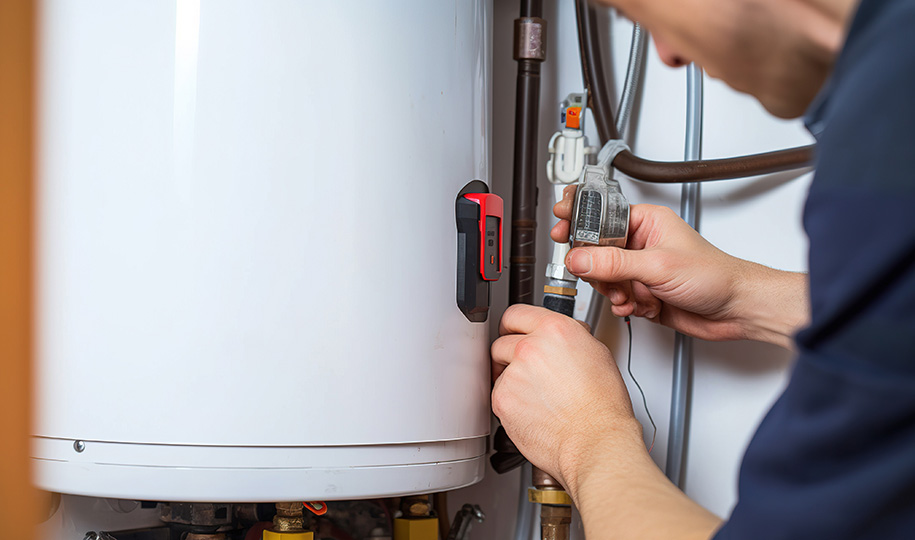
You should visually inspect your water heater at least once a year. Check its venting, piping, and if it’s a gas heater, main, and pilot burner. Look closely for rust, corrosion, leaks, or pilot-light problems. Take note of any issues or problems you find during this inspection, and consider hiring a plumber if you find any concerning issues.
Step 3: Test Temperature and Pressure Relief Valve
The temperature and pressure release valve is a safety device designed to prevent your water heater from overheating or building up too much pressure. When the temperature or pressure inside the hot water tank exceeds a certain level, the valve will open and release hot water and steam. This process prevents it from rupturing or exploding in case of a malfunction.
The valve is located on the side of your tank—usually with a discharge pipe leading out of it. To test the valve, place a bucket underneath the discharge pipe that drains from the valve. Then lift the lever and drain a few cups of water before closing the valve again. If the valve doesn’t open or won’t shut completely after you’ve opened it, it needs to be replaced.
Step 4: Inspect Anode Rod
Your tank water heater has a special device called an anode rod that helps protect the tank from rust and corrosion. Also known as the “sacrificial” anode rod, it is made of a more active metal (like aluminum or magnesium) that attracts corrosive elements in the water. The anode rod will corrode over time, sparing your water tank from the same fate. These rods typically need to be replaced every five years or so — but they may degrade faster if you have a water softener.
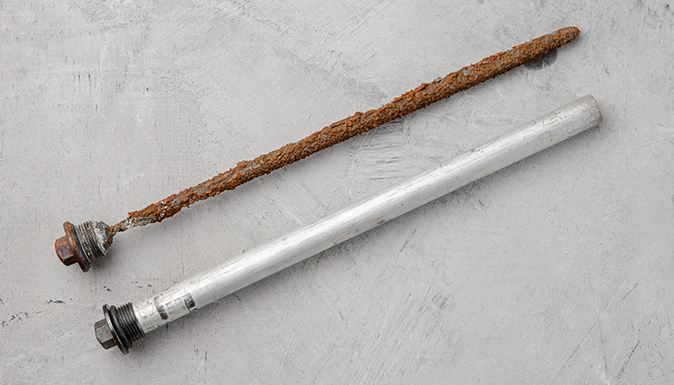
It's time to replace your anode rod if:
- The rod is corroded with mineral deposits
- More than six inches of the core are exposed
- The anode rod is under a half-inch thick
You may also consider replacing the anode rod if it’s five or more years old.
Tankless Water Heater Maintenance
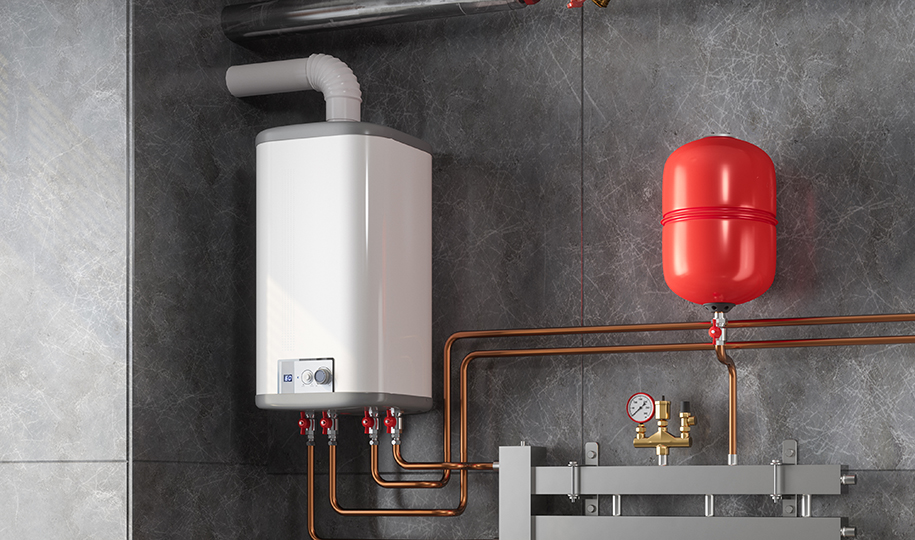
Tankless water heaters, also known as on-demand or instant heaters, work differently than tank-style water heaters. Instead of using storage tanks, these units heat water as it flows through the unit. When a hot water tap is turned on, cold water flows into the unit, where a gas burner or electric element heats it. This type of water heater can produce an unlimited supply of hot water since you don’t have to worry about a tank running out.
A tankless water heater is still subject to mineral deposits even with no water storage. The unit’s heating chamber (or heat exchanger) can be damaged by mineral buildup over time, so it’s important to flush the chamber periodically in addition to the following:
- Check the air filter
- Check inlet and outlet water filters for debris
- Inspect the vent system for blockages
- Check water and gas connections for leaks/water damage
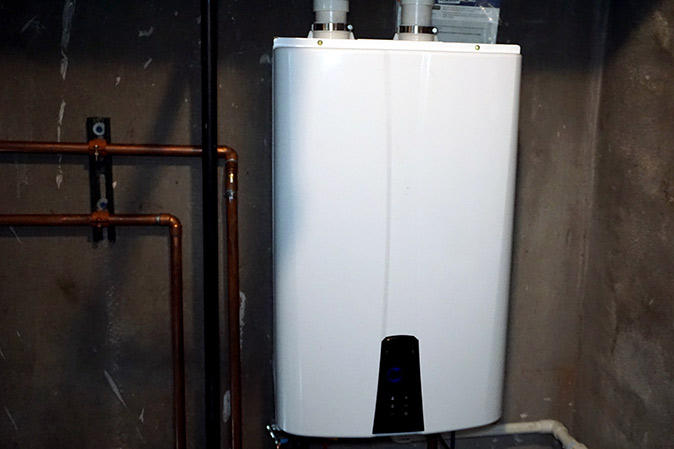
Most tankless water heaters need to be professionally inspected and serviced once per year, or more frequently if you notice any issues or problems.
FAQs About Water Heater Maintenance
Q: Do home warranties cover water heaters?
A: First American home warranties cover broken water heaters, along with many other malfunctioning home systems and appliances. Get a free home warranty quote today and protect your budget from costly repair and replacement expenses.
See other home warranty coverage for plumbing.
Q: What’s the best water heater temperature?
A: To prevent scalding, safety recommendations advise setting your water heater to 120 degrees Fahrenheit. However, many people set their heaters to 140 degrees. Some experts caution that temperatures below 120 degrees can encourage the growth of bacteria.
The contents of this article are provided for general guidance only. First American Home Warranty does not assume any responsibility for losses or damages as a result of using this information.

Home Warranty Means Peace of Mind




This article is about...