
How Long Do Appliances Last? A Guide to Appliance Life Expectancy
SEPTEMBER 16, 2026 | Home Care Buzz Experts | 10 minute read
Blog Summary
Most major home appliances last 9 to 15 years, with dishwashers and microwaves among the shortest-lived at about 9 years.
Regular maintenance can extend appliance life, and a home warranty can help cover repair and replacement costs when they inevitably fail from normal wear.
You know appliances don’t last forever, but if you've wondered, how long do appliances last on average, this guide has the answers. Typically, appliance life expectancy depends on the type of appliance, how often you use it, and how well you maintain it. The same general rules apply to the lifespans of home systems. Some last for decades, while others may need replacing sooner than you think.
In this guide, we’ll break down the average lifespans of popular home appliances and home systems. Plus, we’ll cover what you can do to help them last longer, when it makes sense to repair versus replace, and how a home appliance warranty can help with unexpected repairs or replacements.
Average Lifespans of Home Appliances and Systems
This table shows some of the most-used home appliances and systems and their average appliance life expectancies:
|
Type of Appliance or System |
Average Lifespan in Years* |
|
Refrigerator |
10 to 13 |
|
Oven, range, and stovetop |
13 to 15 |
|
Microwave |
9 |
|
Dishwasher |
9 |
|
Freezer |
11 to 16 |
|
Garbage disposal |
12 |
|
Washing machine |
10 to 14 |
|
Dryer |
13 |
|
HVAC |
15 to 20 |
|
Furnace |
15 to 20 |
|
Central air conditioning |
7 to 15 |
|
Water heater |
8 to 12 |
You may notice the expected lifespans shown in the table above are shorter than you’d expect. That’s because modern appliances have more electronic controls, sensors, and features than the mostly mechanical models of decades past, which means more potential points of failure. Where an older appliance might have lasted 20 years or more, today’s average major appliance lasts about 10 to 15 years. Choosing reliable brands and staying on top of maintenance are the best ways to get the most out of yours.
Kitchen Appliances
Your kitchen appliances work hard every day. They keep food fresh, help you prepare healthy meals, and handle some of the cleanup. Over time, these appliances can wear down and may not perform as well as they should.
Here’s how long most major kitchen appliances typically last and what you can do to extend their lifespans.
Refrigerator
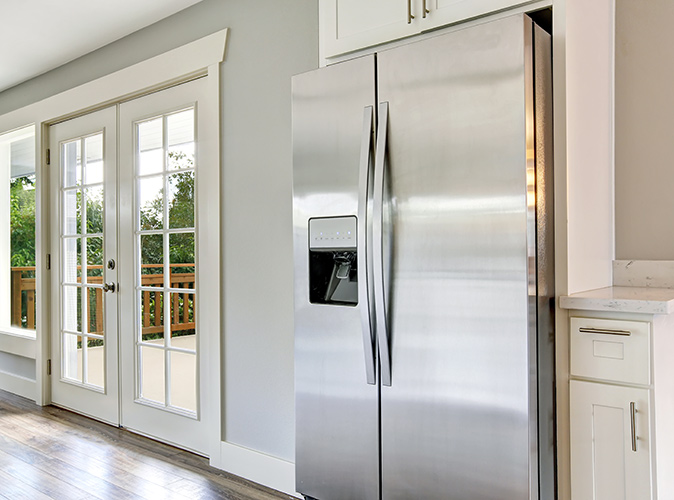
Most refrigerators last between 10 and 13 years, but that depends on the brand, model, and level of care they receive. Some of the signs that your fridge could be failing include:
- Not keeping food cold or maintaining the right temperature
- Running constantly without cycling off
- Making loud or unusual noises
- Excess condensation inside the fridge or around the door seals
- Frost buildup in the freezer or on food items
- A warm exterior or hot spots on the sides or back of the fridge
To extend the lifespan of your fridge, you’ll want to perform regular refrigerator maintenance. Clean the condenser coils every so often to prevent your fridge from overheating. Wipe down the door seals to keep them airtight and ensure a proper seal. Also, avoid overloading the fridge, since good airflow helps it run efficiently.
If your fridge has a water filter, replace it regularly to prevent scale buildup, maintain water quality, and keep the ice maker working properly.
Oven, Range, and Stovetop
A gas oven or range typically lasts about 15 years, while electric models tend to last around 13 years. If you notice that food cooks unevenly, burners won’t heat properly, or the control panel malfunctions, your oven may need repairs or even replacement. A door that won’t shut completely or an oven that takes longer to heat up than usual can also cause problems.
Regular cleaning and oven maintenance can help extend its lifespan. Here are some ways to keep your oven working properly:
- Wipe up spills quickly to prevent buildup
- Check burners and igniters for damage and replace them when necessary
- Avoid slamming the oven door, which can damage the seals
- Use the self-cleaning cycle sparingly, since extreme heat can wear out components faster
Microwave
A microwave lasts around 9 years, but heavy use or lack of maintenance can shorten its lifespan. If your microwave takes longer to heat food, makes strange noises, or has a faulty door seal, it might need to be repaired or replaced soon.
To keep your microwave functioning properly, clean the interior regularly to prevent food buildup that can damage its components. Use only microwave-safe containers when heating food, such as heat-proof glass, heat-proof ceramic, and untreated paper.
You’ll also want to avoid slamming the door, as this can wear down the latches that hold the door in place.
Dishwasher
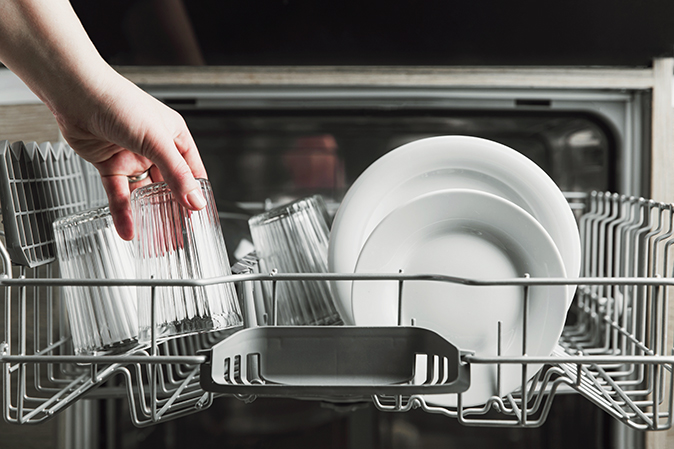
Dishwashers last about 9 years on average, one of the shortest lifespans of any major kitchen appliance. If your dishwasher won’t drain properly, leaves dishes dirty, or makes unusual noises, it may be wearing out. Water pooling at the bottom or a door that doesn’t latch properly can also indicate a problem.
To help it last longer, clean the filter regularly to prevent clogs. Scrape off food before loading dishes, but don’t rinse them completely — modern dishwashers clean better when dishes have slight residue. Run full loads to reduce wear on the motor and pump.
You’ll also want to use high-quality liquid or powder detergent when running your dishwasher. Certain detergents, like pods, can sometimes cause buildup inside the machine.
Freezer
A standalone freezer lasts 11 to 16 years, depending on maintenance and usage. If you notice frost building up quickly, food not freezing properly, or the motor running constantly, your freezer may be on its last legs. A sudden increase in energy bills can also signal a problem with your freezer.
Regular freezer cleaning and maintenance can help it run efficiently for years. Defrost as needed to prevent strain on the compressor, and keep the door closed as much as possible to maintain a steady temperature. Vacuum the coils regularly to improve performance and avoid overloading it – good airflow is key to keeping food evenly frozen.
Garbage Disposal
Garbage disposals last about 12 years. If yours makes strange noises, clogs frequently, emits bad odors, or won’t turn on, it may be nearing the end of its life.
Always run cold water while using your disposal. This helps solidify any grease or oil that may be present in the disposal and optimizes the appliance’s ability to break down food properly. Avoid tossing in hard or fibrous items like bones, coffee grounds, or potato peels, which can dull the blades or cause clogs.
Regular garbage disposal maintenance, such as regularly cleaning it with ice cubes and baking soda, can help keep the blades sharp and prevent buildup. And rather than overloading it, feed small amounts of food waste at a time to keep it running smoothly.
Laundry Appliances
How long do washers and dryers last? Your laundry machines are used frequently, which puts stress on their motors and components. With proper maintenance, you can help them last longer and avoid costly repairs.
Washing Machine
A washing machine lasts about 10 to 14 years, but some specific signs can indicate when yours is wearing out. Here are a few of them:
- The washer is not draining water properly
- Loud noises are emanating from the machine
- The washer stops mid-cycle
- Clothes are soaking wet when the cycle ends
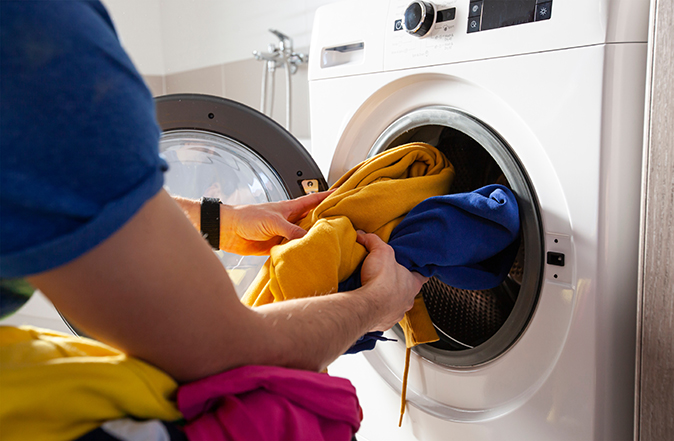
To extend the life of your washing machine, avoid overloading it, as this can put extra strain on the motor and drum. Use detergent according to your manufacturer’s guidelines and measure it carefully; too much soap can cause buildup and damage parts of the machine.
You’ll also want to regularly clean the drain pump and leave the door open after each cycle to help prevent mold and mildew from growing inside the drum.
Dryer
Dryers usually last about 13 years. But if your clothes are taking longer to dry, the drum isn't turning properly, or the machine is making loud squeaking noises, it may be wearing out. A burning smell or excessive heat can also point to a more serious issue.
To keep your dryer in top shape, follow these tips:
- Clean the lint filter after every load
- Check and clean the vent hose to prevent clogs
- Avoid overloading it — heavy loads put extra strain on the motor and belt
- Use the correct heat setting for different fabrics to prevent overheating
Heating and Cooling Systems
Your home’s heating and cooling systems work hard year-round. Over time, wear and tear can cause these systems to lose efficiency or break down. Regular maintenance and timely repairs can help extend their lifespans, but eventually, they’ll need to be replaced.
Below, we’ll go over how long you can expect different heating and cooling systems to last and what you can do to keep them running smoothly.
Heating, Ventilation, and Air Conditioning (HVAC)
Your HVAC system plays a crucial role in your home’s comfort. These systems generally last 15 to 25 years, but with proper HVAC maintenance, they could last even longer. Many HVAC systems include both heating and cooling components — such as a furnace and central air conditioner — though some homes rely on standalone units instead.
Scheduling an HVAC tune-up can help catch worn-out parts before they fail. If your system turns on and off frequently, some rooms feel too hot or too cold, or your energy bills suddenly increase, it could signal an issue that needs attention.
Furnace
A furnace usually lasts between 15 and 20 years. If your home has cold spots, the furnace makes unusual noises, or your energy bills keep rising, it may be time for furnace repairs or a replacement.
To keep your furnace in good shape, replace the air filter, keep vents clear to allow proper airflow, and seal duct leaks to reduce strain on the system. Annual tune-ups can help catch many undiagnosed issues with your furnace.
Central Air Conditioning
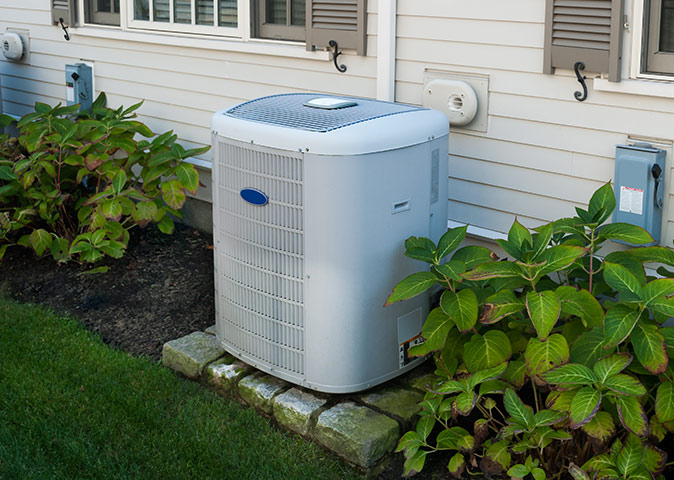
Central air conditioners last about 7 to 15 years, and regular maintenance can help extend their lifespans. However, if your AC is making noises, blowing warm air, or has weak airflow, it could be reaching the end of its lifespan.
Change the air filters often to keep airflow strong, clear any debris around the outdoor condenser unit, and have a professional check the refrigerant levels if the system isn’t cooling as it did previously.
Scheduling regular maintenance can also help catch small issues before they turn into costly repairs.
Water Heater
Traditional water heaters usually last 8 to 12 years, while tankless models can last 20 years or more. Common signs your water heater could be failing include water that isn’t as hot as it used to be, a metallic taste, or a rusty look. Leaks and/or strange popping or rumbling noises from the unit itself could also be signs of a malfunctioning water heater.
Taking steps to maintain your water heater can help it last longer. Drain and flush the tank every 6 to 12 months to remove sediment that builds up over time. Also, check the anode rod (a metal rod inside the tank that helps prevent rust) for corrosion and replace it if it's worn out.
When to Repair vs. Replace an Appliance
Recognizing when it’s time to replace appliances rather than repair them can save you money over time. A widely used guideline is the 50% rule: If a repair costs more than half the price of a new appliance, and the unit is near or past its average lifespan, replacement is usually the smarter choice. If the appliance is still well within its expected lifespan and the repair is minor, fixing it typically makes more sense.
>Here are a few questions to ask that can help with your decision-making:
- What is the appliance’s age relative to its average lifespan (see the table above)?
- How much is cost to make the repair vs. the cost of a comparable new model?
- How often and in recent times has the appliance needed repairs?
- Is the appliance still under a manufacturer’s warranty or covered by a home warranty?
Plan Ahead for Home Appliance Repairs
Appliances don’t last forever, but proper maintenance can help extend their lifespans. When signs of wear appear, such as unusual noises, frequent breakdowns, or poor performance, it’s best to address these issues as quickly as possible to prevent further damage.
Home appliance warranty coverage can help take care of unexpected costs when essential appliances or home systems break down, providing a convenient repair or replacement solution when they fail due to normal wear and use.
Get a free quote today and learn more about First American home warranties and the peace of mind they provide.
FAQs About the Average Lifespan of Home Appliances
What home appliance has the shortest lifespan?
Among major kitchen appliances, dishwashers and microwaves have the shortest average lifespan at about 9 years, according to the National Association of Home Builders. Trash compactors last even less, around 6 years. Regular maintenance can help these appliances reach the higher end of their expected lifespans.
What home appliances last the longest?
Among kitchen appliances, gas ranges have the longest lifespan of about 15 years. Among home systems, furnaces and HVAC systems can last 15 to 20 years or more, and tankless water heaters can last over 20 years with proper maintenance. Gas and mechanically simple appliances tend to outlast feature-heavy electric models.
Is it worth repairing an appliance, or should I replace it?
A common guideline is the 50% rule: If the repair costs more than half the price of a new appliance and the unit is near or past its average lifespan, replacement is usually the better choice. If the appliance is well within its expected lifespan and the repair is minor, repairing it typically makes more sense. With a home warranty, you don’t have to worry about covered repair costs for appliances. And if your appliance can’t be repaired, we’ll replace it.
Why don’t appliances last as long as they used to?
Modern appliances often have more electronic controls, sensors, and features than older models, and these added components introduce more potential points of failure. Where mostly mechanical appliances from decades ago often last 20 years or more, today’s average major appliance lasts about 10 to 15 years. Choosing reliable brands and keeping up with maintenance are the best ways to maximize lifespan.
*National Association of Home Builders Study of Life Expectancy of Home Components; Consumer Reports.
The contents of this article are provided for general guidance only. First American Home Warranty does not assume any responsibility for losses or damages as a result of using this information.
Please be aware that if you disassemble a covered system or item, it can invalidate your home warranty or manufacturer's warranty.

Keep Reading





Home Care Buzz Experts
The First American Home Care Buzz team is made up of experienced home warranty writers and editors. Our team provides valuable insights and information to help homeowners like you meet the daily challenges of homeownership.
This article is about...