
20 Need-to-Know Real Estate Agent Safety Tips
SEPTEMBER 06, 2024 | Home Care Buzz Experts | 6 minute read
Real estate agent safety is paramount for those in a profession that often involves working and meeting new clients in unfamiliar environments. Protecting yourself while conducting business is not just a priority — it's a necessity. In this article, we'll provide you with essential real estate agent safety tips for meeting new clients, showing properties, and hosting open houses. These practical guidelines can enhance your safety and ensure a more secure working experience.
Meeting New Clients
Meeting new clients is one of the best ways to grow your business as an agent or REALTOR®. These real estate safety tips can help you keep your well-being a priority when introducing yourself to new clients.
1. Verify Client Information
Nothing is more important than your safety when visiting a client. Before agreeing to meet, verify the client's identity by asking for a photo ID and conducting a quick online search of their social media accounts and public records.
2. Meet in Public Places
Arrange to meet new clients at your office or a public place, like a coffee shop. This initial meeting in a safe, controlled environment allows you to assess the client's legitimacy and establish a professional relationship.
3. Share Your Schedule
Always inform a colleague or family member about your appointments, including a client's details and the meeting location. Send a quick text or email to co-workers or family with the client's name, phone number, and the address where you plan to meet. You can also share your location via your phone if that is an option for you, and/or share your professional calendar with them.
4. Use Safety Apps
Utilize real estate safety apps like Forewarn or Real Safe Agent to track your location and alert others if you feel unsafe. These apps can provide an extra layer of security by allowing access to identity verification services and tracking.
5. Trust Your Instincts
Don't hesitate to cancel or reschedule if something feels off about a client or a meeting situation. For instance, if a client seems overly pushy about meeting alone at a secluded property, trust your gut and suggest an alternative plan.

Showing Properties
Once new clients are in your pipeline, it's time to close deals. Here are some house-showing tips for agents and realtors.
1. Pre-Visit Inspection
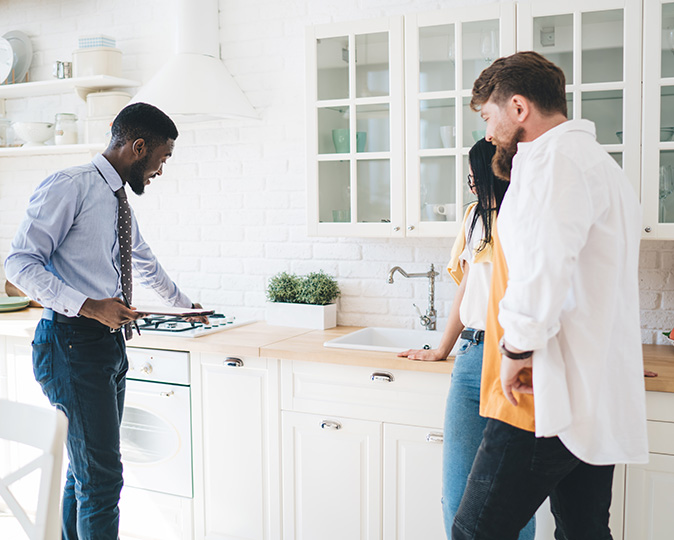
Before showing a property to clients, visit the location to familiarize yourself with the layout and identify potential safety hazards. For example, check all entry and exit points and ensure that windows and doors are secure. This proactive step can help you manage risks and feel more confident during the showing.
2. Bring a Buddy
Using the buddy system is one of the oldest agent and realtor safety tips in the book. Whenever possible, take a colleague or friend with you when showing properties. If this isn't possible, inform a trusted person of your location and estimated return time. You can also schedule a co-worker to meet you at the property or have them check in via phone at set intervals.
3. Keep Your Phone Handy
Ensure your phone is fully charged and within easy reach at all times. Consider using a wearable device, like a smartwatch, for quick access to calls or emergency features. This allows you to call for help immediately in an emergency.
4. Use a Safety Word
Establish a code word with a colleague or family member that signals you're in an uncomfortable or dangerous situation. For instance, saying something like, "I forgot to bring the blue folder," indicates you need assistance without alerting the client.
5. Park Smart
Park your car in a location that allows for a quick exit, such as parking on the street rather than in a driveway. Ensure your vehicle is facing the direction you need to leave and avoid parking in areas that could be easily blocked. This way, if you need to leave quickly, you can do so without any obstacles in your way.
Related: Summertime marketing ideas for real estate pros.
Hosting Open Houses
Open houses are an excellent way to work with many clients at once and even meet potential new ones. We've put together some real estate agent safety tips for showing a house to a group of potential buyers.
Related: Looking for tips to show clients you care?
1. Schedule During Daylight
Are you wondering when to have an open house? Hosting open houses during daylight hours increases visibility and reduces the likelihood of encountering unsafe situations. Natural light can help you better monitor visitors and spot any suspicious activity. Daytime events also tend to attract more legitimate buyers, reducing the risk of incidents and uninterested buyers.
2. Set Up a Sign-In Sheet
A sign-in sheet requiring visitors to provide their full name, phone number, and email address helps create a record of everyone who enters the property. It deters potential troublemakers who prefer to remain anonymous and provides a way to follow up if anything goes wrong. It also helps you keep track of interested buyers. As an added security measure, you can check IDs on entry to make sure they match the sign-in sheet.
3. Secure Personal Items
Ensure all valuables and personal items belonging to the home sellers are locked away before the open house begins. This reduces the temptation for theft and allows you to focus on engaging with visitors without worrying about the security of your belongings.
4. Control Access Points
Limit entry and exit points to better monitor who comes on and off the property. This control helps prevent unauthorized access and makes it easier to keep track of all visitors. Use signs or barriers to direct guests to a single entry point where you can greet them and ensure they sign in.
5. Have an Exit Plan
Know where all the exits are located and have a clear emergency plan. Familiarize yourself with the layout of the home and ensure doors and pathways are unobstructed. This can help you leave swiftly and safely if an unsafe situation arises.

Additional Real Estate Safety Tips
1. Stay Aware of Your Surroundings
Always be mindful of your environment and potential threats. This includes noting people around you and any unusual behavior. For example, if you notice someone lingering outside a property for too long or behaving erratically, it's better to leave and call for help from your car.
2. Take Self-Defense Classes
Consider enrolling in self-defense classes to enhance your ability to protect yourself. Some places even offer specialized real estate safety training. Knowing how to defend yourself can provide confidence and practical skills in case of an emergency.
3. Use Technology
Leverage technology like GPS trackers, personal alarms, and security cameras to increase your safety. Carrying a GPS tracker can allow others to know your location in real time, and personal alarms can deter attackers by drawing attention to your situation.
4. Dress Comfortably
Wear practical shoes and clothing that allow for quick movement. Avoid high heels or restricting clothing when you know you’ll be walking through unfamiliar properties or large areas. Wearing practical attire ensures you can move swiftly if you need to leave quickly.
5. Keep Emergency Contacts Updated
Make sure your emergency contact information is always current and easily accessible. Inform your contacts about your daily schedule and the properties you plan to visit. For example, provide your loved ones with your itinerary and update them if your plans change, ensuring they always know where you are.

Stay Safe Out There
Real estate agent safety is crucial for your well-being. By following these tips for meeting new clients, showing properties, and hosting open houses, you can significantly reduce risks and enhance your personal security. Remember, your safety must always come first.
Additional Protection for Clients
With First American, you can offer protection for your client's budget from unexpected repair and replacement costs after they close on their new home. A home warranty from First American can provide peace of mind and safeguard homeowners’ investment in the pivotal first year of homeownership. Encourage your clients to explore home warranty options to keep their new home — and budget — secure after the sale.
The contents of this article are provided for general guidance only. First American Home Warranty does not assume any responsibility for losses or damages as a result of using this information.



Keep Reading






Home Care Buzz Experts
The First American Home Care Buzz team is made up of experienced home warranty writers and editors. Our team provides valuable insights and information to help homeowners like you meet the daily challenges of homeownership.
This article is about...