
7 Effective Ways to Save Money Around the House
JULY 25, 2025 | Home Care Buzz Experts | 8 minute read
Owning a home comes with countless rewards, but it also brings financial responsibilities that can catch even the most prepared homeowners off guard. When major systems or appliances fail unexpectedly, costs can soar into the thousands, turning a comfortable budget into a financial nightmare.
The good news? Most expensive home repairs are preventable with the right strategies. The secret is shifting your mindset from reactive spending to strategic investing – small upfront investments in maintenance, upgrades, and repairs prevent much larger expenses down the road. By taking proactive steps to maintain your home and making informed decisions about when to tackle projects yourself versus hiring professionals, you can reduce your annual home expenses while protecting your investment. These seven effective ways to save money around the house can help you keep more of your hard-earned money and your home running smoothly year-round.
1. Prevent Expensive Home Repairs with Regular HVAC Maintenance
Your heating and cooling system works harder than any other component in your home, accounting for nearly 40% of your energy costs. When HVAC systems fail due to neglect, replacement costs typically range from $5,000 to $11,000, according to HomeGuide. The frustrating part? Most HVAC breakdowns are preventable with basic maintenance.
Start with the simplest money-saving habit: replace your air filters every three months. When filters get clogged, your system struggles to move air, causing components to overheat and fail prematurely. This inexpensive task prevents your system from working overtime, potentially saving you repair bills down the road that can be in the thousands.
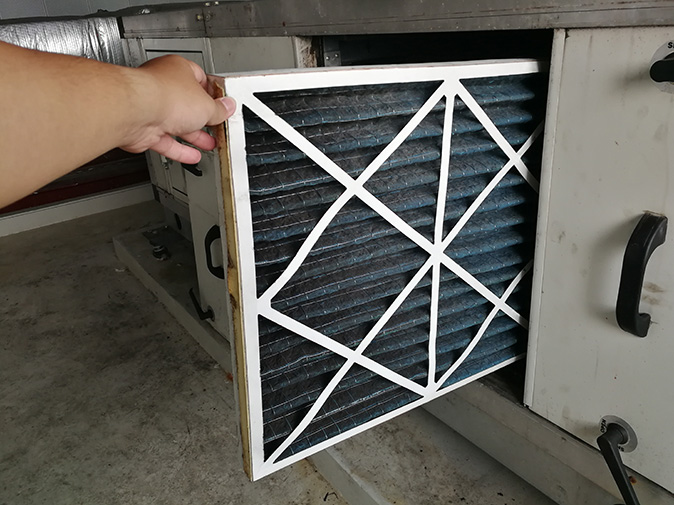
Schedule annual professional tune-ups, which can average between $70 and $200. During these visits, a technician cleans the coils, checks refrigerant levels, inspects electrical connections, and looks for minor problems to fix before they become expensive emergencies. Industry data shows that well-maintained HVAC systems last five to eight years longer than failing, neglected systems.
Don't forget the simple outdoor maintenance tasks that cost nothing but save hundreds. Clear leaves and debris around your outdoor unit monthly, and trim vegetation to maintain at least two feet of clearance.
For comprehensive guidance on how to save money on home repairs for heating and cooling systems, check out our HVAC maintenance guide and learn about energy-efficient heating strategies.
2. Smart Appliance Care That Extends Lifespan
Major appliances represent thousands of dollars in household investments. The secret to maximizing your investment isn't complicated – it's consistent care, which can double their expected lifespans. Here are cleaning tips for three essential appliances that can help them last longer:
Your refrigerator works 24/7, making it particularly vulnerable to efficiency loss. These tips can help:
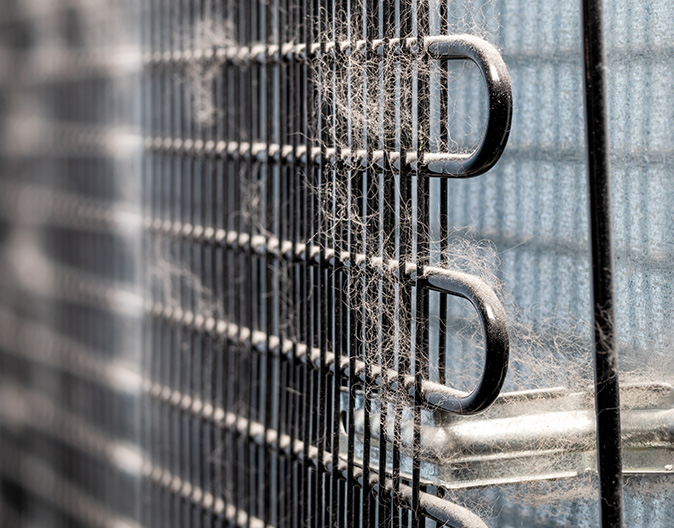
- Clean the condenser coils twice yearly by vacuuming or brushing away dust buildup. This simple task improves efficiency and prevents the compressor from overworking.
- Check door seals regularly by placing a dollar bill in the door - if it slides out easily, the seals need replacement.
Most homeowners run their dishwashers about once a day; that’s a lot of use each year. These maintenance tips can help keep yours humming:
- Dishwashers need monthly filter cleaning to prevent clogs that can damage the motor or leave dishes dirty. Run an empty cycle with dishwasher cleaner every few months. Then, periodically remove and rinse the spray arms to clear food particles from the holes.
For your washer and dryer, balance loads to prevent excessive vibration that damages internal components.
- Clean the dryer's lint trap after every load.
- Also, at least once a year, follow these steps to clean the exhaust vent, as lint buildup can pose a fire hazard.
- Replace washing machine hoses every five years, as burst hoses cost thousands in water damage.
3. Energy Efficiency Measures That Pay for Themselves
The best home improvements are those that continue to save you money long after the initial investment. Energy efficiency upgrades fall into this category, often paying for themselves within 2-3 years according to Energy Star data. The compound effect of these improvements is where real savings accumulate.
Programmable thermostats top the list of smart investments. For about $200, you can automatically adjust temperatures when you're away or sleeping, saving more annually on heating and cooling costs. Smart thermostats take this further by learning your habits and adjusting automatically.

Don't overlook the power of weatherproofing when figuring out ways to save money around the house. Spend $50 on weatherstripping and caulk to seal gaps around windows and doors, and you could save more annually on heating and cooling. Focus on areas where you feel drafts or see daylight around the window and door frames.
Water heater efficiency improvements deliver consistent savings with minimal investment. Wrap older water heaters with an insulation blanket (typically around $30) and insulate the first six feet of hot water pipes (roughly $20 in materials). These simple projects can save more than you think annually by reducing heat loss.
Read more: Explore which money-saving smart home devices work in your favor.
4. Master the Art of DIY vs. Professional Repairs
Knowing when to tackle repairs versus calling professionals can save hundreds of dollars annually while keeping your family safe and your home's systems functioning properly. The key is understanding your skills and recognizing when a project requires expertise beyond your comfort level.
DIY projects with the best return on investment are often simple maintenance tasks that service companies charge hundreds of dollars to complete.
- Unclogging drains with a basic snake or plunger costs about $10 in materials versus a few hundred for a professional drain cleaning.
- Replacing faucet aerators and showerheads requires no special skills but can improve water pressure and efficiency while saving on pricey service calls. Caulking around bathtubs, showers, and windows prevents water damage while refreshing your home's appearance.
- Basic weatherstripping installation is another high-impact DIY project that requires only measuring, cutting, and applying adhesive strips.
However, knowing when to call professionals protects your safety and your investment. Electrical work beyond replacing outlets or light switches often requires permits and expertise – mistakes can cause fires or electrocution. Gas line issues demand immediate professional attention due to the risk of explosion and carbon monoxide poisoning.
HVAC system repairs beyond filter changes and basic cleaning should be left to certified technicians. Modern systems contain refrigerants that require special handling, and improper maintenance can void warranties or create safety hazards.
A good rule of thumb is to invest in professional services if a project requires permits, involves gas or high-voltage electricity, or could cause significant damage or harm if done incorrectly. For everything else, start with research, gather the right tools, and take your time.
Check out our home maintenance checklist for guidance on how you can safely handle many DIY projects.
5. Reduce Water Waste and Lower Utility Bills
Water efficiency improvements offer some of the quickest returns on investment while reducing environmental impact. Small leaks and inefficient fixtures waste surprising amounts of water and money - a single dripping faucet wastes over 3,000 gallons annually, unnecessarily spiking up your utility bills. Here are some tips that can help you save money:
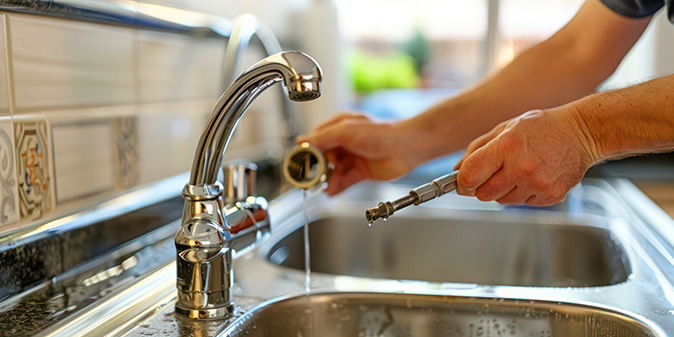
- Fix leaky faucets immediately by replacing worn washers or O-rings. Most repairs cost under $10 in parts, but prevent ongoing waste and potential water damage.
- Check toilet flappers regularly – a warped or mineral-crusted flapper can waste hundreds of gallons daily by allowing water to run continuously.
- Install low-flow showerheads ($15 to $50) and faucet aerators ($3 to $10 each) to reduce water usage without sacrificing performance. Low-flow fixtures provide ongoing savings with minimal upfront investment.
Water heater maintenance deserves special attention since heating water accounts for nearly 20% of home energy use.
- Flush your water heater annually to remove sediment that reduces efficiency and shortens its lifespan.
- Set the temperature to 120°F – every 10-degree reduction saves 3 to 5% on water heating costs.
- Insulate hot water pipes to reduce heat loss and ensure you get hot water faster at faucets.
For more water-saving strategies, visit our plumbing maintenance guide.
6. Build Your Home Maintenance Emergency Fund
Even the most proactive homeowners face unexpected repair costs, so planning a home maintenance budget is essential when managing your emergency fund for home repairs. Financial experts recommend the "1% rule" - budgeting 1 to 2% of your home's value annually for maintenance and repairs.
Start building your fund with automatic monthly transfers to a dedicated high-yield savings account. Even $50 monthly creates a $600 buffer within a year, covering most minor emergencies. Gradually increase your contributions until you reach the 1 to 2% annual target.
Pro Tips for Anticipating Expenses
Track your home's systems and appliances using a maintenance manual to anticipate major expenses. Record purchases and keep their lifespan averages in mind: Water heaters typically last 8 to 12 years, HVAC systems 15 to 20 years, and roofs 20 to 30 years, depending on materials. Knowing replacement timelines helps you plan for larger expenses rather than facing financial surprises.
When budgeting, plan around and for seasonal expenses. Spring often brings HVAC tune-ups and landscaping needs, while fall requires heating system preparation and gutter cleaning. Planning for these predictable costs will prevent expensive home repairs from derailing your budget at the wrong time.
Having readily available funds reduces stress when emergencies arise. It enables you to act quickly before problems become major disasters.
7. Strategic Home Improvements That Add Value
Not all home improvement projects are created equal when it comes to return on investment. Focus on high-impact, inexpensive upgrades that provide immediate benefits and long-term value.
- Fresh interior paint delivers the highest ROI for the lowest cost – a $200 painting project can provide 100% or higher returns by refreshing your home's appearance.
- Updated lighting fixtures modernize any space for $150 or less, typically recovering 75% of costs in added value. Kitchen and bathroom updates don't require complete renovations to add value. Replace cabinet hardware, update faucets, and refresh caulk and grout for under $200 total.
These small changes create a cleaner, more modern appearance that buyers notice and appreciate.
Time your projects strategically by shopping end-of-season sales and scheduling contractor work during slower periods for better rates. Invest in quality materials for items that see heavy use or affect safety and efficiency - they reduce long-term maintenance and replacement costs.
For inspiration on valuable home improvements, explore our guides on easy DIY home improvements and house improvements that increase home value.
A Home Warranty Helps You Save More
While these money-saving strategies help you maintain your home proactively, even well-maintained systems and appliances can break down from normal wear and tear. When your HVAC system needs repair, your water heater fails, or major appliances stop working, repair costs can quickly reach hundreds or thousands of dollars.
A First American home warranty provides extra budget protection for covered systems and appliances when they break. Instead of facing unexpected expenses that can derail your careful budgeting, a home warranty can help take care of repairs or replacements and you may only have to pay your warranty plan’s service fee.
Combining your own maintenance practices with a First American home warranty gives you added peace of mind for your home and budget. Get a free quote to see how affordable home warranty protection can be.
The contents of this article are provided for general guidance only. First American Home Warranty does not assume any responsibility for losses or damages as a result of using this information.
Please be aware that if you disassemble a covered system or item, it can invalidate your home warranty or manufacturer's warranty.



Keep Reading





Home Care Buzz Experts
The First American Home Care Buzz team is made up of experienced home warranty writers and editors. Our team provides valuable insights and information to help homeowners like you meet the daily challenges of homeownership.
This article is about...