
Should I Have an Open House? What Sellers Need to Know
MAY 05, 2026 | Home Care Buzz Experts | 6 minute read
Blog Summary
Even in today’s internet-driven market, open houses can increase visibility, generate interest, and attract potential buyers.
Always weigh the benefits of open houses against potential downsides, such as security concerns, privacy, and visitors who aren’t serious buyers.
For many homeowners, holding an open house is a standard step to listing a home, but are open houses worth it in today’s internet-driven market? The good news is that open houses can still play an important role in your home-selling strategy, but there are many factors to consider before deciding to host one. And not all homes need an open house. Read on to discover the pros and cons of this time-honored tradition, and whether it can help you sell your home.
Benefits of an Open House
Historically, open houses have been a key part of the home-selling process, giving potential buyers the unique opportunity to view the interiors of homes on the market. But nowadays, online listings and virtual tours let buyers “tour” multiple homes in a single afternoon, leading many sellers to question the value of open houses. Aside from the fact that many buyers still expect them, there are some substantial benefits to opening your home to prospective buyers. An open house can:
- Increase initial visibility and attract serious buyers early in the selling process
- Make it easier for people on the fence about buying to take a personal look inside
- Show off the advantages of your home over your neighbors’ homes and other local listings, especially if your home has been recently updated and/or has more features
Disadvantages of an Open House
Since open houses have been a part of the home-selling process for so long, it’s hard to imagine any disadvantages, but the top ones are:
- Open houses have not been linked to higher selling prices.
- Theft and security issues exist whenever you allow strangers to walk through your home.
- Open houses can attract visitors and neighbors with no intent to purchase, and the added foot traffic may discourage serious buyers from entering or staying.
These are only some of the factors to consider when deciding whether to have an open house. It’s important to consult with your real estate agent to discuss the advantages and disadvantages of an open house before making a decision.
Best Day to Hold an Open House
While weekends are obviously ideal for open houses, is Saturday or Sunday better? One of the best open house tips for sellers is to hold it on a Sunday afternoon. Saturdays are often packed with family activities, errands, and other things. Sunday afternoon signals the winding down of the weekend, and an open house during these hours means buyers are less likely to dash off for another event later in the day.
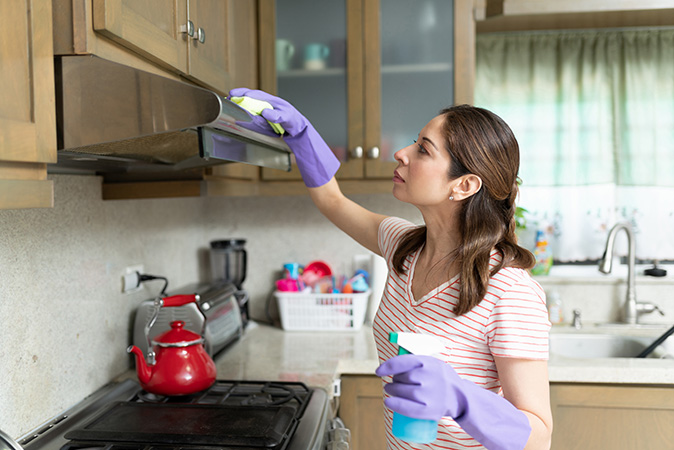
Another advantage of a Sunday afternoon open house is that sellers have Saturday to get ready. How to prepare for an open house? It starts with a thorough deep cleaning of all rooms, decluttering living spaces, and sprucing up your curb appeal. Your agent may have additional recommendations. In winter, many sellers with fireplaces light fires in them to create a cozy ambiance, or open windows in summer to let in fresh air. Baked cookies create a homey scent, and candles add sparkle.
Do Open Houses Help Homes Sell Faster?
The answer is more complicated than a simple “yes” or “no” when it comes to open houses helping homes sell fast. According to the National Association of REALTORS® 2024 Profile of Home Buyers and Sellers (PDF), many buyers still attend open houses and view an average of seven properties before purchasing. However, only around 3% of buyers visited open houses as their first step in the homebuying process. Instead, they’re viewing homes online and then touring the ones they like best.
While open houses can boost visibility and create a sense of urgency (often signaling a motivated seller), how frequently you host them matters. Having an open house when your property first hits the market is common, yet hosting them week after week can have drawbacks. Repeated open houses may signal to buyers to look at other properties, thinking your home has:
- Underlying issues, such as outdated interiors
- Overdue repair work
- An undesirable location
Who Is Coming to Your Open House?
One of the most stressful aspects of hosting an open house is that it’s essentially inviting strangers into your home while you’re not there. Besides potential buyers, open houses can attract casual visitors, such as people who are simply walking down your street, notice an “Open House” sign, and stop in, as well as curious neighbors.
While open houses can attract unrepresented buyers (those who have not yet secured a real estate agent), these buyers are typically earlier in the process and less committed. Serious buyers do attend open houses, particularly during the first week a home is listed. However, as mentioned above, if a property continues to hold open houses without receiving offers, it can lead buyers to question why it hasn’t sold.
Theft and Security Issues During Open Houses
Your agent will be present at your open house, but will generally remain in the living room, kitchen, or other central area while visitors tour the property on their own. Many will open cabinets, peek into closets and other storage areas, and roam every room as they evaluate your home. For this reason, privacy is often a concern for sellers when deciding whether or not open houses are worth it.
Some agents recommend using security cameras in some areas and taking before-and-after photos in each room to check for missing items. And always make sure to stow away valuables and breakable items, as well as:
- Jewelry
- Electronics
- Personal documents
- Financial items
- Keys and garage door openers
- Prescription medications
- Anything with personal information (family photos, calendars, schedules)
- Expensive belongings
What About Private Tours?
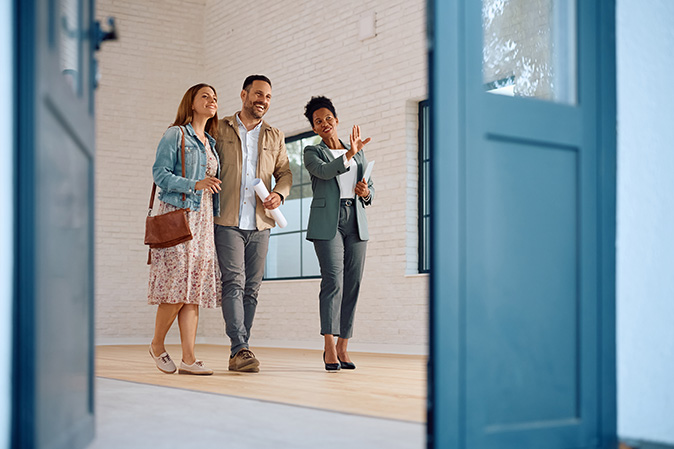
Some sellers opt for private tours instead of holding open houses. Private tours are arranged by buyers and their agents, and showings are scheduled by appointment, giving you time to clean and prepare. The upside is that only serious buyers (accompanied by their agents) are viewing your home; the downside is having to keep your home constantly show-ready for last-minute tours.
If you like the idea of private tours over open houses, keep in mind that a buyer must now formally sign an agreement with a real estate agent before touring homes privately. Because of this, some buyers may prefer the autonomy and flexibility of attending open houses rather than private tours, which could lead to an upswing in open-house attendance.
Are Open Houses Worth It?
If you’re asking yourself, “Should I have an open house?” then it’s a good idea for you and your real estate agent to have a meaningful discussion about whether an open house will benefit your selling strategy. If you can make your home sparkle for potential buyers, an open house may be an effective way to showcase it.
Enhance Your Selling Strategy with a Home Warranty
Another tool to help you sell is by asking your agent to order seller’s home warranty coverage when your home goes on the market. When a covered home appliance or system breaks during the listing period, your home warranty may help you save on repair or replacement expenses. Some issues that arise from home inspections may also be covered. Plus, once your home is sold, buyers can continue using the home warranty coverage, giving them peace of mind when covered issues arise during their first year of homeownership.
Review the seller’s coverage in your area, then look at the different coverage options available with your free quote.
FAQs About Open Houses
Are open houses worth it for sellers?
Hosting a traditional open house can have many benefits, even in today’s internet-driven real estate market. For serious buyers, they are the gold standard for viewing and evaluating properties. However, it’s important for sellers to weigh the pros and cons of open houses, including security and privacy concerns, before committing to showings.
What percentage of homes sell from an open house?
While there’s no known data at this time on the actual percentage of homes sold from an open house, the National Association of REALTORS® 2024 Profile of Home Buyers and Sellers indicates that many buyers still attend open houses and view an average of seven properties before purchasing. However, only around 3% of buyers began their home search by attending open houses. Instead, they view homes online and then tour the ones they like.
What is the best day and time to have an open house?
Sunday afternoon is generally the best time and day for an open house. Saturday is often filled with activities and errands, and Sunday afternoon offers a more relaxed environment for touring homes.
What should I remove or secure before an open house?
Because open houses bring unfamiliar visitors into your home, be sure to store away valuables, fragile items, prescription medications, electronics, personal documents, financial items, keys, garage door openers, and other important and expensive belongings.
Can a home warranty help me sell my house?
A seller’s home warranty can help your home stand out and may even help it sell faster. Coverage helps reassure buyers that the cost to repair covered appliances and systems that unexpectedly break during the listing period can be managed. A home warranty can also help manage issues that may arise at the home inspection and can even provide protection after closing.
The contents of this article are provided for general guidance only. First American Home Warranty does not assume any responsibility for losses or damages as a result of using this information.


Home Care Buzz Experts
The First American Home Care Buzz team is made up of experienced home warranty writers and editors. Our team provides valuable insights and information to help homeowners like you meet the daily challenges of homeownership.
This article is about...