
Should You Upgrade Your Electrical Outlet with a USB Port?
JANUARY 05, 2024 | Home Care Buzz Experts | 3 minute read
In today’s digital world, the standard electrical outlet with USB ports is gaining traction as a practical alternative to traditional outlets. This modern variety features built-in USB ports alongside the customary electrical sockets so that you can charge devices like smartphones and tablets. Transitioning from conventional outlets to those with USB ports reflects the contemporary needs of consumers and maybe even provides a glimpse into the future of household power. This article outlines the merits of upgrading to an electrical outlet with USB and provides a roadmap for the essential checks before making the switch.
Why Upgrade to Electrical Outlets With USB Ports?
Upgrading to electrical outlets with USB ports has several perks, making the transition worth considering. Here’s why you might want to make the switch:
- Convenience: No more hunting for adapters or occupying multiple outlets with charging stations. Just plug your devices directly into the USB port for fuss-free charging.
- Cost-efficiency: Even though there’s a small upfront cost, you save by not purchasing multiple chargers in the long run.
- Space-saving: Free up your electrical outlets for other appliances by charging from USB ports integrated into the outlet.
- Enhanced aesthetics: Modern USB outlets are designed with sleek appearances, adding a touch of minimalist modernity to your living or home office space.
- Energy efficiency: Some USB fast charging outlet models feature smart technology that minimizes energy waste by cutting off power when not in use.
An added perk? With warranty coverage for electrical systems from First American, unexpected malfunctions may be covered. It can be an added layer of protection on top of the benefits mentioned.
Check This Before You Make the Switch
It’s wise to ensure the existing electrical setup is compatible with this upgrade before installing USB outlets in homes. Here are some tips to help guide you:
- Verify electrical current: Use a voltage tester to ensure electricity reaches the outlet you’d like to replace. A red indicator signals an active current.
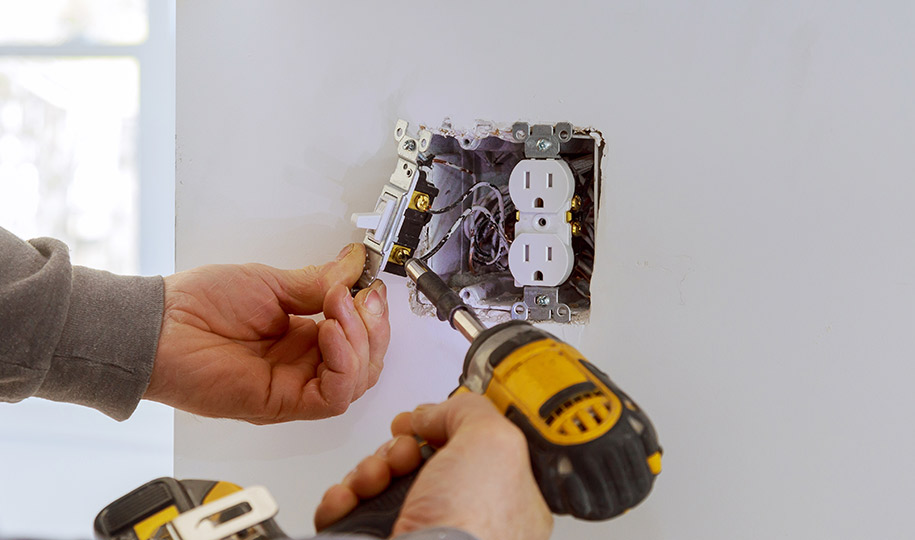
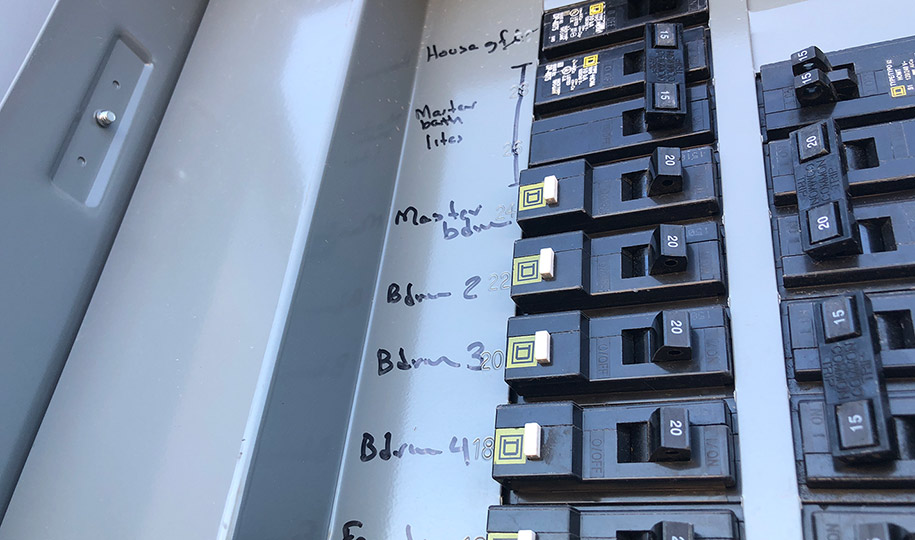
- Inspect junction box size: Turn off the power at the circuit breaker. Remove the outlet’s faceplate and unscrew the receptacle from the junction box to check if it has the required depth of about 3 inches to fit the bulkier USB outlet.
- Consult a professional: If you’re unsure about the installation process, it’s advisable to consult a professional electrician. Moreover, adhere to local electrical codes and regulations to ensure a safe and compliant installation.
The Best Places for USB Outlets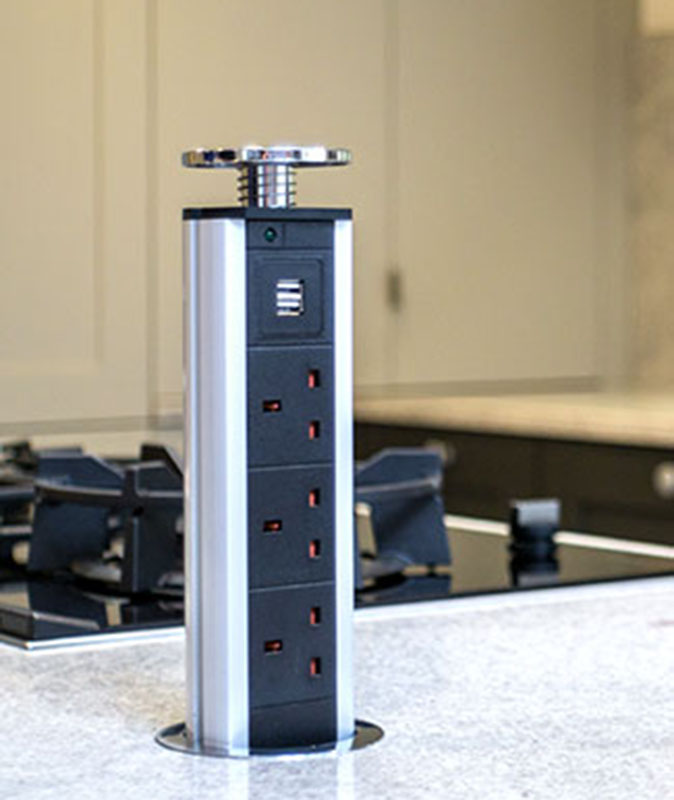
Identifying the ideal locations for your new outlets is crucial to reap the maximum benefits. Consider installing a power outlet with USB in the following areas:
- Bedrooms: On nightstands for charging phones and other gadgets overnight.
- Kitchens: Adjacent to countertops, provided you’re not replacing GFCIs.
- Living rooms: By entertainment areas or close to seating areas.
- Guest rooms: Near the sleeping area or nightstands for the convenience of your guests.
- Home offices: Close to desks to keep your devices charged during work hours.
- Garages: By tool benches, ensure the USB outlets have port covers to prevent collecting dust and debris.
Although outdoor installations are currently not advisable due to the National Electrical Code (NEC) requirements for GFCI outlets outdoors, you may find the benefits of a home warranty substantial when upgrading indoor electrical systems.
Estimated Cost Breakdown
If you’re looking to upgrade your electrical outlets, here’s an idea of what your project may cost:
- USB outlet receptacles: $20-$40 per unit.
- Electrician fees: $50-$100 per hour (if installed by a pro).
- Additional materials: $10-$20 for items like voltage testers and other tools.
- Permit fees: Varies by location, typically $50-$200.
- Total cost: For DIY, around $30-$60 per outlet. For professional installation, around $130-$360 per outlet.
Note: Prices are approximate and may vary based on location, brand, and individual electrician rates.
For more in-depth information about different types of USB outlets and how to choose the right type for your home, refer to our USB Outlet Buying Guide.
Switching to electrical outlets with USB ports is a logical step towards modernizing your home and better accommodating your digital needs. The convenience, cost-efficiency, and aesthetic appeal they offer, coupled with the relatively simple installation process, make this upgrade well worth considering for contemporary homeowners.
The contents of this article are provided for general guidance only. First American Home Warranty does not assume any responsibility for losses or damages as a result of using this information.
Please be aware that if you disassemble a covered system or item, it can invalidate your home warranty or manufacturer's warranty.

Keep Reading





Home Care Buzz Experts
The First American Home Care Buzz team is made up of experienced home warranty writers and editors. Our team provides valuable insights and information to help homeowners like you meet the daily challenges of homeownership.
This article is about...