
Why Title Insurance Is Essential: 8 Common Title Problems Explained
NOVEMBER 19, 2025 | Home Care Buzz Experts | 4 minute read
If you’re a first-time home buyer, you may wonder, “What is title insurance for buyers and why do I need it?” The fact is, although your home may be new to you, every property has a history (unless, of course, it’s newly built). A thorough title search can reveal who owned your home before you, with records potentially going back decades depending on the age of the property you’re buying.
Why is title insurance necessary? Typically added to your closing costs when you purchase a home, title insurance for home buyers protects you from title problems that may become known after you close on your property.
So, what does title insurance cover? Read on to learn about eight common title issues associated with home purchases and how title insurance can help.
1. Errors in Public Records and Documents
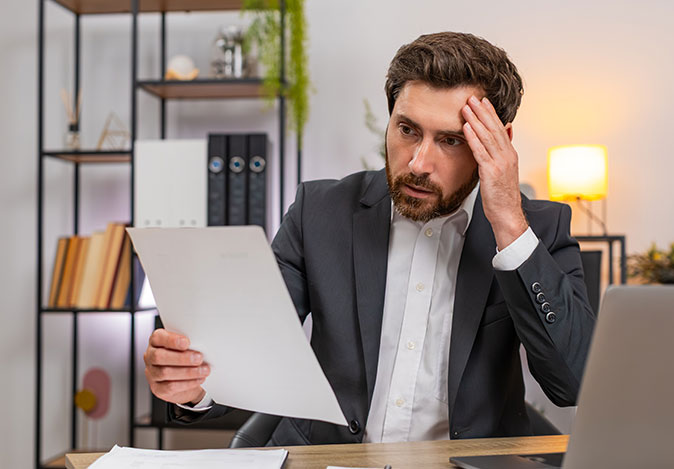
To err is human, but when it affects your homeownership rights, those mistakes can be devastating. Clerical or filing errors could affect the deed or survey of your property, and resolving them could cause financial strain. When this happens, title insurance steps in to help cover legal costs and other losses associated with the errors.
2. Unknown Liens
A lien is a legal claim on a property that lets a creditor collect payment if the property owner doesn’t pay a debt. This can happen if a previous owner didn’t pay a contractor for a home remodeling project or neglected to pay their property taxes. And even though the former debt is not your own, banks or other financing companies can place liens on your property for unpaid debts, even after you have closed on the sale.
A lien is often the most common title problem that new homeowners encounter. It remains with the property until it’s paid, which is where title insurance for homebuyers comes in. It covers the cost of resolving the issue by paying off the lien and/or by defending against any claims that could threaten your homeownership rights.
3. Invalid Deeds
While the chain of title on your property may appear perfectly sound, it's possible that a prior deed lists someone who is reported single but in actuality is married, or is an undocumented immigrant, a minor, or a person of unsound mind. In this case, the deed could be considered invalid. In another example, a signature on a past deed may have been signed improperly, also negating the deed. All of these instances may affect the enforceability of prior deeds, potentially impacting prior (and possibly current) ownership.
4. Boundary and/or Survey Disputes
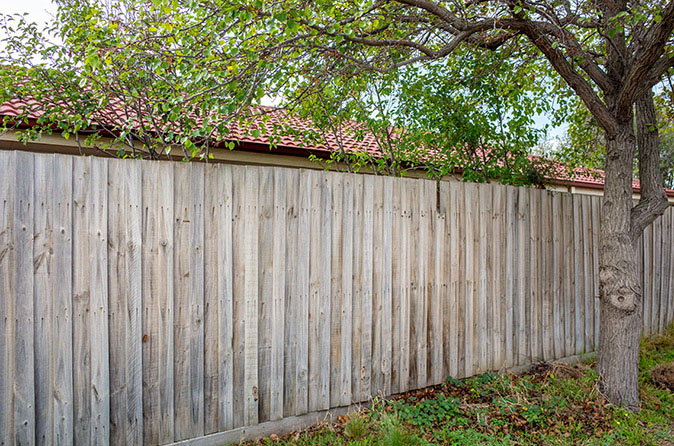
You may have seen several surveys of your property before purchasing it; however, other surveys may exist that show different boundaries. Consequently, a neighbor or other party may be able to claim ownership of a portion of your property. For example, you might discover that a neighbor’s shed, fence, or other outdoor structure extends past the boundary line onto your land.
5. Undiscovered Encumbrances
Encumbrances are rights that others may have to your property that can limit how you use, sell, or transfer it. At the time of purchase, you may not know that a third party holds a claim to all or part of your property — due to a former mortgage or lien, or non-financial claims, like restrictions or covenants limiting the use of your property. For example, there could be restrictions limiting the types of animals that can be kept on your property.
6. Unknown Easements
While encumbrances are claims on a property that impact your ownership rights, easements are a specific kind of encumbrance that grant someone else the right to access all or portions of your property for their own use. For example, easements could allow government agencies, businesses, or other parties to use your property, or give a neighbor the right to access part of your property for parking. While they are usually non-financial issues, easements can still affect your right to enjoy your property.
7. Undiscovered Wills and Missing Heirs
When a person dies, the ownership of their home typically passes to their heirs or those named in their will. However, these beneficiaries are sometimes missing or unknown at the time of death. Years after you’ve purchased your home, they could resurface and try to reclaim their rights to your property.
Sometimes, a property owner dies without an apparent will or heirs, and the state generally sells the assets, including the home. However, years later, the deceased owner's will may come to light, and your rights to the property may be jeopardized if previously unknown heirs lay claim to it.
8. False Impersonations and Forgeries
Forged or fabricated documents that affect property ownership may be filed within public records, obscuring the rightful ownership of the property. Criminals may impersonate an owner and forge their name on a deed to sell the property and steal the proceeds. Once these forgeries surface, your rights to your home may be in jeopardy.
Common and similar names can make it possible to falsely "impersonate" a property owner. If you purchase a home that was once sold by a “false owner,” you can risk losing your legal claim to the property.
Play It Safe with Title Insurance for Home Buyers
When you buy a home, make sure you're protecting your investment with title insurance. It simplifies the closing process, safeguards your ownership rights, and helps you avoid potentially costly legal issues.
Another way home buyers can play it safe is by adding a home warranty to their purchase. Home warranty coverage helps safeguard household budgets from costly repairs and replacements when covered home appliances and systems break. New home buyers often face numerous expenses, especially in the first year or two of ownership, and home warranty coverage can be a great financial help.
Get a free quote today and discover more about our comprehensive coverage and the many benefits it offers.
Home Buyer Resources
If you’ve been researching title insurance to better understand how it fits into the home-buying process, you may be interested in these helpful articles, too:
Everything You Need to Know About Title Insurance
The Complete Home-Buying Guide: 15 Steps to Buying a House
Tips for Choosing Your Ideal Mortgage Lender | First American
What Are Prepaid Costs When Buying a Home?
10 Questions to Ask Your Home Inspector During Inspection
Final Walkthrough Checklist Before Closing | Essential Homebuyer Tips
Real Estate Closing: The Homebuyer's Complete Guide
The contents of this article are provided for general guidance only. First American Home Warranty does not assume any responsibility for losses or damages as a result of using this information.



Keep Reading







Home Care Buzz Experts
The First American Home Care Buzz team is made up of experienced home warranty writers and editors. Our team provides valuable insights and information to help homeowners like you meet the daily challenges of homeownership.
This article is about...