
How to Pay Off Your Mortgage Early, and Whether You Should?
MARCH 07, 2024 | Home Care Buzz Experts | 6 minute read
Owning a home has been a major goal for most Americans for decades. In fact, a recent survey showed that 84% of Americans think of home ownership as part of the American Dream. But with the rising cost of living, owning and paying for a house can become more challenging. So we've put together a guide on how to pay off your mortgage faster — and we'll also cover why that's sometimes not in your best interest. But first, let's go over the basics of mortgage lending for those new to homeownership.
Understanding Your Mortgage
Knowing how a mortgage works is necessary for anyone looking to buy a home or manage an existing home loan. Here are a few fundamental components you should understand:
Principal
This is the amount of money you borrow to buy your home. For example, if you purchase a house for $450,000 and make a down payment of $50,000, the principal would be $400,000. Over the life of your mortgage, part of your monthly payment goes toward paying down this amount. (We'll cover where the rest goes shortly).
Interest
Interest is the additional fee you pay to the lender in exchange for borrowing money, and it's calculated based on a percentage of your principal loan amount. Interest rates vary based on many factors, such as the economy, your credit score, and the type and length of loan you choose. A portion of each monthly mortgage payment goes toward paying off the interest.

Term
A mortgage term is simply the time you have to repay the loan. Common terms for home loans are 15, 20, and 30 years. Shorter-term mortgages often have lower interest rates with higher payments, and longer-term mortgages can have higher interest rates with lower monthly payments.
Escrow
Your mortgage lender often sets up an escrow account to help pay for property-related expenses such as property taxes, HOA fees, or homeowners insurance. The lender collects a certain amount as part of your monthly payment and then pays those expenses from your escrow account. Mortgage companies often require a minimum sum to be stored in the account.
Related: Find more real estate tips in our blog.
Monthly Payment
Your monthly mortgage payment is made up of the categories mentioned above and depends on your loan amount, interest rate, and term. If you have a fixed-rate mortgage, your payments will stay the same over the life of the loan. But if you've chosen an adjustable or variable-rate mortgage, your monthly payments could change as interest rates fluctuate. Read all your mortgage documents thoroughly to know if your payment could vary, under what conditions, and by how much.
Related: Credit Score Needed to Own a Home
Pros and Cons of Paying Off Mortgages Early
Paying off your mortgage early to save money may seem like a no-brainer, but you may be surprised to learn it's not always the best choice for your finances. Let's cover the pros and cons of early payoff to help you answer the question, "Should I pay off my mortgage early?"
Pros of Paying Off Your Mortgage Early
- Save on interest: Interest accrues over time, so the earlier you pay off your mortgage, the more you'll save on interest payments. This could result in thousands of dollars of savings over the life of the loan.
- Gain equity: Paying off your mortgage early means you are the full owner of your home — and that equity can be leveraged toward your financial security.
- Reduce stress: Financial stress is a major contributor to stress levels. In fact, 73% of Americans say finances are their number one source of stress. Paying off your mortgage early means you can use your monthly payment amount on other expenses, to pay off other debt, or for long-term savings.
- Lower risk: When your mortgage is paid off, you can rest easier knowing your home is safe in your own hands. When you own 100% of your home, there's no risk of foreclosure from your lender or consequences from late payments, which means you can feel more secure in challenging financial times.

Cons of Paying Off Your Mortgage Early
- Opportunity cost: If you're investing a large sum each month in paying off your mortgage early, you could be losing out on potential earnings from other investments. Consider your interest rate compared to the growth rates of investment opportunities when deciding. For example, if your mortgage interest rate is 2.7%, it might make better long-term financial sense to put that extra money in an investment that will earn 5% interest.
- Liquidity concerns: Putting large amounts of money toward your mortgage each month means less cash on hand for emergencies. Holding off on early mortgage payments may be a good idea if you don't have a substantial emergency fund.
- Tax considerations: In most cases, mortgage interest is a tax deduction up to a certain amount. The interest you pay on your mortgage can be deducted from your total mortgage balance at the end of the tax year. Paying off your mortgage can reduce these benefits, but the impact varies considerably based on your situation.
- Prepayment penalties: Some mortgages come with prepayment penalties, which can make paying off your mortgage early more expensive. Carefully read your mortgage agreement to ensure you won't be penalized for making extra payments or paying it off early with a lump sum.
Strategies for Early Mortgage Payoff
If you've decided paying off your mortgage early is in your best interest, there are several methods you can implement to make that happen. We'll share a few of them to get you started:
Make Extra Mortgage Payments
This one may seem simple and obvious, but there are a few ways to go about it. First, you can switch to biweekly instead of monthly payments. You can pay a half payment every other week, and since some months have more than four weeks, you'll end up paying extra on your mortgage — sometimes up to a whole month's worth of additional payments each year.
You can also make extra mortgage payments toward your principal loan amount. You can do this by adding a fixed amount to every monthly payment. Confirm with your lender that any extra payment you submit is applied to the principal amount.
Or you can simply make an additional full payment at another time during the year. You may need to work with your loan servicer to learn how to do this.
Refinance
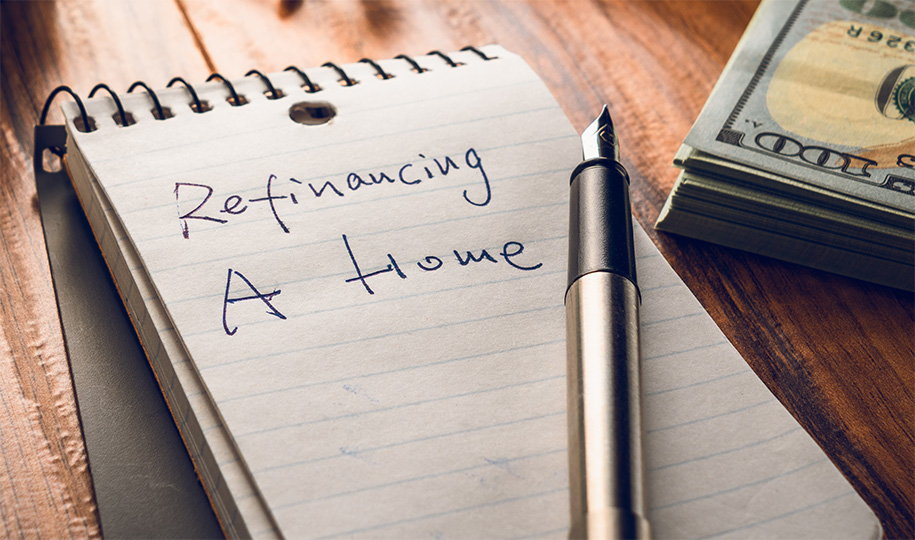
Refinancing to a shorter term can be a great option, especially if you've already paid off a portion of your mortgage. Shortening your loan term can result in a higher monthly payment and lower interest paid over the life of your loan.
Lump-Sum Payments
You can make a large payment directly toward your mortgage principal — a great option if you've received a windfall like a tax refund, bonus, or inheritance. This can substantially reduce the interest paid over your loan term and result in an earlier payoff date.
When considering a large lump-sum payment, it can be worthwhile to ask whether your loan can be “recast.” That’s when the lender reamortizes your new, lower balance under the original term and interest rate. This can reduce your remaining payments and interest and may be a better choice than refinancing.
Budget Adjustments
Adjusting your budget may require more sacrifice than some of the other options mentioned, but in the long run, it can truly pay off and save you money. Cut expenses in areas you find unnecessary overspending — maybe this looks like eating out less, going to the movies less often, or purchasing a used car instead of a new one. You can also look into ways to increase your income, like freelance work, part-time work, or pursuing career advancement.

Apply for Mortgage Assistance
Are you wondering how to lower mortgage payments on your home? Some government or lender programs can help reduce your interest rate and monthly payment, making it easier to pay extra toward your loan’s principal. Learn more from the Federal Housing Finance Agency.
Related: More Homeowner Tips
Protect Your Investment with a Home Warranty
Whether you're a new homeowner or have been making mortgage payments for years, a home warranty from First American can help save you money when unexpected breakdowns occur. Protecting your home's appliances and systems also means protecting your budget, which helps make paying off your mortgage early possible. Ready to get coverage? Get a quote today, or check out our home warranty guide for new home buyers.
The contents of this article are provided for general guidance only. First American Home Warranty does not assume any responsibility for losses or damages as a result of using this information.







Home Care Buzz Experts
The First American Home Care Buzz team is made up of experienced home warranty writers and editors. Our team provides valuable insights and information to help homeowners like you meet the daily challenges of homeownership.
This article is about...