
Home Warranty at Closing: Is It Required and What to Know
OCTOBER 01, 2026 | Home Care Buzz Experts | 5 minute read
Blog Summary
A home warranty at closing isn’t required, but it can provide many benefits for new homeowners, including budget protection and peace of mind.
Home warranty coverage can help safeguard your budget from repair and replacement costs when covered items unexpectedly break from normal wear and tear.
The home warranty cost at closing can be paid by the buyer, seller, or sometimes the real estate agent.
When you’re buying a home, you’re faced with dozens of costs, deadlines, and decisions, so it’s natural to wonder, “Is a home warranty required at closing?” While it’s not required, many home buyers include a home warranty at closing because it provides financial protection when covered appliances and home systems break down unexpectedly. Read on to discover the benefits home warranties offer, how coverage works, and who pays for a home warranty at closing.
The Value of a Home Warranty
For many first-time home buyers, the real value of a home warranty comes from the budget protection, convenience, and peace of mind it offers. A First American home warranty plan provides a simple repair/replacement solution when covered items break, helping you keep your household running smoothly. You don’t have to spend time and effort finding help on your own, and our service request process gives you a convenient way to have covered items repaired or replaced.
System and appliance breakdowns can happen at the worst possible times, making home warranty coverage a reliable safety net. Our claims process is quick, easy, and straightforward:
- When a covered appliance or system breaks, simply submit a claim 24/7 via phone or online.
- We’ll assign a prescreened independent service provider from our network who will schedule an appointment to diagnose the issue.
- Once coverage is confirmed, your broken item will be fixed. If it can’t be repaired, we’ll replace it.*
Home Warranty vs. Homeowners Insurance
Do you need a home warranty? You may not, and sometimes home buyers will decline a home warranty, because they believe their homeowners insurance will cover broken home appliances and systems. However, understanding the difference between a home warranty vs. home insurance could potentially save you hundreds or even thousands of dollars, because they cover different things.
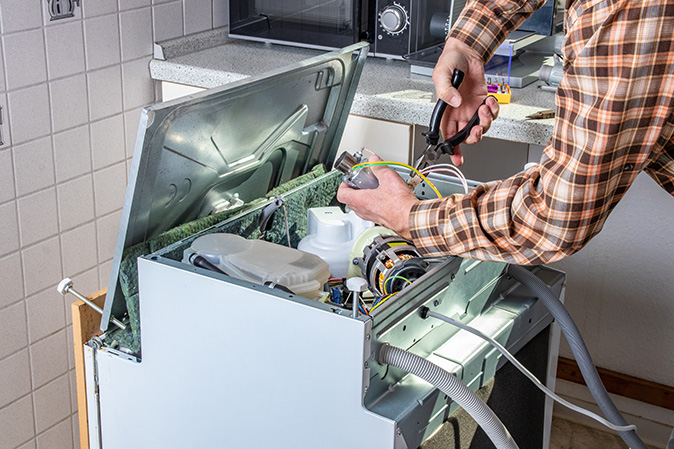
Homeowners insurance covers damage and loss from natural disasters such as fires, storms, and floods, as well as vandalism, theft, and other major events. A home warranty, on the other hand, protects your budget from repairs and replacements on covered household items you use every day, such as your dishwasher, refrigerator, washer and dryer, plumbing and electrical systems, and more.
For example, if your heater or air conditioning system suddenly malfunctions, your homeowners insurance probably won’t help, but your home warranty could. Because of these differences, many homeowners choose to have both homeowners insurance and a home warranty as part of their overall home protection plan.
Benefits of Buying a Home Warranty at Closing
While not required, there are good reasons why many buyers include a home warranty during the closing process:
- Instant security: When purchased through a real estate transaction, a First American buyer’s home warranty plan starts on closing day, providing budget protection for covered items that were in good working order at closing. With a buyer’s home warranty plan, no waiting period is required for submitting claims.
- Protection from costly repairs: Furnaces, plumbing systems, and appliances like dishwashers and ovens can fail suddenly. A home warranty can help cover the cost of repairs and replacements, reducing unexpected expenses.
- Budget stability: Closing costs, moving expenses, and furnishing a new residence can drain household finances. A home warranty plan can help protect household budgets from additional stress — and plans can be renewed annually for year-after-year peace of mind.
- Convenience: Many home warranty companies, like First American Home Warranty, have vast networks of prescreened technicians at the ready, so homeowners don’t have to search for help on their own.
These benefits can be especially valuable for first-time homeowners who may not have the extra savings on hand to pay for unexpected repairs or replacements.
Who Pays for a Home Warranty at Closing?
If a home warranty isn’t required at closing, who covers the cost when it’s included at closing? The answer depends on your specific transaction and where you are in the home closing process.
- Agent-provided coverage: In some cases, a real estate agent will gift a home warranty to a client as a housewarming gesture.
- Buyer-paid coverage: Buyers can choose to pay the home warranty cost at closing (by rolling it into their closing costs) or pay it separately upfront.
- Seller-paid coverage: Sometimes sellers add home warranty coverage when their home is on the market. Seller’s coverage, as it’s commonly called, can help add value to a listing and protect a seller’s budget from covered repairs and replacements while their home is for sale.
Seller’s coverage is actually a component of the buyer’s home warranty plan. At First American Home Warranty, when a home with seller’s coverage is purchased, the buyers continue the home warranty coverage. The home warranty contract is updated with the buyer’s information, and they can add any additional coverage upgrades or options they want, and/or even select a different First American home warranty plan if desired.
For many buyers, sellers, and their real estate agents, the reassurance that covered breakdowns can be repaired or replaced can make the home-closing process easier and the transition into homeownership smoother and more affordable.

Can you buy a home warranty after closing? Learn how to buy a home warranty if it’s been less than 60 days since you closed on a property.
Home Warranty Protection When You Need It
Although a home warranty at closing is not required, coverage can be a smart way to protect your budget when covered appliances and systems inevitably fail.
When you buy a First American home buyer’s warranty at closing, your coverage starts on closing day, offering protection for the home appliances and systems that are in good working order when your plan begins. These household items aren’t built to last forever, and they’ll inevitably malfunction. When they do, your home warranty can be a great financial help.
Ready to protect your home? Learn more about what’s covered, and get a free quote today.
Read about the exclusive member benefits that come with our home warranty coverage.
FAQs About Buying Home Warranties
Is a home warranty required at closing?
While a home warranty at closing isn’t required, home buyers often purchase a home warranty plan at closing (also called a real estate home warranty) because it offers budget protection and peace of mind right when homeownership begins.
Does a home warranty at closing have a waiting period?
With a First American real estate home warranty, no waiting period is required. Coverage starts on Day 1 for covered items that are in good working order when your plan begins, and you can immediately start submitting claims and enjoying the member benefits that are available to you.
Who pays for a home warranty at closing?
Sometimes, real estate agents will gift home warranties to their clients. Most often, the home warranty cost at closing is paid for by the buyers. Sometimes, during negotiations, the sellers may agree to pay for it.
Can a home warranty be transferred to a buyer at closing?
At First American Home Warranty, once a home with seller’s home warranty coverage is purchased, the seller’s real estate agent updates the home warranty contract with the buyer’s information, and the buyer continues the coverage. At that time, the buyer can add any desired coverage upgrades and options or choose a different First American home warranty plan.
*In some instances, Homeowner and First American may agree to payment of cash in lieu of repair or replacement. Payment will be made based on First American’s negotiated rates with its suppliers, which may be less than retail. Please review the sample contract for specific coverage, terms and limitations.



Keep Reading










Home Care Buzz Experts
The First American Home Care Buzz team is made up of experienced home warranty writers and editors. Our team provides valuable insights and information to help homeowners like you meet the daily challenges of homeownership.
This article is about...