
Common Issues for Condo Living: A Comprehensive Guide
OCTOBER 11, 2024 | Home Care Buzz Experts | 5 minute read
Condo living offers a unique lifestyle compared to owning a single-family home. Condos are typically part of larger buildings with shared walls, floors, and ceilings, placing you close to your neighbors. Common amenities include gyms, pools, and security services, and the homeowners association (HOA) handles the maintenance of common areas.
Despite these benefits, buying a condo can have its downsides. For example:
- Noise and privacy concerns
- HOA rules and fees (these can impact your design choices and budget)
- Space and storage limitations
- Confusion around maintenance and repair responsibilities
Let's take a closer look at some of the most common issues for condo living, and how you may be able to address them.
Related: Home Warranties for Rental Properties
Noise and Privacy with Condo Living
Condo living offers a strong sense of community, but at times, you may want more privacy.
Noise Issues in Condos
Sound travels easily in condos, so you may hear footsteps, conversations, or loud music from adjacent units. This can be particularly bothersome if you have neighbors who keep different hours or frequently host gatherings.
Noise Solutions
One approach is to soundproof your condo with rugs, curtains, and furniture that help absorb sound. You could also install weather stripping around doors and use draft stoppers to minimize noise. If the noise persists, it might help to politely communicate with your neighbors—they may not be aware of the issue. If that doesn’t work, the HOA might be able to mediate and enforce noise regulations.
Privacy Concerns
Maintaining privacy in a condo is another challenge. Shared hallways and entrances mean you have less control over who can access areas near your home.
Privacy Solutions
To enhance privacy, consider installing blinds or curtains that provide coverage without sacrificing natural light. If allowed, you can also install a video doorbell or security system.
Homeowners Association (HOA) Rules and Fees
Living in a condo means adhering to the rules and regulations set by the Homeowners Association (HOA). Understanding these guidelines can make for a more harmonious condo living experience.
Understanding HOA Regulations
Wondering what to know before buying a condo? Check out the HOA's rules, which may include:
- Restrictions on exterior modifications, such as painting or landscaping
- Limitations on noise levels and quiet hours
- Pet policies, including breed and size restrictions
- Rules regarding the use of common areas and amenities
- Parking regulations for residents and guests
It's important to read and understand the HOA bylaws before purchasing a condo to ensure you can comply with the community's standards.

Managing HOA Fees
HOA fees are collected to cover the maintenance of common areas and shared amenities. These fees can vary widely based on the services provided. Typical uses of HOA fees include:
- Landscaping and grounds maintenance
- Upkeep of amenities such as pools, gyms, and clubhouses
- Security services and building insurance
- Reserve funds for major repairs and upgrades
To manage these fees:
- Budget for monthly and annual fees in your financial planning
- Attend HOA meetings to stay informed about how funds are being used
- Review financial statements and ask questions about any increases or special assessments
Dealing with Conflicts
Conflicts with the HOA are among the most common issues for condo living. To handle these conflicts:
- Communicate clearly: Express your concerns in writing and provide specific examples.
- Follow procedures: Understand the HOA's process for addressing complaints and follow it step-by-step.
- Seek mediation: If direct communication doesn't resolve the issue, consider mediation services to help reach a fair resolution.
- Legal recourse: As a last resort, consult with a legal professional to understand your rights and options.
Being proactive and informed about HOA rules and fees can help you navigate condo living more smoothly and ensure a positive experience in your community.
Limited Space and Storage
Condo living often requires adjusting to smaller spaces and finding creative storage solutions. Here are some ways you can make the most of your condo space.
- Use multifunctional furniture: Opt for multi-purpose furniture, such as a sofa bed, an ottoman with storage, or a dining table that doubles as a workspace.
- Vertical storage: Utilize vertical space by installing shelves, hanging storage units, and tall bookcases.
- Declutter regularly: Keep only what you need and use regularly. Finding innovative storage solutions can also be helpful in a smaller space. Try these ideas:
- Under-bed storage: Store seasonal clothing, shoes, or extra linens in storage bins or drawers under your bed.
- Over-the-door organizers: Hang organizers on the back of doors for shoes, accessories, cleaning supplies, or pantry items.
- Furniture with built-in storage: Choose pieces like beds with drawers, coffee tables with storage compartments, or benches with hidden storage to keep items out of sight.
Maintenance and Repairs
Maintaining a condo involves understanding the shared responsibilities between individual owners and the HOA.
Shared Responsibility
In a condo, maintenance responsibilities are often divided between individual owners and the HOA. Here's a general breakdown:
- Individual owners: Typically responsible for the maintenance and repairs inside their units, including plumbing, electrical systems, and appliances.
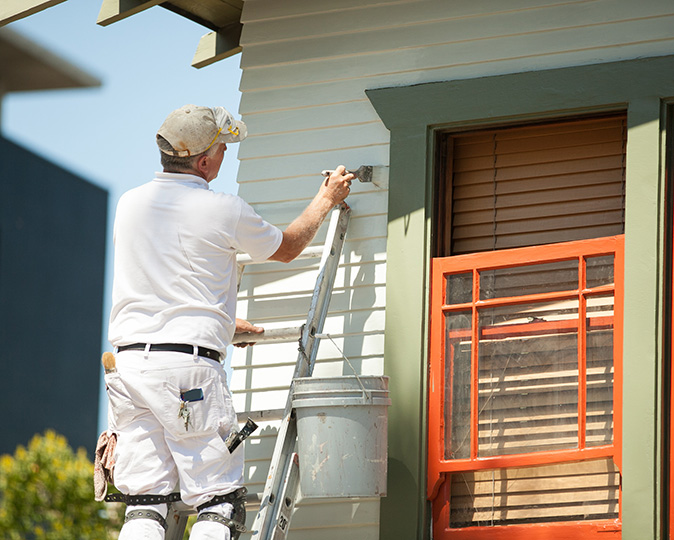
- HOA: Usually handles the upkeep of common areas such as lobbies, hallways, exterior walls, roofs, and shared amenities like pools and fitness centers.
To avoid confusion, make sure you understand which repairs are your responsibility.
Dealing with Common Areas
Maintaining common areas is a shared responsibility that requires cooperation with the HOA and other residents. To manage these areas effectively:
- Report issues promptly: Notify the HOA immediately when you notice any maintenance problems in common areas, such as leaks, broken fixtures, or safety hazards.
- Participate in HOA meetings: Attend HOA meetings to stay informed about the status of common area maintenance and upcoming projects.
- Respect shared spaces: Contribute to the upkeep of common areas by cleaning up after yourself and following community rules.
Understanding What the HOA Covers
Common areas typically covered by the HOA include:
- Building exterior: Maintenance of the roof, exterior walls, windows, and doors.
- Landscaping: Upkeep of gardens, lawns, and outdoor common areas.
- Shared amenities: Maintenance and repair of pools, gyms, clubhouses, and other shared facilities.
It's important to check with your HOA since these details can differ.
Home Warranty for Condos
What is a home warranty? While your HOA takes care of maintenance outside your unit, a home warranty can cover you from unexpected breakdowns of the systems and appliances inside. First American offers coverage for different home types (including condos), so you can relax knowing your budget is protected from unexpected repair and replacement costs.
Check out how your home warranty service process works, or get a free quote today!
FAQs About Condo Living
What is the downside to living in a condo?
Living in a condo has downsides, including potential noise and privacy issues due to shared walls and the restrictions and fees imposed by the HOA.
Is it worth living in a condo?
Yes, living in a condo can be worth it for the convenience, amenities, and lower maintenance responsibilities, especially if you value a community atmosphere and urban living. Warranty coverage from First American can add even more value to your condo lifestyle by handling repairs and replacements when covered items break down.
Is it practical to live in a condo?
Yes, living in a condo is practical, particularly for those who prefer a low-maintenance lifestyle, access to shared amenities, and a location close to city centers or workplaces.
The contents of this article are provided for general guidance only. First American Home Warranty does not assume any responsibility for losses or damages as a result of using this information.
Please be aware that if you disassemble a covered system or item, it can invalidate your home warranty or manufacturer's warranty.








Home Care Buzz Experts
The First American Home Care Buzz team is made up of experienced home warranty writers and editors. Our team provides valuable insights and information to help homeowners like you meet the daily challenges of homeownership.
This article is about...