
6 Tips to Help You Craft the Perfect Meal on a Gas Stove
JULY 05, 2024 | Home Care Buzz Experts | 5 minute read
To the casual chef, all stoves may seem similar. All you do is place the pot or pan on the burner, turn the knob, and turn off the stove when the food is cooked. Right? Not quite. Knowing how to cook with gas stoves vs. electric stoves involves more than just the difference between gas and electricity. Gas heating and electric heating elements cook your food in completely different ways, and knowing the benefits of gas stoves, how to use them properly, and other tips like the best pans for gas stoves can help you make the most of your time in the kitchen.
In this guide, we'll cover the basics to ensure you're using your stove to its fullest, and some gas stove hacks to help you get creative with your dishes in ways you can't with an electric stove.
Cooking on Gas Stoves vs. Electric Stoves
Part of knowing how to cook with a gas stove is knowing how gas and electric burners heat differently. Here are some things to keep in mind the next time you're cooking on a gas stove to help you get the texture and consistency you prefer:
Gas Stoves Heat up More Quickly
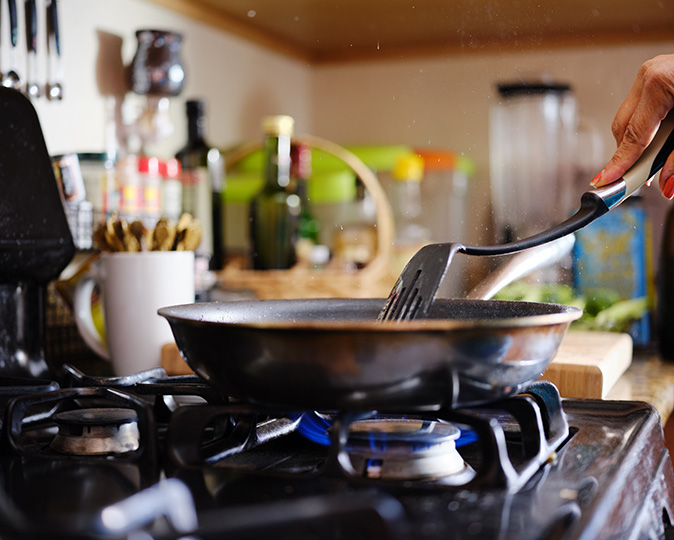
It may come as no surprise that the flame created by gas burners helps you reach the required temperature more quickly. The metal heating coil on electric stoves takes a bit longer to distribute heat, but a gas flame will begin heating your pots and pans immediately.
Gas Stoves Have More Responsive Heat
When you need to adjust the heat while cooking, gas burners can increase or decrease the heat more quickly than electric varieties. The metal coils of electric stoves retain heat longer, which means it takes longer for pots and pans to cool down.
Electric Stoves Heat More Evenly
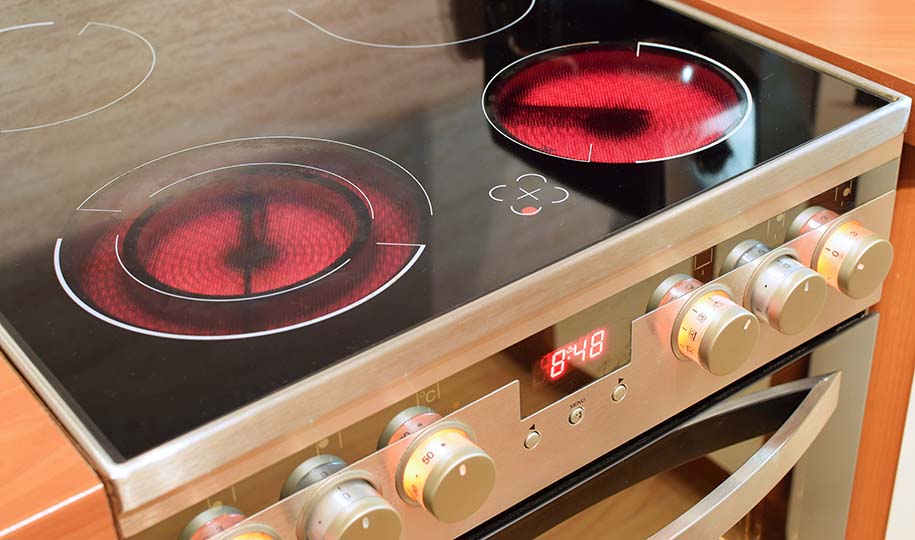
Gas stoves use a flame to heat one section of your cookware, and heat spreads from that singular spot. The metal heating elements of electric stoves provide heat more evenly to the bottom of pots and pans for a wider distribution.
Gas Burners Have More Variety
Some gas stoves feature burners with different heat outputs, all on the same stovetop. Higher-output burners are better for boiling water and searing food, while lower-output burners do a better job of simmering. Electric stove burners typically all have the same heat output regardless of size.
Gas Stoves Don't Always Require Cookware
While there aren't many foods you can cook over the open flame of your gas stove burner without making a huge mess, you can roast some things without cookware. For example, roasting marshmallows and heating tortillas over gas burners results in textures you won't get cooking these foods in a pan.
Related: Learn How Gas Ovens Work.
How to Cook with a Gas Stove
Whether you're transitioning from an electric to a gas stove or you've used one for years, here are some best practices and gas stove hacks you may not have known:
1. Buy the Right Size Pots and Pans
Gas stoves don't heat as evenly as electric ones, but you can increase the heat distribution by using pots and pans that match the size of the burners. The best pots for gas stoves are those with the same diameter as the burner you're using, which increases heating efficiency and saves time. If you use pots and pans larger than the burner grate, it will take longer for the heat to spread and may result in cold spots around the edges. If you use cookware that's too small, you'll find it heating up more quickly and at a higher temperature than you may have anticipated.
2. Keep Your Kitchen Ventilated
Even when your gas stove is functioning normally, it's a good idea to have adequate ventilation when using your appliance to reduce fumes. Igniting a gas burner can release a small amount of carbon monoxide into the air, but using the fan on your range hood or opening a window in the kitchen can help prevent these fumes from accumulating in your cooking space.
3. Check for a Flame During Ignition
One of the biggest safety checks when learning how to cook with a gas stove is ensuring that the burner ignites when the gas is turned on. If there's a problem with the igniter, gas could continuously be released into the room. Even worse, the igniter could suddenly trigger while there's gas in the room. Even when your gas stove is in good condition, always make sure that a flame appears when you ignite it.
4. Keep Matches or a Utility Lighter in the Kitchen
One of the benefits of gas stoves vs. electric stoves is that you can cook on them when the electricity in your home is out — even if it means you'll be cooking by lamp or flashlight. You'll need matches or a lighter to ignite the gas burner when the power is out. Long-reach matches — also called fireplace matches — can help prevent you from getting singed by providing a little extra distance between you and the burner.
5. Start Slow and Low
Because gas stoves heat up faster than electric models, you may want to start with a lower flame and increase it as necessary. Cranking up the flame at the start can cook the exterior of some foods too quickly, searing your meal unintentionally. While this can be ideal for searing a steak or boiling water, it can unevenly cook poultry and prevent sauteed vegetables from becoming as tender as you'd like.
6. Try Using a Griddle Pan
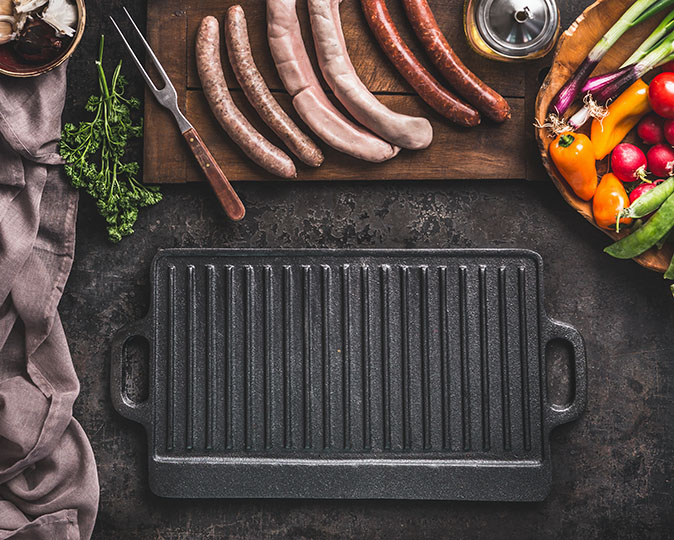
Some newer gas stoves come with a built-in griddle on the stovetop, sometimes in the center between burners. If yours doesn't have a built-in griddle, try using a griddle pan for larger meals like breakfast and hamburger cookouts. They're some of the best pans for gas stoves and normally sit across one or two burners and let you cook like they do in your local diner. Electric stoves have a harder time creating enough heat to distribute across a griddle pan, so take advantage of this unique cookware.
Best Pots for Gas Stoves
In addition to cooking with the right-sized pots for your gas stove, there are certain, more durable varieties of pots that are ideal for gas cooking. Here are some of the most compatible pots for gas stoves:
- Stainless steel
- Carbon steel
- Enameled cast iron
- Copper
- Dutch ovens
- Pots with at least five ply (layers of metal)
Best Pans for Gas Stoves
While most pot materials that are ideal for gas stove cooking apply to pans, too, there are some different materials and styles of pans that are better suited for gas stoves over electric. Here are some pans you'll want to bring home when cooking on a gas stove:
- Stainless steel
- Carbon Steel
- Copper
- Cast iron
- Woks
- Non-stick
Home Warranty Coverage for Gas Stoves
What's the biggest cost-saving gas stove hack we can provide? Buying a home warranty that covers your gas stovetop or range. Gas stoves are typically more expensive than electric models, but a home warranty from First American protects your home budget from costly repairs and replacements to gas stoves and many other appliances and systems. Coverage can protect parts like knobs, dials, racks, and more when you also keep your gas stove in good condition.
The contents of this article are provided for general guidance only. First American Home Warranty does not assume any responsibility for losses or damages as a result of using this information.



Home Care Buzz Experts
The First American Home Care Buzz team is made up of experienced home warranty writers and editors. Our team provides valuable insights and information to help homeowners like you meet the daily challenges of homeownership.
This article is about...