
There’s nothing quite like the aroma of a delicious, home-cooked meal wafting through your kitchen. Whether it’s a cozy family dinner or a festive holiday gathering, the gas range is an essential kitchen appliance many of us rely on to make incredible meals and memorable baked goods. But have you ever stopped to consider how it works and if you’re maintaining it properly?
In this ultimate guide to gas ovens, we’ll take a deep dive into the features, benefits, and functions of one of your most-used kitchen appliances. Soon, you’ll be equipped with the knowledge to master your gas oven, ensure it is performing its best, and create culinary masterpieces like a pro.
How Does a Gas Oven or Range Work?
Gas ovens and ranges come in different types, including freestanding, slide-in, wall, and drop-in models. Freestanding models are the most popular and affordable, while other models offer a more seamless and customized look. Let’s take a closer look at the different types of gas ovens:
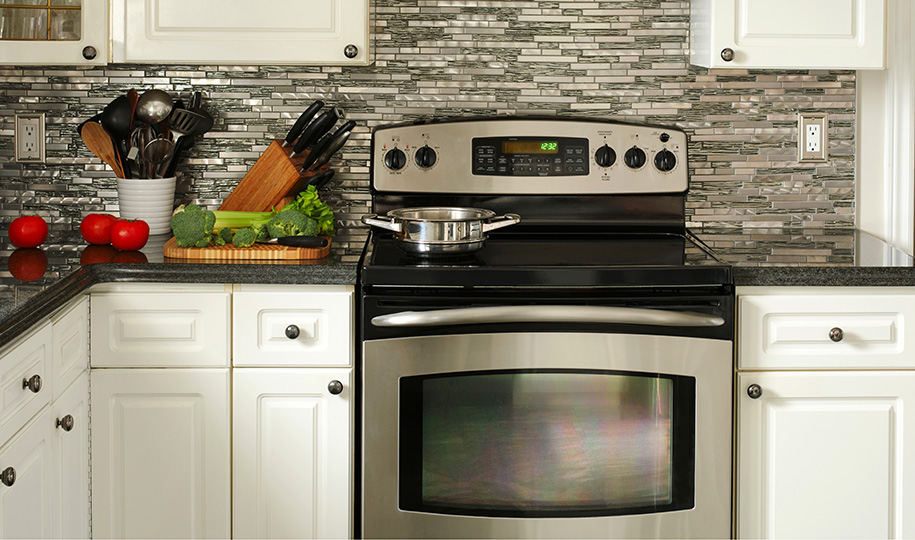
- Freestanding: These are the most popular and affordable type of gas stove. They have finished sides and back and can be placed just about anywhere in your kitchen. They often have a backsplash to protect the wall behind the stove from splatters.
- Slide-in: Designed to slide into a space between cabinets, this type of gas stove has a more customized look. Their unfinished sides are meant to be hidden by cabinets. You’ll typically find slide-in gas stoves in galley-type kitchens with cabinets bookending their unfinished sides.
- Drop-in: These are similar to slide-in models but are built into the countertop rather than between cabinets. Drop-ins are typically more expensive than freestanding and slide-in models.
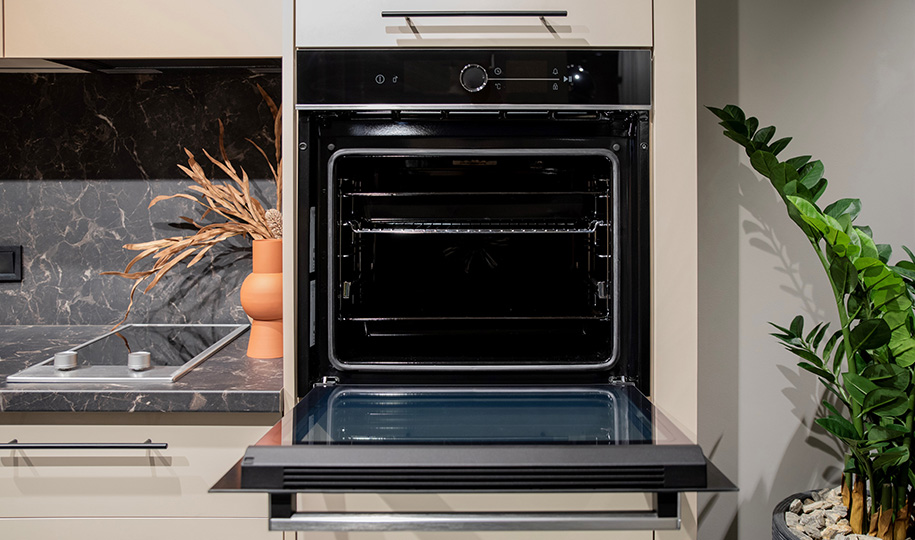
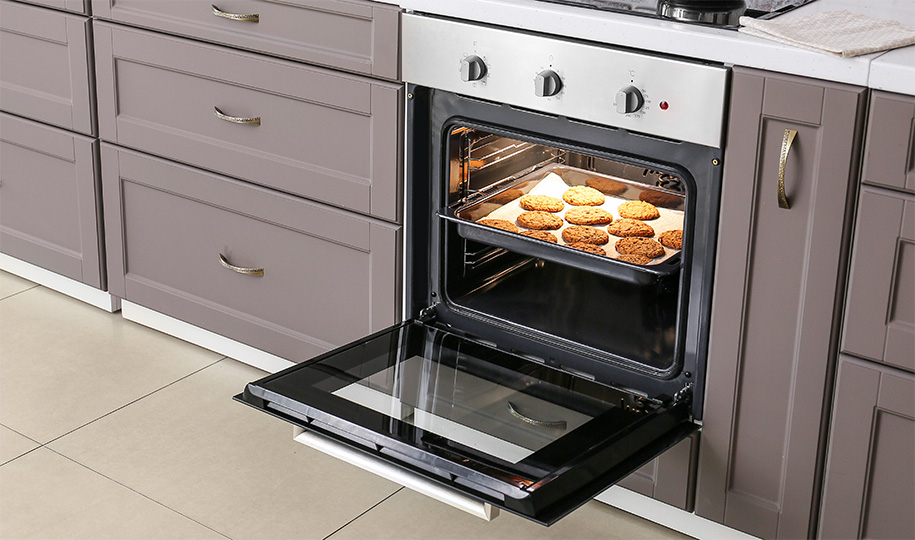
- Wall: As their name suggests, wall ovens are built flush into the wall of your kitchen and do not feature stove elements. Gas wall ovens are only sold under the “single oven” category, but sometimes feature a separate broiler compartment.
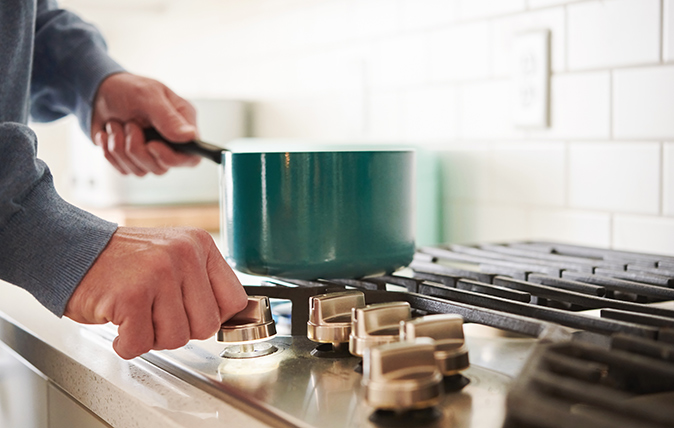
At their core, all types of gas ovens work by utilizing a gas burner, which produces a flame by igniting gas from the gas line. The burner is controlled by a knob, allowing you to adjust the heat to your desired level. This makes gas stoves popular for home cooks who enjoy more control over their cooking temperatures.
Parts of a Gas Oven or Range
While each type of stove may have its differences, they all share similar components. Understanding the parts of a gas oven or range can help you better grasp how they work. These include:
- Burners: Produce the flames and heat for cooking food
- Control knobs/displays: These allow you to adjust the heat level for each burner and the temperature for the oven.
- Broiler: Sometimes a separate compartment in the oven produces high heat for broiling food. In some models, the broiler is within a drawer on the bottom of the stove, while some higher-end models have a pop-up broiler or a unit that sits atop the main range.
Now that we know a bit more about gas oven features, let’s learn about the ignition systems and what the different colors of flame mean.
Types of Gas Stove Ignition Systems
If you’re fortunate enough to have a gas range, you should know that both the cooktop and oven can use different ignition systems. The most common types are:
- Pilot light ignition: Keeps a small flame constantly burning to ignite the gas when the burner is turned on
- Electronic ignition: This uses an electric spark to ignite the gas when the burner is turned on. Some outdoor grills use this type of ignition system as well.
- Hot surface ignition: Uses a heated metal plate to ignite the gas when the burner is turned on
The color of the flames produced by a gas range can tell you a lot about how well it’s operating. Blue flames indicate that the stove is burning efficiently, while yellow flames may indicate a problem with the burner. A yellow flame could be caused by a clogged burner or a lack of necessary oxygen. Accumulated foods or liquids typically cause both, affecting your gas oven or range’s performance and increasing your energy bill because your burner could be more efficient.
Gas Oven and Range Safety Features
While you should always use the utmost caution when cooking over an open flame or using a gas stove, many of today’s gas ranges have built-in safety features to prevent accidents and protect your home. These gas oven features include automatic shut-off, child locks, and flame sensors.
Automatic shut-off shuts off the gas supply to the stove if it senses a gas leak or if the flame goes out. Child locks prevent young children from accidentally turning on the stove, and flame sensors detect if the flame is not burning correctly, in which case they will shut off the gas supply to avoid a gas leak.
However, these safety features don’t mean you shouldn’t monitor your gas stove while cooking. You don’t have to stand in front of your oven while cooking a roast, but if you’re using the burners, you should be close by, especially if you have small children in your home that might be curious and could potentially burn themselves if they get too close.
Advantages of a Gas Oven
When it comes to ovens, you typically have two options —gas or electric. There are several benefits of gas ovens compared to electric ovens. Here are some of the advantages of using a gas oven in your home:
Faster cooking times
Gas ovens heat up and cool down quickly, producing faster cooking times. This is especially useful if you’re in a rush or cooking for a large group of people.
Produces moister heat
Gas ovens provide heat with more moisture compared to electric stoves and ranges. Moist heat can prevent certain dishes, like that Thanksgiving turkey, from drying out, and make all the difference when cooking cakes and pastries.
Better temperature control
Gas ovens offer precise temperature control, ideal for high-heat cooking techniques like searing, roasting, and baking. You can adjust the temperature of your gas oven to achieve the perfect cook on your dishes.
Energy efficiency
Gas ovens and ranges are generally more energy-efficient than electric ovens, saving you money on your energy bills. Because gas ovens heat up and cool down quickly, they don’t require as much energy to maintain their temperature.
While gas can be cheaper, depending on where you live, it does require professional installation if you don’t already have a gas line, while an electric oven just needs an appliance outlet. However, if you live in an area where power outages are common, you may have to settle for more take-out meals if you have an electric oven and range.
Choosing the Best Gas Oven or Range
If you’re considering switching to a gas stove or your current model needs to be replaced, there are some factors you should consider. Here are some things to keep in mind when choosing the best gas stove.
Size
We’ve all seen our dream oven in a catalog or an article, but when it comes to finding the right gas stove, size is everything. The size of your kitchen and the space where you plan to install the appliance will determine the stove you need. Consider the width, depth, height, and clearance required around it.
Burners
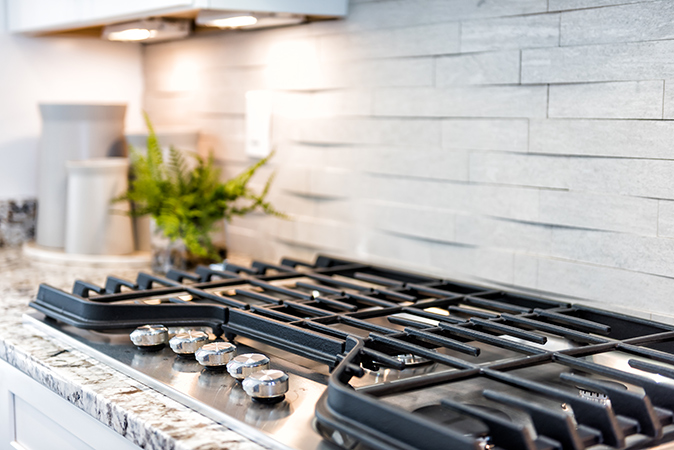
Consider the number and type of burners you need. Most gas stoves have four or five burners, but some models have six or more. Additionally, some burners are designed for specific purposes, like high-heat cooking or simmering. And some stoves have specialty burners, like griddles. Make sure you choose a model that suits the type of cooking you do the most.
Oven Capacity
The size of the oven is another important factor to consider. If you frequently cook large meals or multiple dishes at once, you’ll want a gas stove with a larger capacity or even a double oven model. On the other hand, if you have limited space or cook smaller dishes, a smaller oven might be sufficient.
Price
There is a range (no pun intended) of models and prices, so it’s important to consider your budget when selecting a new range or oven. Keep in mind that more expensive stoves may offer additional features or a longer lifespan, but you don’t want to overspend on a stove that doesn’t meet your needs. If you do a lot of cooking or entertaining, then a more expensive model might be your best bet, but if you just whip up a quick meal here and there, then go for a model that will get the job done without all the extra bells and whistles.
Additionally, don’t forget to read reviews and compare models. You’ll often find customer reviews can answer a lot of burning questions you may have about gas oven features, quirks, or common issues.
Maintaining Your Gas Stove
Gas oven, range, and stove quality have come a long way, and running the self-cleaning setting can help burn off leftovers from baking without using steel wool and a lot of elbow grease. Still, if you want to keep your gas oven performing its best and keep from having to call a repair technician, you should regularly maintain it by performing home maintenance tasks like these:
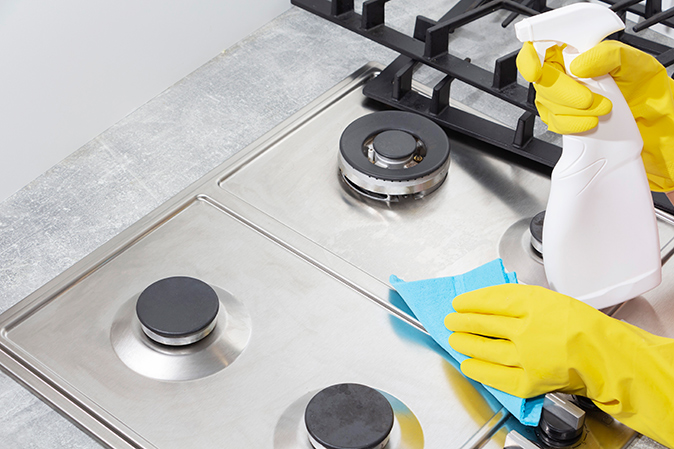
- Clean the burner grates regularly to prevent food from sticking and to maintain efficiency.
- Check the burners for clogs or damage and replace them as needed. You can typically order replacement parts from your gas oven manufactures website.
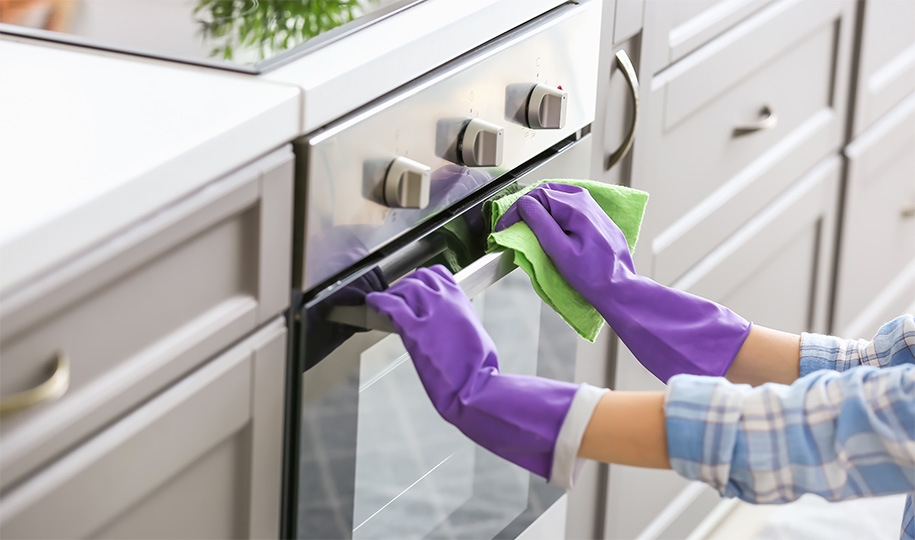
- Wipe down the control knobs and oven door with a damp cloth to keep them clean.
- Every two to three months, spend time cleaning your oven range filter, especially if you fry a lot of foods, as the oil can easily clog your filter.
- Schedule regular yearly professional maintenance to ensure your gas stove runs safely and efficiently.
Be sure to check out our other oven maintenance tips to help you get the most from your gas range.
Now You’re Cooking with Gas
Gas ovens and ranges can provide a reliable and efficient way to cook food, and you can enjoy years of delicious home-cooked meals by understanding how they work and how to maintain them properly. Be sure to clean up any large spills as soon as possible to keep liquid or food from clogging your burners. It’s also a good idea to add your monthly gas oven, range, or cooktop cleaning schedule, as well as your professional inspection, to your calendar.
Don’t forget to protect your gas cooking appliances with home warranty coverage for ovens, offered by First American Home Warranty. Visit our website for a free home warranty quote and learn more about our coverage options for gas ovens, plus other kitchen appliances and home systems.
The contents of this article are provided for general guidance only. First American Home Warranty does not assume any responsibility for losses or damages as a result of using this information.

Keep Reading






Home Care Buzz Experts
The First American Home Care Buzz team is made up of experienced home warranty writers and editors. Our team provides valuable insights and information to help homeowners like you meet the daily challenges of homeownership.
This article is about...