
Gas vs. Electric Stove: Pros, Cons, and How to Choose
JULY 23, 2026 | Home Care Buzz Experts | 8 minute read
Blog Summary
Gas stoves offer instant heat and flame control; electric stoves are more energy-efficient and easier to clean.
Operating costs vary by region. Check local gas and electricity rates before deciding which is cheaper for you.
Both gas and electric stoves can be covered by a First American home warranty when they fail from normal wear.
The gas vs. electric stove debate often comes down to which option best fits your cooking habits, energy costs, and kitchen setup. Both options offer unique benefits, with efficiency and energy bill impact among the most significant considerations. Understanding the differences between gas and electric stoves helps you choose the one that best fits your needs. The first question to ask yourself is, "Are gas stoves more efficient than electric?"
Gas Stove Efficiency
Some people prefer gas stoves for their instant heat and precise temperature control. Turning the knob on a gas stove provides immediate heat, allowing you to quickly switch between high and low heat. This responsiveness makes cooking not only versatile but also more energy-efficient.
With gas stoves, there's no lingering heat after you turn off the burner, so you don't need to worry about accidental burns. Moreover, if your home already has a gas line, installing a gas stove can be cost-effective, even with the higher initial purchase cost. However, the price of natural gas can fluctuate and must be factored into your long-term energy costs.
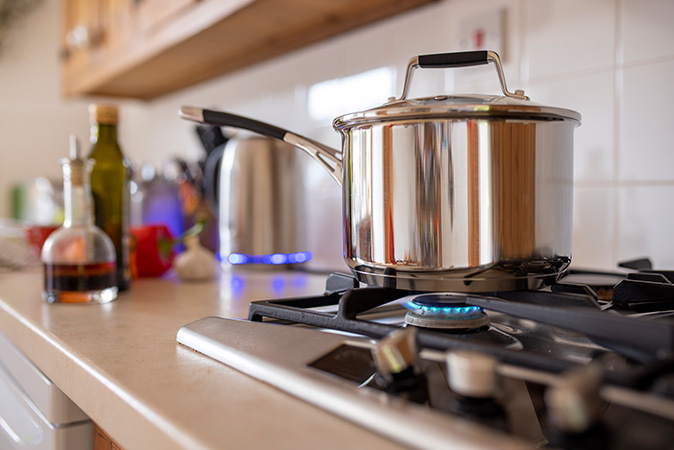
Here’s a quick look at gas stove pros and cons:
Gas Stove Pros
- Instant heat control: Gas burners respond immediately to dial adjustments, which are ideal for stovetop techniques like searing and wok cooking.
- Lower operating costs: In most regions, gas stoves typically cost $20 to $60 per year to run.
- Works without power: Gas stoves with a manual ignition can still be used during a power outage.
- Precise temperature control: A visible flame makes it easy to gauge and adjust heat levels.
Gas Stove Cons
- Harder to clean: Grates must be removed and scrubbed regularly.
- Ventilation required: Gas stoves can emit indoor pollutants; proper kitchen ventilation is important.
- Gas line needed: If your home doesn’t have a gas line, installation can be costly.
- Fluctuating fuel prices: Natural gas costs vary by region and over time.
Get troubleshooting tips for a gas stove or oven that’s not igniting.
Electric Stove Efficiency
Electric stoves can provide consistent heat distribution and easy maintenance when they're in good working order. Unlike gas stoves, electric models heat cookware evenly, resulting in more consistent cooking. Also, the smooth surface of glass-top electric stoves vs. gas stoves makes cleaning spills and splatters much easier.
Are electric stoves more efficient than gas? While electric stoves may take longer to heat up and cool down, they are generally more energy-efficient than gas stoves. This means that over time, you should see cost savings on your energy bills.
However, electricity rates vary by region and by how much you use, so it's essential to consider these variables when estimating costs.
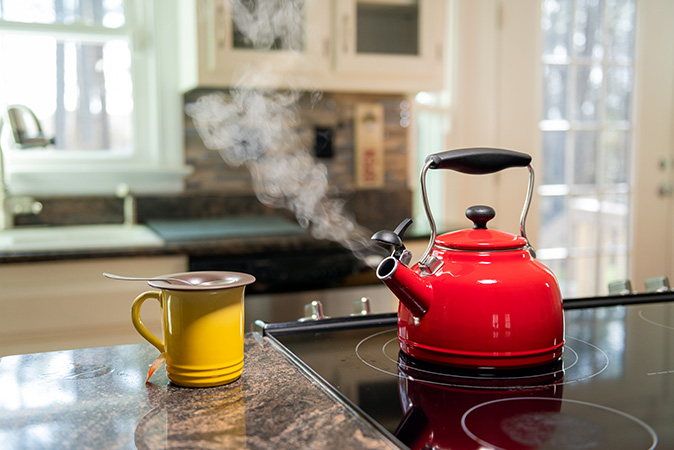
Here’s a quick look at electric stove pros and cons:
Electric Stove Pros
- Temperature accuracy: Electric ovens typically maintain temperatures more precisely than gas models, making them the preferred choice for baking.
- Even heating: No open flames mean even heat distribution throughout the oven.
- Easier to clean: Glass-top surfaces wipe down easily; no grates to remove.
- Safety: No open flames reduce the risk of accidental fires.
- Energy efficiency: Electric ovens are often more energy-efficient than gas.
Electric Stove Cons
- Heating time: Electric stoves take longer to heat up and cool down than gas.
- Energy cost: In regions where electricity is expensive, running costs can exceed those of gas.
- Power dependency: Electric ranges won’t work during a power outage.
- Broiling: Gas is generally better for high-heat broiling, which benefits from an open flame.
Electric stove not working? View our stove top repair guide.
Energy and Cost Comparison
In terms of raw energy consumption, electric stoves are generally more efficient than gas stoves. However, energy costs can fluctuate due to regional fuel prices and energy rates.
If you’re wondering which is cheaper, a gas or electric stove, the honest answer is that it depends on where you live. If electricity is expensive in your area but natural gas is relatively cheap, a gas stove may be more cost-effective. On the contrary, if natural gas prices are high, an electric stove might offer more savings. Knowing your local energy rates is the best way to estimate your ongoing costs.
Environmental Considerations
From an environmental perspective, the choice between an electric stove vs. a gas stove isn't straightforward. Gas stoves emit more carbon dioxide per unit of heat produced than electric stoves, contributing to greenhouse gas emissions. However, if your energy provider uses coal to generate electricity, the environmental impact could be greater than that of a gas stove.
It's worth noting that if your home's electricity comes from renewable sources, like solar or wind power, an electric stove is a more sustainable choice.
Cooking Habits and Lifestyle Factors
Your cooking habits and lifestyle preferences can play a significant role in your stove choice. For example, if you require precise heat control for gourmet cooking or enjoy the visual feedback of a flame, a gas stove may be your best bet. But if you value easy cleanup, safety, and consistent heating, an electric stove could be a better fit. Your mission is to balance these factors against your energy preferences and cost considerations to find what's right for you.
Stove Functionality, Cleaning, and Maintenance
The Ignition
Gas stoves ignite by releasing gas when the burner is turned on. The gas is then lit either by a pilot flame or an electric spark. You'll get instant heat and excellent temperature control. Electric stoves, whether coil or smooth-top, work by running electricity through a resistor, so they take a bit longer to heat up than gas stoves but provide steady, even heat.
Cleaning
Unless you have a glass-top electric stove, cleaning is about the same between an electric stove vs. a gas stove. The grates of both types need regular cleaning and can be cumbersome to remove and replace. Glass-top electric stoves are much easier to clean. Spills and splatters don’t seep into the surface and can be wiped away with a cloth.
To deep-clean either type, avoid harsh chemicals and abrasive cleaners, as they can damage surfaces or finishes. A mixture of baking soda and water works well for the oven interior. See our guide on deep-cleaning ovens for more tips.
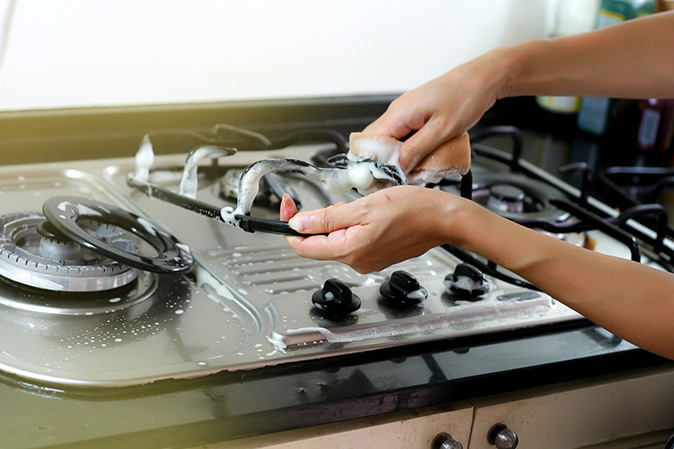
Maintenance
Your gas stove requires regular maintenance to keep it working well, including cleaning the gas jets and replacing components such as the ignitor when they wear out or fail. Electric stoves generally require less maintenance than gas ones. The main issue is usually damaged heating elements, but they are relatively easy and inexpensive to replace. Electric stoves are also simpler to install. Get more tips in our oven maintenance 101 guide.
Every oven and stove needs proper care and maintenance. Review our eight oven repair tips when an issue comes up, or get troubleshooting tips if your oven isn’t heating up properly.
Tips for Energy Efficiency of Your Stove
Regardless of which is more efficient — gas or electric stoves — there are practical ways to save energy and reduce costs. These include adjusting burner sizes to match your cookware, using lids to retain heat while cooking, and choosing pots and pans with flat bottoms for better heat transfer.
You may also want to consider whether energy-efficient appliances are worth the investment for your home. While they may cost more upfront, lower energy consumption can help reduce your energy bills over time.
Choosing the Right Stove for Your Kitchen
Whether you choose an electric or gas stove depends on a variety of factors, including your lifestyle, cooking habits, energy costs, and environmental concerns. Consider these elements when choosing the stove that best suits your needs. The right gas or electric stove can enhance your culinary experiences and help you create meals that bring everyone to the table.
Protect Your Gas or Electric Stove with a Home Warranty
Homeowners often ask, "Does a home warranty cover stoves?” The answer is yes, and it’s one of the most practical protections you can have for an appliance your household uses every day. Stoves and oven ranges, whether gas or electric, are among the most-used appliances in any home. When they fail unexpectedly, the repair or replacement cost can hit your budget hard.
A First American home warranty can help cover the cost of repairing or replacing your covered gas or electric stove when it fails due to normal wear and use. Our plans can cover a wide range of kitchen appliances, including ovens, ranges, cooktops, dishwashers, refrigerators, and more, along with home systems like HVAC, electrical, and plumbing. Read about our home appliance coverage and see what our home warranties cover.
Find out what home warranty plans are available in your area and get a quote today.
FAQs About Gas vs. Electric Stoves
Is it cheaper to run an electric or gas stove?
This largely depends on regional energy costs. In regions where electricity is cheaper, an electric stove may be less expensive to run. Conversely, in areas where natural gas is more affordable, a gas stove may be the cost-effective choice. Since energy prices and cooking habits vary, knowing your local utility rates can help you estimate.
Does a home warranty cover stoves?
Yes. First American Home Warranty covers both gas and electric stoves, ranges, and cooktops when they fail due to normal wear and use. When a covered issue occurs, you can submit a service request 24/7 by phone or online through your Homeowner Center. We’ll assign a prescreened independent service provider to diagnose the issue and begin the repair or replacement.
How do I maintain my gas or electric stove?
For gas stoves, regularly clean the burner grates and gas jets to prevent clogging, and check the ignitor for consistent sparking. For electric stoves, wipe the glass-top surface after each use and inspect heating elements periodically for signs of damage. For both types, use cookware that matches the burner or element size, and keep lids on pots to retain heat and reduce energy use.
Which is better: an electric or a gas stove?
Both types have their pros and cons, and the best choice depends on how often you cook, your energy costs, and environmental considerations. The cost of operating a gas or electric stove depends primarily on two factors: the price of the appliance itself and the ongoing cost of energy (gas or electricity) in your location.
If you're asking, "Which is cheaper: a gas or electric stove?" then in terms of the initial investment, electric stoves are usually less expensive than gas stoves. But if you're wondering, "Which is more efficient: a gas or electric stove?" then the answer will usually depend on the cost of energy in your area.
Which is better for baking: a gas or electric oven?
Electric ovens are generally preferred for baking because they distribute heat more evenly and maintain consistent temperatures better than gas ovens. Gas ovens heat up faster and can be better for foods that benefit from moist heat, browning, and crisping. If baking is a priority, an electric range is typically the better choice.
The contents of this article are provided for general guidance only. First American Home Warranty does not assume any responsibility for losses or damages as a result of using this information.
Please be aware that if you disassemble a covered system or appliance, it can invalidate your home warranty or manufacturer’s warranty.






Home Care Buzz Experts
The First American Home Care Buzz team is made up of experienced home warranty writers and editors. Our team provides valuable insights and information to help homeowners like you meet the daily challenges of homeownership.
This article is about...