
Common Issues with Septic Systems
DECEMBER 11, 2024 | Home Care Buzz Experts | 6 minute read
Septic systems are essential for homes without access to public sewer systems. These underground wastewater treatment systems help safely manage and dispose of household waste from bathrooms, kitchens, and clothes washers. However, they can face challenges that may lead to septic system failure. Common issues include blockages, tree root infiltration, and excessive water use, which can result in unpleasant odors, slow drains, and even system backups. (Yuck!)
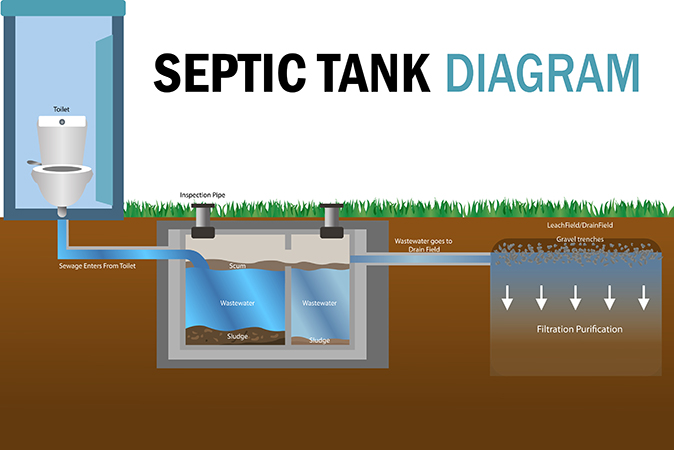
Understanding how your septic system works and maintaining it properly can help prevent these costly problems. Key practices include regular inspections, mindful water usage, and proper waste disposal. Additionally, having septic system warranty coverage can provide peace of mind, ensuring that your budget is protected from unexpected repair costs. By taking proactive steps, you can keep your septic system functioning efficiently and avoid significant disruptions to your home life.
Common Causes of Septic System Failure
Several factors can lead to septic system failure. Understanding these causes can help you take preventative measures to maintain your system's health and avoid costly repairs. Let’s go over a few:
Blockages and Clogs
Blockages and clogs are among the most common causes of septic system failure. Non-biodegradable items, such as sanitary products, diapers, and wipes, can create blockages in the system. Additionally, pouring grease and oils down the drain can cause clogs. These blockages can prevent wastewater from flowing properly, leading to backups and overflows.
Tree Root Infiltration
Roots naturally seek out moisture and nutrients, making septic systems an attractive target. They can infiltrate and damage pipes, causing leaks and blockages over time.
Excessive Water Use
Using too much water can overwhelm your septic system. When large volumes of water enter the system quickly, it can’t treat and absorb the wastewater properly. This can lead to system overload, causing untreated sewage to back up into the house or the yard.
Lack of Maintenance
Regular septic maintenance keeps your system running smoothly. Without routine pumping and inspections, solids can build up in the tank and eventually clog the drain field. Regular maintenance helps prevent these issues and helps identify and resolve potential problems early.
Signs of Septic Tank Problems
Slow Drains and Backups
One of the first signs of septic tank problems is slow drains. If your sinks, bathtubs, showers, or toilets are draining slower than usual, it might indicate a clog or full septic tank. Backups, where wastewater returns into the house, are more serious and a clear sign that your septic system needs immediate attention.
Unpleasant Odors
Foul smells around the septic tank or drain field are another warning sign. These odors can indicate that the septic tank is full or that there is a leak. The smell of sewage or a sulfur-like smell similar to rotten eggs strongly indicates that your system is not processing waste properly and needs to be inspected.
Lush, Green Grass
While a green lawn is usually a sign of a healthy yard, unusually lush and green grass over the drain field can be a red flag. This often means the drain field receives too much liquid waste, which can indicate a failing system or a leak.
Pooling Water
Standing water around the drain field or septic tank area is a serious sign of septic problems. This can occur when the system is overloaded, or the drain field is clogged. Pooling water can lead to system backups and further damage if not resolved promptly.
How to Identify a Clogged Leach Field
A clogged leach field can cause noticeable problems. Slow drains are often the first sign, as wastewater struggles to move through the system. Sewage backups in sinks, toilets, or bathtubs are more serious symptoms, indicating that the system is failing to process waste effectively. You might also notice surface water or soggy areas around the drain field, which can signal that the leach field is overwhelmed and unable to absorb wastewater.
Inspection Tips
To identify a clogged leach field, start with a visual inspection. Look for patches of unusually lush grass, which can indicate excessive moisture. Check for standing water or soggy spots around the drain field, especially after heavy water use. A physical inspection involves probing the soil around the drain field with a stick or rod. If the soil feels consistently wet or muddy, it could be a sign of a clog.
Professional Diagnosis
If you suspect a clogged leach field, it's essential to call a septic professional. They have the tools and expertise to diagnose the issue accurately. A professional can perform a more thorough inspection, including checking the septic tank levels and using specialized equipment to identify blockages. Timely professional diagnosis and repair can prevent further damage and costly repairs. Having home warranty coverage can also help manage the costs and lifestyle interruptions associated with unexpected septic system repairs.
Are Septic Systems Hard to Maintain?
While septic system upkeep is not much more difficult than other homeownership responsibilities, they do require regular maintenance and a degree of vigilance to avoid bigger problems. Here’s what you need to know:
Routine Maintenance Tasks
Septic systems require regular maintenance to function properly. Key routine maintenance tasks include having your septic tank pumped every three to five years, depending on the size of your household and tank. Regular inspections by a professional every one to three years can help catch potential issues early, ensuring your system runs smoothly.
Best Practices for Septic System Care
Effective septic system maintenance starts with being mindful of what goes down your drains. Avoid flushing non-biodegradable items, such as wipes, diapers, and sanitary products. Do not pour grease, oil, or harsh chemicals down your sinks or disposals, as they can cause clogs and damage your system. Practicing water conservation is also essential — spread out laundry and dishwashing to prevent overwhelming the system. Keeping trees and shrubs away from the drain field can also prevent root infiltration.
Preventive Measures
Taking proactive steps can prevent many septic system issues. Reduce water usage to avoid overloading the system. Fix any leaking faucets or toilets promptly, as continuous water flow can stress your septic system. Avoid using chemical drain cleaners and instead use septic-safe alternatives. Regularly inspect your system for any signs of leaks or damage and resolve issues immediately to prevent them from worsening.
When to Call the Pros
While regular DIY maintenance can prevent many problems, professional assistance is sometimes necessary. If you notice slow drains, unpleasant odors, or standing water around your drain field, it’s time to call a septic professional. They can diagnose and repair issues before they become major problems. Having budget protection through a home warranty can help cover the costs of unexpected repairs.
Keep Your Septic System in Top Shape
Regular septic system maintenance is required to avoid costly and disruptive problems. By staying proactive, you may be able to prevent common issues like clogs, leaks, and system overloads. Simple practices, such as mindful water usage, proper waste disposal, and routine DIY and professional inspections, can make a significant difference in maintaining your septic system's health.
Taking these steps extends the life span of your septic system and can help ensure a safer, healthier environment for your home. For added peace of mind, consider a home warranty plan to cover unexpected septic system repairs. First American Home Warranty offers comprehensive plans that can help you manage unexpected breakdowns in your septic system, giving you one less thing to worry about. Get a free quote today!
FAQs About Septic System Failure
What is the most common cause of septic system failure?
According to the U.S. Environmental Protection Agency, septic systems that fail are most likely due to inappropriate design or poor maintenance. Regular care and preventing blockages and clogs from non-biodegradable items and grease are key.
Are septic systems hard to maintain?
Septic systems are not hard to maintain if you complete routine maintenance tasks, adopt best practices for system care, and take preventive measures to avoid common problems. Regular professional assistance can also help keep your system in good working order.
How often should I have my septic system pumped?
It’s generally recommended that your septic tank be pumped every three to five years, depending on the size of your household and the tank.
Is it normal for my septic system to smell?
No, foul odors around your septic tank or drain field are a sign that something is wrong. It could indicate a full tank, a leak, or another problem that needs professional attention.
What should I avoid flushing down my drains to protect my septic system?
Avoid flushing non-biodegradable items such as wipes, diapers, sanitary products, and grease. These can cause blockages and damage your septic system.
The contents of this article are provided for general guidance only. First American Home Warranty does not assume any responsibility for losses or damages as a result of using this information.
Please be aware that if you disassemble a covered system or item, it can invalidate your home warranty or manufacturer's warranty.

Keep Reading






Home Care Buzz Experts
The First American Home Care Buzz team is made up of experienced home warranty writers and editors. Our team provides valuable insights and information to help homeowners like you meet the daily challenges of homeownership.
This article is about...