
Furnace Not Igniting? Here Is Why and How to Fix It
OCTOBER 01, 2025 | Home Care Buzz Experts | 5 minute read
When your furnace won’t ignite, it’s usually a sign that something in the system isn’t working as it should. It might be the thermostat, a dirty filter, or a worn-out ignitor. Other times, it might be a more difficult (and costly) problem to fix.
Luckily, you can often troubleshoot these issues yourself. Below, we’ll explain why furnace ignitors fail, how to spot a bad ignitor, and what steps you can try to get your furnace running again. We’ll also cover when making repairs or considering a full replacement makes more sense.
What Does an Ignitor Do?
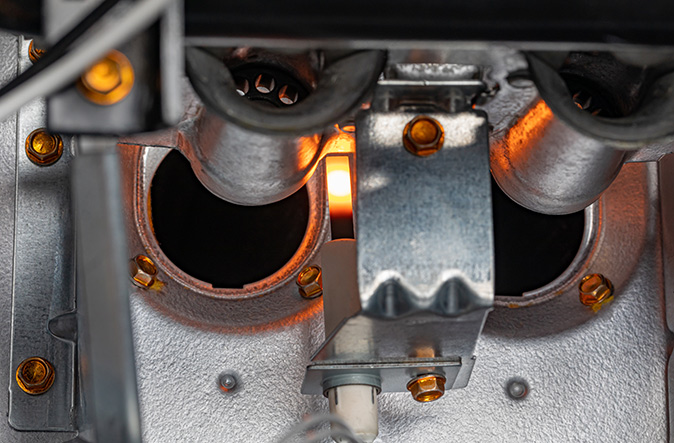
The ignitor is what starts the heating process in your furnace. When your system turns on, the ignitor sparks or heats up to light the gas. That small flame allows the burners to turn on and create heat.
If the ignitor doesn’t work, the gas will not ignite, and your furnace will not produce heat for your home.
Why Isn’t My Furnace Igniting?
There are several reasons your furnace won’t ignite. Some issues, like a dirty filter or a thermostat setting, can be easy to diagnose and fix. Others, like a broken ignitor or control board problem, may need a professional’s help.
Overall, some of the most common reasons your furnace isn’t igniting include:
- Dirty or broken ignitor
- Faulty thermostat
- Clogged air filter
- Gas supply issue
- Broken flame sensor
- Tripped circuit breaker
Let’s break down one of the most common problems next: a bad furnace ignitor.
How to Tell If Your Furnace Ignitor Is Bad
The ignitor is a small part of your furnace’s system, but it plays a significant role. If it’s not working, your furnace can’t start.
Here are some of the signs that a furnace ignitor is bad:
- The furnace clicks but doesn’t turn on
- You smell gas but feel no heat (be sure to turn the gas off right away)
- The furnace turns off after a few seconds
- You see no glow or spark from the ignitor
- You see a visible crack on the ignitor
If you notice one or more of these signs, your ignitor might be why your furnace isn’t working.
What to Do If Your Furnace Isn’t Igniting: 6 Tips
Before you start checking your furnace, take some basic safety precautions. Turn off the power at the switch or the breaker. You should also avoid touching any wiring or components you're unfamiliar with.
Once it’s safe, try these furnace troubleshooting tips to see if you can identify the reason the system isn’t igniting.
1. Inspect the Ignitor
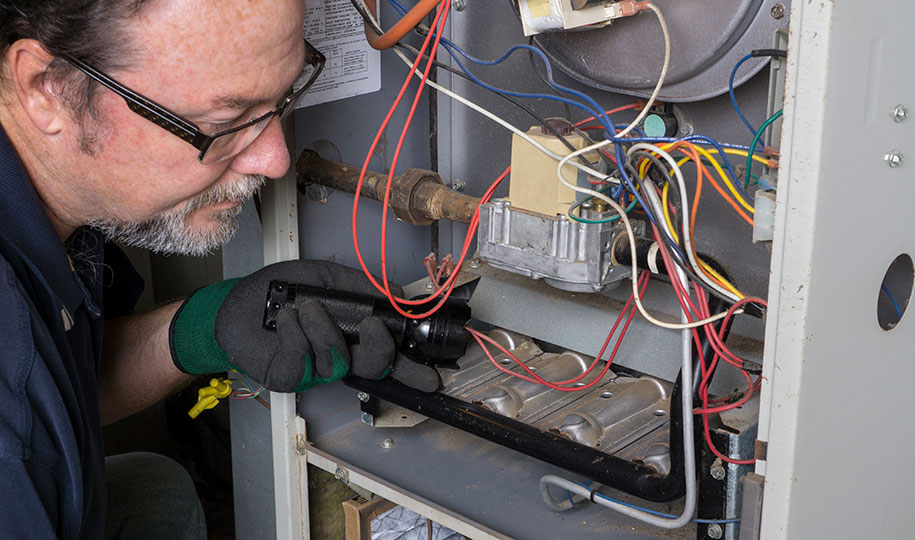
The ignitor lights the gas and starts your furnace. With the power off, remove the access panel and look for the ignitor near the burners. It’s usually a small metal or ceramic part.
If it looks cracked, burnt, or you’ve previously noticed it doesn’t glow during startup, it’s likely faulty. Some homeowners are comfortable replacing an ignitor on their own, but it’s important to check your owner’s manual and know your limits. If you're unsure, it's safer to call a technician.
2. Check the Thermostat
Make sure your thermostat is set to “heat” and the temperature is set higher than the current room temperature. If it takes batteries, try changing them. You can also switch the fan setting to “on” to confirm it’s still receiving power. If the thermostat stops working or isn’t sending the proper signals, your furnace won’t ignite.
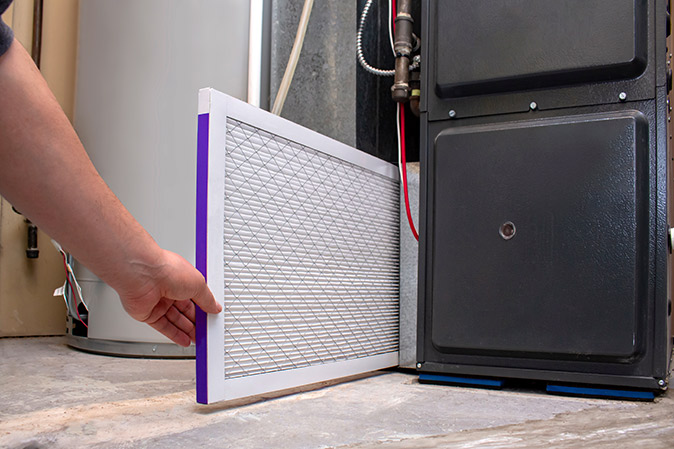
3. Replace or Clean the Air Filter
A dirty air filter can block airflow, which may trigger safety features that shut down your furnace. If you haven’t changed the filter in a while, checking it is a good idea. Pull it out and see if it looks dusty or clogged. If it does, replace it with a clean one.
Regular filter changes help your furnace ignite properly and improve efficiency and airflow throughout your home.
Related: See our blog for more furnace troubleshooting tips.
4. Check Your Circuit Breaker
Sometimes, the issue comes down to a tripped circuit breaker. Head to your electrical panel and find the switch labeled “furnace.” If it’s out of place or halfway between “on” and “off,” flip it entirely to the off position, then back on.
A tripped breaker cuts power to your furnace, so it can’t ignite. If the breaker keeps tripping after a reset, that’s a sign of a deeper electrical issue, and it’s time to call a professional.
5. Look for Error Codes
Modern furnaces often include a small LED light that blinks when there’s a problem. These blinking codes can help diagnose what’s wrong with your system.
Count the number of flashes, check your furnace’s manual, or look up the code online. Each pattern usually corresponds to a specific issue, like ignition failure, a problem with the pressure switch, or a dirty flame sensor. This step can save you time and help narrow down the problem if you need to contact a technician.
6. Restart the Furnace
If nothing else works, try restarting the furnace. Turn off the power at the nearby circuit, wait about a minute, then turn it back on. Sometimes, this simple reset clears out minor glitches or communication issues with the control board.
If the furnace fires up afterward, great — you’ve fixed it! If not, you may need professional help to diagnose and repair the issue.
Should I Replace My Furnace If It’s Not Igniting?
You don’t always need to replace the furnace because it won’t ignite. In many cases, a small part like the ignitor may be to blame, and that’s often a simple, low-cost fix.
However, replacement might be the better option if your furnace is:
- 15 to 20 years old
- Needing frequent repairs
- No longer heating your home efficiently or evenly
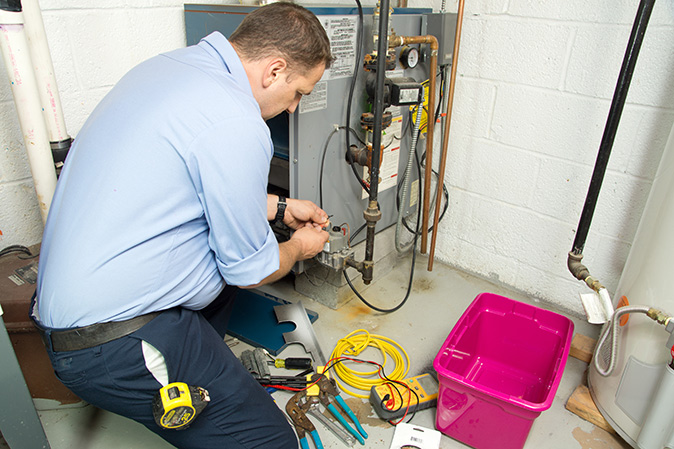
A licensed technician can inspect your system and help you decide whether repair or replacement is the better long-term solution.
Take the Next Step to Protect Your Furnace
A furnace that won’t ignite can make your home uncomfortable fast. But many of these problems are generally easy to spot and fix yourself. But if you have a First American home warranty and your furnace has a bigger issue, your heating and furnace coverage can protect your budget from costly repair or replacement.
Get a free quote and see how a home warranty can help when your furnace needs a little help, so you can keep your home warm and cozy.
FAQs on Fixing a Furnace Ignitor
How much does it cost to replace a furnace ignitor?
Most ignitor replacements typically cost from $100 to $250, including labor. Repair prices can vary in your area.
Can I replace a furnace ignitor myself?
Yes, if you’re handy and familiar with how to work on your furnace. However, it is vital to turn off the power and gas before working on it. If you’re not sure what to do, call a professional to handle the replacement.
Does a home warranty take care of furnace ignitor repairs?
First American Home Warranty offers heating and furnace coverage that can cover furnace parts when they break down from normal wear and tear.
The contents of this article are provided for general guidance only. First American Home Warranty does not assume any responsibility for losses or damages as a result of using this information.
Please be aware that if you disassemble a covered system or item, it can invalidate your home warranty or manufacturer's warranty.

Keep Reading






Home Care Buzz Experts
The First American Home Care Buzz team is made up of experienced home warranty writers and editors. Our team provides valuable insights and information to help homeowners like you meet the daily challenges of homeownership.
This article is about...