
How to Prevent Pipes from Freezing: Tips for Winter Protection
DECEMBER 18, 2025 | Home Care Buzz Experts | 4 minute read
When winter temperatures plummet, pipes can freeze and burst, leading to water leaks and property damage. Knowing how to prevent pipes from freezing can help avoid costly problems.
In this guide, we’ll cover the temperature at which pipes freeze, the main reasons it happens, and how to protect your home. You’ll also learn how to unfreeze pipes safely and what to do if one bursts.
At What Temperature Do Pipes Freeze?
While water freezes at 32 degrees Fahrenheit, pipes typically don’t freeze until temperatures drop to around 20 degrees or lower. The risk increases when temperatures fall suddenly or when cold air or wind creates a “wind chill” effect around exposed pipes.
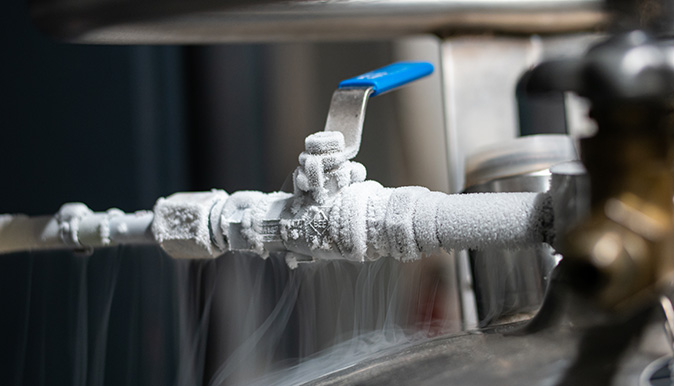
When water freezes inside a pipe, it expands. Combined with the existing water pressure, this can cause pipes to burst, leading to extensive damage. That’s why it’s best to focus on preventing pipes from freezing in the first place.
Areas Most at Risk for Frozen Pipes
Certain areas around your home are more vulnerable to cold air and freezing temperatures. Pipes located in basements, crawl spaces, attics, along exterior walls, and garages are at the highest risk of damage. These spaces often lack insulation and can drop below freezing temperatures more quickly. Any air leaks in these areas can also allow a cold breeze in. Including these areas in your winter pipes freezing prevention plan can save you major headaches later.
How to Prevent Pipes from Freezing
Tools and Supplies You'll Need
- Pipe insulation (one-inch or thicker)
- Heat tape or cables
- Weather stripping
- Blow dryer or heat gun (for unfreezing)
- Space heater or electric heating pad (optional)
Follow these seven preventive steps before temperatures drop below freezing to help you avoid having pipes in your home or garage:
1. Let Faucets Drip
During extreme cold, opening both cold and hot water taps to a trickle can help prevent frozen pipes. Keeping the tap open, even if pipes freeze, can help relieve pressure and prevent pipes from bursting.
2. Drain Outdoor Pipes and Hoses
Drain water from garden hoses, irrigation hoses, and water sprinkler supply lines, and shut off the water valves.
Related: How to Fix a Leaky Outdoor Faucet.
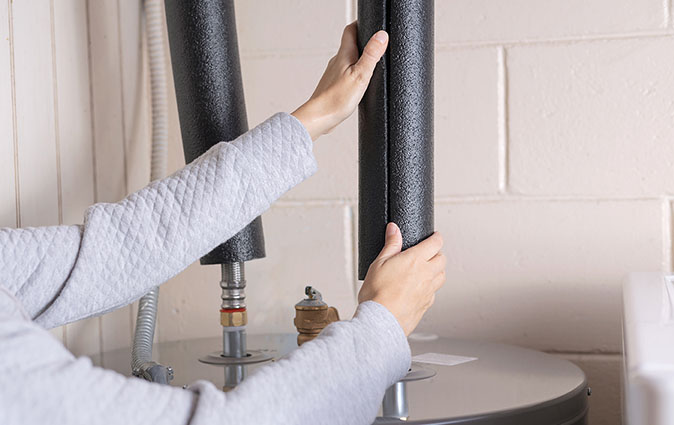
3. Insulate Pipes
Add insulation to pipes in unheated indoor areas, such as crawlspaces, basements, and attics. Pipes in these locations are the most vulnerable to freezing. Use one-inch or thicker pipe insulation instead of thinner materials.
4. Seal Air Leaks in Your Home
Add weather stripping to doors and windows, and seal air leaks, especially in unheated spaces like your attic or basement.
5. Use Heat Tape or Cables
Wrap heat tape around pipes and plug it into a receptacle. It’s effective in crawl spaces and garages, as well as anywhere you have access to the pipes and an outlet.
6. Shut off the Water
If you leave for a winter holiday, shut off the water supply at the main valve.
7. Keep Your House Heated
Set your thermostat at a steady temperature above 65 degrees when the outside temperature is below freezing.
You can complete many of these winterization steps in 1 to 2 hours over a weekend.
Related: Home Maintenance Checklist to Winterize Your Home.
How to Unfreeze Pipes
When you turn on a faucet after a freeze and only get a trickle of water flow, the pipes may be frozen.
Follow these two steps:
-
Try to locate the section of pipe that is frozen. Using a blow dryer or electric heat gun, blow hot air on the frozen section of the pipe. You can also try using an electric heating pad or space heater. (Do not use a torch or open flame of any kind on the pipe or any other items in your home.)
-
If more than 30 minutes pass and you're unsure if step 1 has worked, or if you prefer to contact a professional, don't hesitate to call a local plumber.
What to Do When a Frozen Pipe Bursts
If this happens, here's how you can help avoid injury and minimize damage to your home:
- Turn off the water at the main shut-off valve.
- Contact a professional plumber immediately.
- Remove as much water as possible.
- Leave the water faucets turned on.
Related: Do Home Warranties Cover Frozen Pipes?
Frozen Pipe Facts
- Most frozen pipe failures happen in the basement.
- Pipe insulation can cost as little as $0.50 per linear foot and can help prevent your pipes from freezing.
- In an hour, 100 gallons of water can escape when a frozen pipe bursts. That’s enough water to fill a bathtub.
Home Protection for Your Peace of Mind
Home warranties cover plumbing failures due to normal wear and tear, not pipes that freeze in a cold snap. If your home suffers damage due to frozen pipes, repairs may be covered under your homeowner's insurance.
However, having First American home warranty coverage helps protect your budget when your plumbing breaks due to everyday use. If you have a plumbing stoppage, a broken water heater, a failing garbage disposal, or a pipe leak, your plan is in place to help take care of a covered repair or replacement.
And home warranties extend protection beyond plumbing to cover other systems, including heating, electrical, and more. You'll also have peace of mind knowing your warranty plan can protect major home appliances.
Learn more about First American home warranty plans: Get a free quote today.
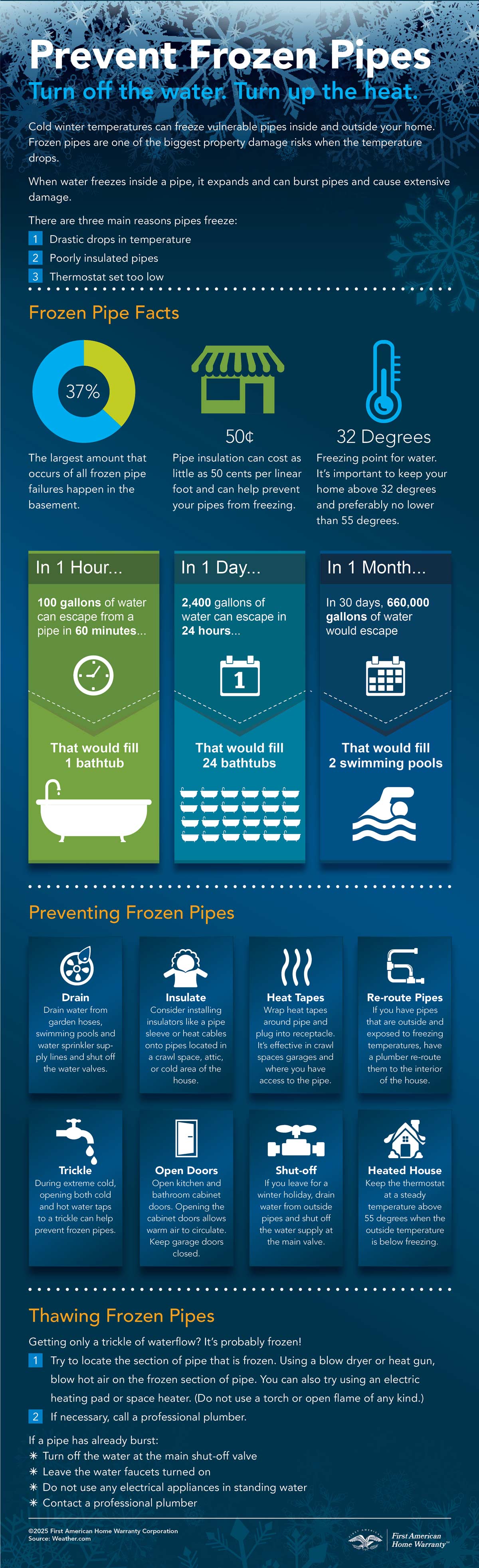
Frozen Pipes: Printable Checklist
The contents of this article are provided for general guidance only. First American Home Warranty does not assume any responsibility for losses or damages as a result of using this information.
Please be aware that if you disassemble a covered system or item, it can invalidate your home warranty or manufacturer's warranty.

Keep Reading






Home Care Buzz Experts
The First American Home Care Buzz team is made up of experienced home warranty writers and editors. Our team provides valuable insights and information to help homeowners like you meet the daily challenges of homeownership.
This article is about...