
What Is a Pressure-Reducing Valve?
FEBRUARY 10, 2026 | Home Care Buzz Experts | 4 minute read
If you’ve ever wondered why your home’s water pressure fluctuates or why certain plumbing fixtures wear out faster than expected, a pressure-reducing valve (PRV) might be the hidden hero (or culprit) in your home’s plumbing system.
Understanding what a pressure-reducing valve is and what its purpose is can help homeowners protect their home’s plumbing, reduce water waste, and prevent costly repairs.
What Is a Pressure-Reducing Valve?
A pressure-reducing valve is a mechanical device installed in your home plumbing system to control the pressure of incoming water. In most homes, municipal water pressure is higher than what is ideal for household use. High water pressure can stress pipes, valves, and appliances, causing leaks or premature failures.
The PRV automatically lowers incoming water pressure to a safe, consistent level so faucets, toilets, water heaters, and appliances run more smoothly. In short, a PRV enables your plumbing system to receive water at a steady pressure, protecting your home’s infrastructure and your wallet.
Related: How to Adjust the Anti-Scald Valve on Your Shower
What Is the Purpose of a Pressure-Reducing Valve?
Understanding the purpose of a pressure-reducing valve requires a closer look at its benefits:
1. Protects Plumbing Fixtures
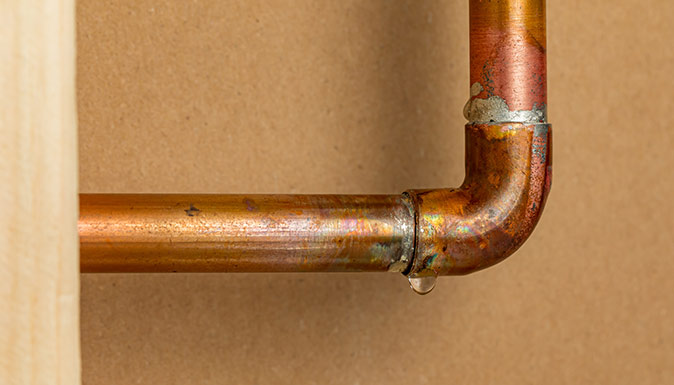
High water pressure can damage plumbing fixtures. Showerheads, faucets, and valves are designed to handle a certain level of pressure, yet excessive pressure can lead to leaks, dripping faucets, or even burst pipes. A PRV acts as a buffer, helping to protect plumbing fixtures and extend their lifespans.
2. Prevents Pipe Damage
Without a PRV, high municipal water pressure can put undue stress on your home’s piping system. Over time, this stress can cause cracks, corrosion, and leaks. By regulating water pressure, a PRV helps prevent pipe damage, saving homeowners potentially significant repair costs.
3. Reduces Water Waste
High water pressure also increases water consumption. Faucets and showerheads may release more water than necessary, leading to higher utility bills and unnecessary waste. Installing a PRV helps reduce water waste, increasing efficiency and sustainability.
4. Enhances Appliance Longevity
Many home appliances, such as water heaters, washing machines, and dishwashers, are sensitive to water pressure. A PRV helps these appliances operate under more constant pressure levels, helping them last longer and perform optimally.
5. Maintains Consistent Water Pressure
Fluctuating water pressure can be frustrating. Too much pressure might cause pipes to bang or water to spray from fixtures, while too little pressure can make showers and faucets inefficient. A PRV provides consistent pressure throughout your home plumbing system, promoting comfort and convenience.
How Does a Pressure-Reducing Valve Work?
A PRV is typically installed near the main water supply line where it enters your home. Inside the valve, a spring and diaphragm system adjusts automatically to lower the water pressure to a pre-set level. Some PRVs are adjustable, allowing homeowners and plumbers to fine-tune the water pressure to the ideal range for a particular property.
The valve responds dynamically: When incoming water pressure is high, the diaphragm compresses, reducing the flow and pressure downstream. When incoming pressure drops, the valve opens, allowing water to flow freely. This constant adjustment keeps water pressure more stable.
Related: How Does a Tankless Water Heater Work?
Signs You Might Need a Pressure-Reducing Valve
Not all homes come equipped with a PRV, and even existing valves can wear out over time. Here are some common indicators that a PRV might be necessary or need maintenance:
- Sudden spikes in water pressure: Faucets, showers, or appliances experience unusual force.
- Frequent plumbing leaks: Pipes or fixtures develop leaks more often than expected.
- Water hammer: Loud banging noises in pipes when faucets are turned on or off.
- High utility bills: Water usage is unexpectedly high, potentially due to excessive pressure.
- Rapid appliance wear: Washing machines, dishwashers, or water heaters fail prematurely.

If you notice any of these signs, it’s worth consulting a licensed plumber to inspect your plumbing system and determine whether a PRV installation or replacement is needed.
Installing and Maintaining a Pressure-Reducing Valve
Installing a PRV is generally straightforward for a licensed plumber, but proper sizing and adjustments are crucial for optimal performance. Here are some best practices:
- Correct placement: PRVs are installed near the main water shut-off valve where the water supply enters your home.
- Pressure settings: Most homes function well with a water pressure of 50-60 psi. The PRV should be adjusted accordingly.
- Regular inspection: Over time, the internal components can wear out or become clogged with sediment. Check the valve annually to confirm that it’s operating properly.
- Maintenance tips: Clean any debris, test pressure periodically, and replace worn-out valves to maintain efficiency.
A properly installed and maintained PRV provides long-term protection for your home’s plumbing system, preventing pipe damage and reducing water waste.
Protect Your Appliances with a Home Warranty
A PRV is a key component that can help safeguard your home. It regulates water pressure, protects fixtures and pipes, reduces water waste, and helps your appliances last longer. Whether you’re experiencing fluctuating water pressure or want to proactively protect your plumbing system, a PRV can be a useful addition to your home.
To further help protect your home and budget from unexpected plumbing issues, a First American home warranty can provide peace of mind. When a covered home appliance or system breaks, coverage offers a convenient repair/replacement solution at your fingertips.
With home warranty coverage and regular maintenance, you can safeguard your home’s plumbing system, plus much more. Get a free quote today and explore our comprehensive coverage and the many benefits it provides.
The contents of this article are provided for general guidance only. First American Home Warranty does not assume any responsibility for losses or damages as a result of using this information.
Please be aware that if you disassemble a covered system or item, it can invalidate your home warranty or manufacturer's warranty.

Keep Reading




Home Care Buzz Experts
The First American Home Care Buzz team is made up of experienced home warranty writers and editors. Our team provides valuable insights and information to help homeowners like you meet the daily challenges of homeownership.
This article is about...