
4-Step Guide to Fixing a Frozen AC Unit
JUNE 26, 2023 | Home Care Buzz Experts | 4 minute read
Project Overview

Intermediate

3 Hours

> $300
All Values are Estimates
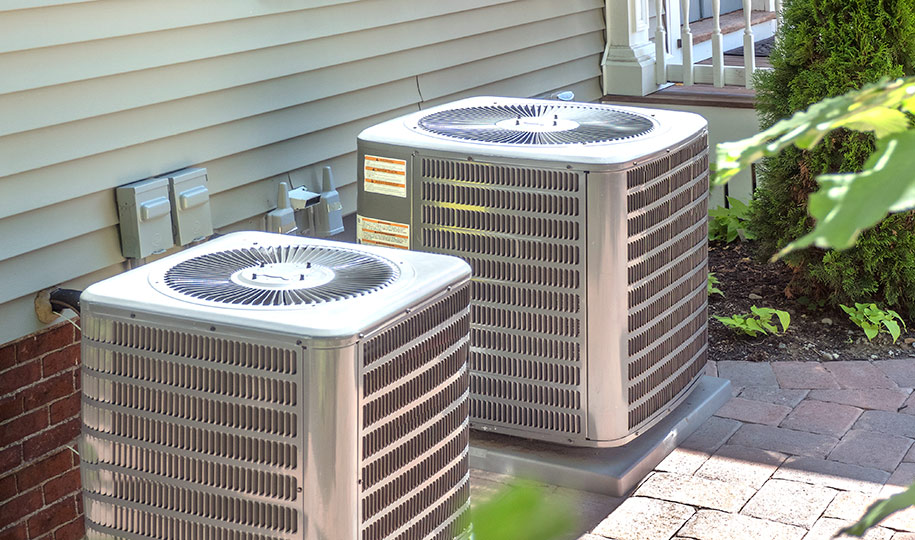
You rely on your AC to stay comfortable when the weather warms up. The last thing you want on a scorching day is a frozen AC. So, how can you avoid this problem and keep your AC unit running smoothly? Regular maintenance and upkeep can help prevent common issues like a frozen AC unit. Use this guide to help you understand why your air conditioner is frozen and how to maintain its functionality.
How to Tell if Your AC is Frozen
Although a frozen air conditioner often has signs of visible ice buildup, sometimes what is frozen are the parts located inside your HVAC unit. Other telltale signs of a frozen AC include:
- A lack of cold air flowing from vents when the unit is running
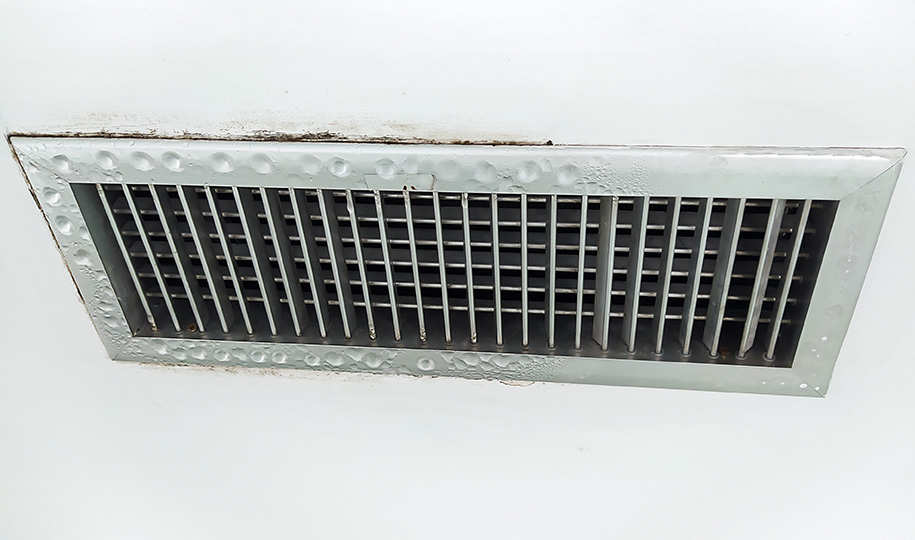
- Puddles of water or water trickling down the side of your HVAC unit
- A hissing sound from your HVAC unit when it is cooling
If you experience any of these issues, it's probably a good idea to dig a little deeper to find out if your unit is freezing up.
What Causes an AC Unit to Freeze Up with Ice?
Your air conditioner moves refrigerant through an evaporator coil. As air passes over the cool surface of the evaporator coil, heat is removed from the air. The cool air is then circulated back into the home. When there are issues with an AC system that cause this process to malfunction, it can cause the unit to freeze. Here are some factors that can cause freezing:
1. Restricted Airflow
Restricted airflow over the evaporator coil causes ice buildup that leads to frozen evaporator coils. This restricted airflow can be caused by a dirty air filter that leads to inadequate airflow through the air duct return, or by a dirty evaporator coil.
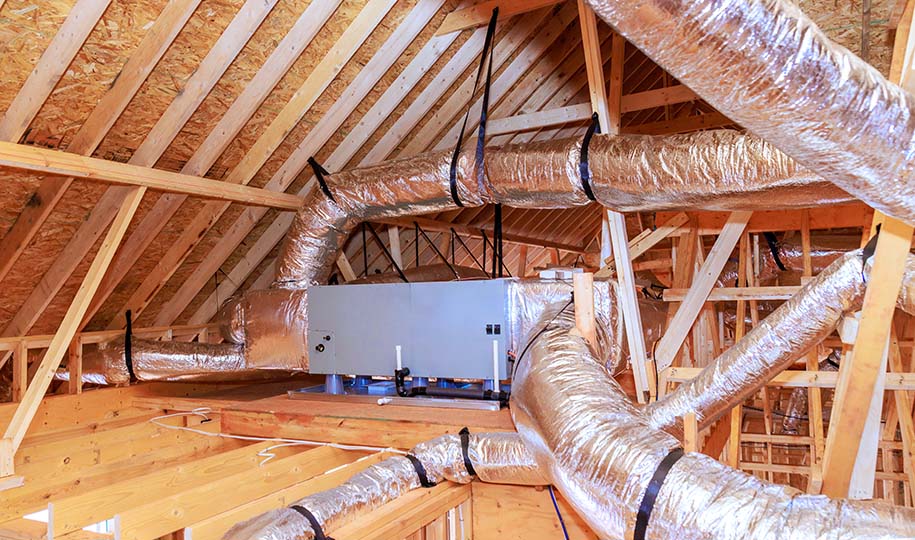
Routinely changing your air filters can improve air quality and allow air to flow properly. Blocked or damaged air ducts may also prevent adequate airflow.
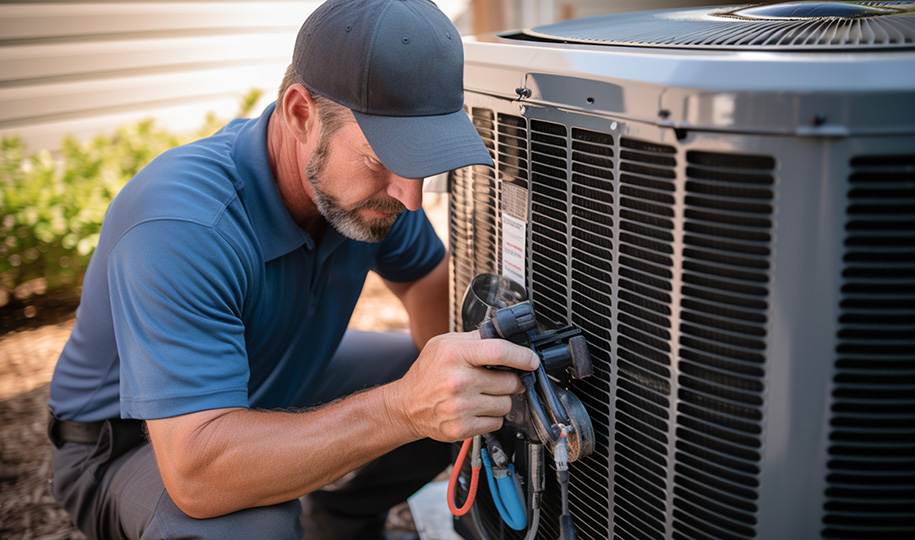
A technician can clean your system's evaporator coil and check your ductwork for leaks or blocks.
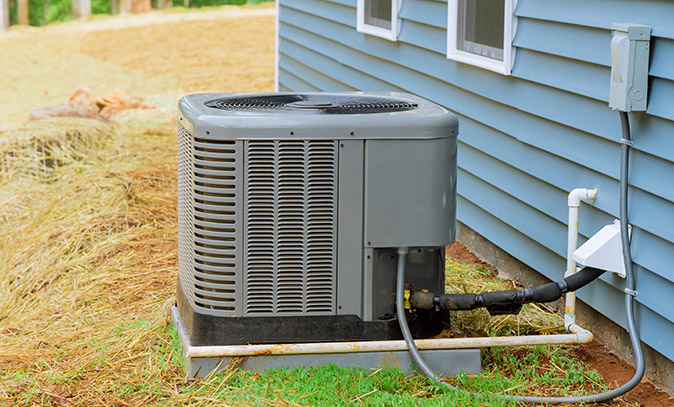
Learn how air conditioners work.
2. Low Refrigerant Levels
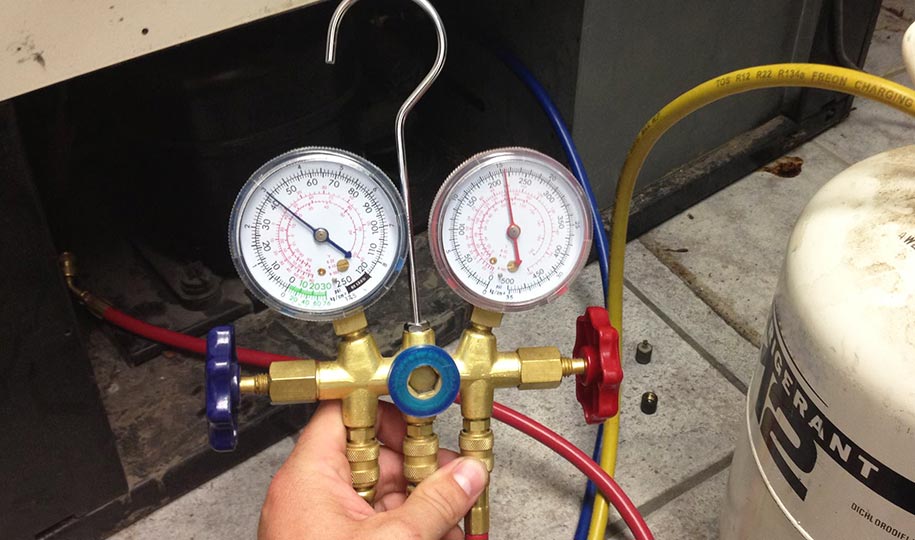
Low refrigerant levels cause your unit to absorb heat less efficiently, which can lead your unit’s evaporator coil to become too cold and freeze. This is typically caused by a refrigerant leak.
3. Failing or Broken Blower Motor
A blower motor turns the fan in your HVAC system, which circulates air out and into your home. A faulty blower fan can disrupt airflow and cause the evaporator coil to freeze. A malfunctioning motor or a broken belt can be culprits for faulty blower motors.
4. Overflow of Condensate Drain Line
As your system removes humidity from the air, it moves moisture along the condensate drain line to the drip pan. A clog in the line can cause excess water to overflow, collect near the evaporator coil, and freeze up. This ice can also spread to your evaporator coils.
How Do You Unfreeze Your Air Conditioner?
Defrosting your AC unit can prevent damage and help get it running properly again. Fixing an air conditioner that's frozen involves identifying the source of the problem. If it’s one of the causes we covered above, here's what to do with a frozen AC:
1. Turn off the AC Unit
Use the thermostat to turn off the air conditioner or turn it off at the breaker box for an extra safety step. Freezing happens when it's in use, so keeping it off for up to 24 hours can allow ice to thaw.
Important step: Always allow your evaporator coils to dry completely after thawing before using your blower again.
2. Turn on the Blower Fan
After the ice has thawed, turn on the blower to help dry out the coils. If you've turned your AC system off at the breaker box, you'll need to switch it back on first. To turn the blower on, use the "Fan" setting on your thermostat to move air through the system. This will move air over the evaporator coils, but without circulating refrigerant to cool the air.
If the blower isn't working at all (no air is circulating throughout your house), it's time to call a technician.
3. Check for Issues
As most frozen air conditioner issues stem from the causes outlined above, it's important to check the following:
- Air movement: Blocked airflow is a common cause of frozen ACs, and cleaning or replacing your filter is often the easiest fix. Replace your air filter every three months, especially during heavy use.
- Evaporator Coil: If you can see the evaporator coil and it looks dirty, it's time to call a tech and have it inspected and cleaned. Evaporator coil cleaning should only be done by a technician as it is very easy to bend or break the fins which would then require a coil replacement.
- Refrigerant: Look for leaks and have your refrigerant checked regularly. Even if you can't see leaking, you may have a leak that's easy for a technician to find. Calling in a professional for regular inspection can prevent future leaks. (You can also select HVAC tune-up coverage when you get a quote from First American, which includes checking refrigerant levels.)
Related: How to Fix a Leaking Air Conditioner
4. Turn the AC Back On
After checking and fixing problems (or having them fixed by the pros), turn the air conditioner back on and monitor it for a few hours to ensure that it's working properly, and ice is not collecting.
What if My AC is Still Freezing?
If these steps do not fix the problem, and your AC begins to freeze again, it's best to call an HVAC technician to diagnose and repair the issue. You should take care of a frozen AC as soon as possible to prevent further damage to the system. Regular maintenance and cleaning can also help prevent freezing issues.
A home warranty can help save the day by protecting your home and budget when things like your HVAC system unexpectedly break. The right coverage can get broken systems back up and running, and help you deal with a malfunctioning air conditioner.
Contact us for a free quote and to see what’s covered with a home warranty.
The contents of this article are provided for general guidance only. First American Home Warranty does not assume any responsibility for losses or damages as a result of using this information.
Please be aware that if you disassemble a covered system or item, it can invalidate your home warranty or manufacturer's warranty.

Keep Reading



Home Care Buzz Experts
The First American Home Care Buzz team is made up of experienced home warranty writers and editors. Our team provides valuable insights and information to help homeowners like you meet the daily challenges of homeownership.
This article is about...