
Ice Buildup in Freezers: What It Means and How to Fix It
JULY 28, 2025 | Home Care Buzz Experts | 4 minute read
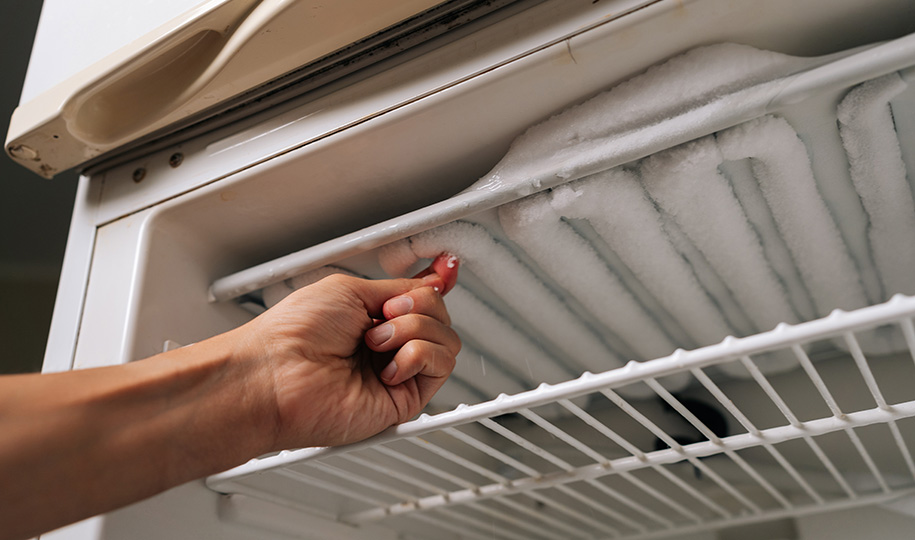
If you’ve opened your freezer and found a wall of frost or a sheet of ice on the bottom, you’re not alone. Ice buildup in freezers is a pretty common issue. But when there’s too much frost, it can affect your freezer’s performance and even cause your food to spoil.
In this guide, we’ll break down what causes ice to form, how to defrost your freezer, and what you can do to stop the problem for good.
What Causes Ice Buildup in a Freezer?
Several things can cause frost or ice to build up inside your freezer. Once you know why ice is building up in your freezer, it’s easier to fix it and prevent it from happening in the future.
Warm Air Is Getting Inside
The most common reason for ice buildup in a freezer is warm air sneaking in. When that warm, humid air hits the cold surfaces in your freezer, it turns into frost. This can happen if:
- The freezer door doesn’t close all the way
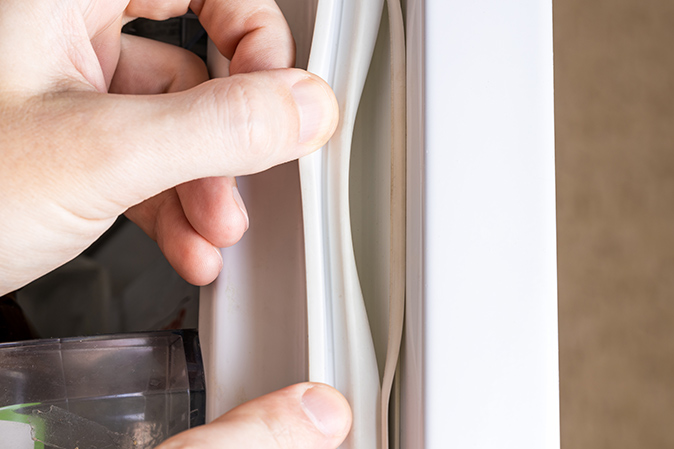
- The door seal (called the gasket) is cracked or dirty
- You open the freezer door too often or leave it open too long
The Freezer Temperature Is Too Low
It’s easy to think that colder is better, but if the temperature is set too low, your freezer may overfreeze. The ideal freezer temperature is 0° F. If yours is much colder than that, it may cause excess frost to build up.
Your Freezer Is Too Full or Too Empty
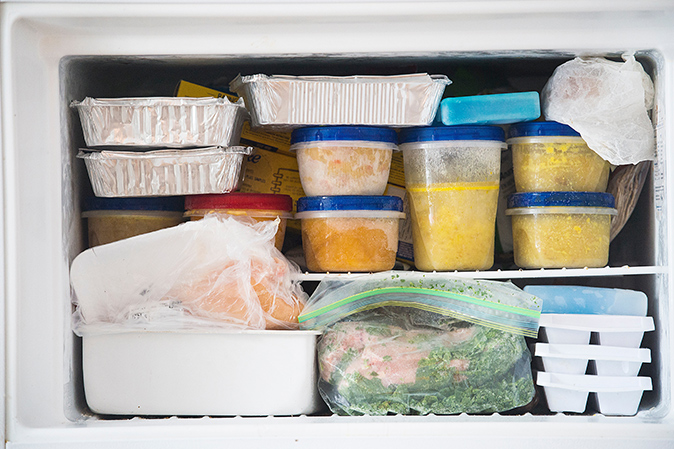
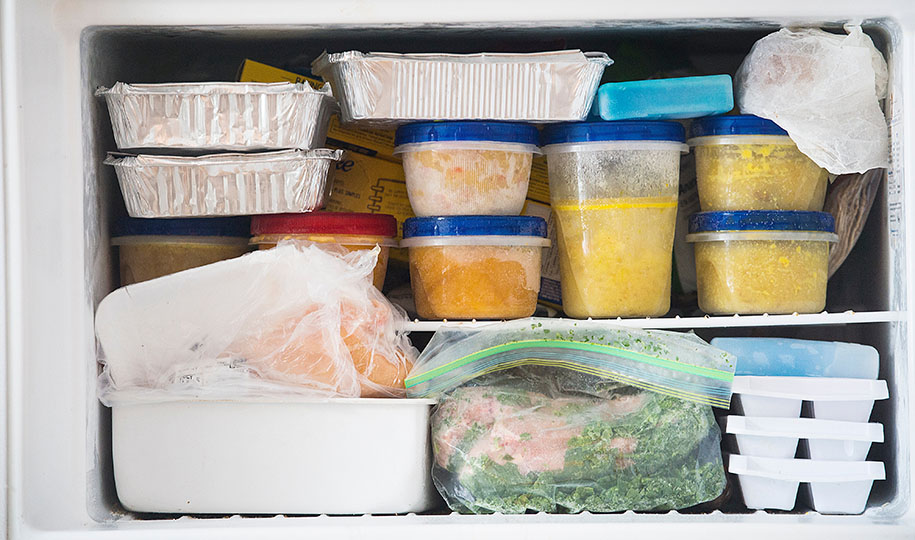
Freezers work best when they’re about 75% to 80% full. If your freezer is packed tight, the air can’t circulate properly, which can cause cold spots and frost to build up. On the flip side, if your freezer is nearly empty, it must work harder to keep the food cold, which can also lead to ice buildup.
The Defrost Drain Is Clogged
If there’s ice building up at the bottom of your freezer, a clogged or frozen defrost drain could be to blame. When your freezer defrosts, water typically drains through a small hole. But if the drain is blocked, that water refreezes at the bottom of the freezer.
Your Freezer has a Mechanical Issue
Often, signs of frost can mean something is wrong with the freezer. A broken defrost timer, heater, or thermostat can all cause ice to build up. If you’ve tried everything else and the frost keeps returning, it might be time to call a technician.
Like other kitchen appliances, freezers can wear down over time and need professional repairs.
How to Remove Frost Buildup from the Freezer
If your freezer has already accumulated thick frost or ice, it’s time to defrost. Here’s what you can expect from the process, step by step:
Step 1: Unplug the Freezer
Start by unplugging your freezer. If it’s a fridge-freezer combo, you’ll need to unplug the whole unit or turn off the breaker. This keeps you safe and lets the ice start to melt.
Step 2: Empty the Freezer
Take everything out of your freezer and store it in a cooler or another freezer if you have one. This is also a good time to toss old or expired food.
Step 3: Set Towels or a Tray to Catch Water
As the ice melts, water will drip down along the bottom and behind the freezer. Use paper towels, rags, or a shallow tray to collect the water.
Step 4: Try Speeding Things Up
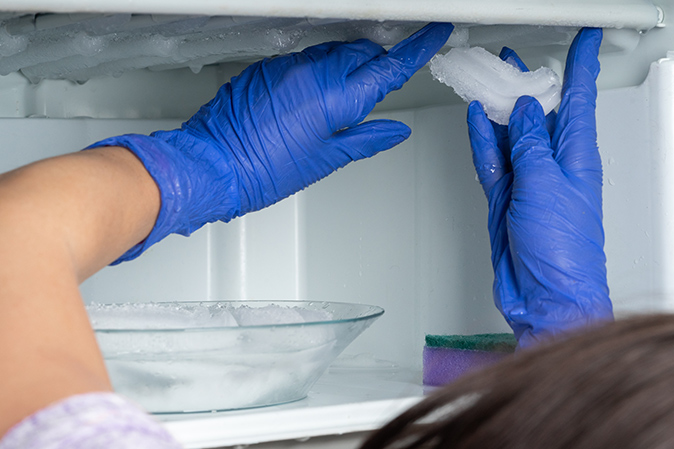
You can let the freezer defrost naturally, or speed it up by placing a bowl of hot water inside. Avoid using sharp tools to chip away at the ice — this can damage your freezer.
Step 5: Clean and Dry the Freezer
Once all the ice has melted, wipe the inside clean with a washcloth and soap. Then, let your freezer dry completely.
Step 6: Plug It Back in and Reload It
Turn the freezer on and wait until it’s cold again before putting frozen food back in.
How to Prevent Ice from Building Up in Your Freezer
Once your freezer is clear of ice buildup, here’s how to keep it that way:
- Keep the door closed as much as possible
- Check the door gasket for cracks, dirt, or gaps
- Don’t overload or underload your freezer
- Keep the temperature set to 0° F
- Defrost and clean your freezer once or twice a year
- Avoid putting hot or warm food straight into the freezer
- Make sure food is tightly sealed to limit moisture
- Leave some space around the vents for air to circulate
Get Peace of Mind With Refrigerator Coverage
When your freezer is not working correctly and you have home warranty coverage for your refrigerator, you have a budget-friendly way to resolve covered issues and keep it running reliably. If you have a freezer-refrigerator combo, your freezer is automatically covered under a refrigerator warranty. A home warranty protects many additional home appliances and systems when they break due to normal wear and tear.
Get a free home warranty quote and learn more about our coverage and how it can help safeguard your budget from costly repairs and replacements.
The contents of this article are provided for general guidance only. First American Home Warranty does not assume any responsibility for losses or damages as a result of using this information.
Please be aware that if you disassemble a covered system or item, it can invalidate your home warranty or manufacturer's warranty.





Home Care Buzz Experts
The First American Home Care Buzz team is made up of experienced home warranty writers and editors. Our team provides valuable insights and information to help homeowners like you meet the daily challenges of homeownership.
This article is about...