
Why Is My Freezer Not Freezing?
AUGUST 27, 2025 | Home Care Buzz Experts | 4 minute read
A freezer that won’t freeze is more than just an inconvenience. It could lead to spoiled food, wasted money, and frustration. If you’ve opened your freezer door to find soft ice cream or thawed meat, you’re not alone. Freezer problems are common and can be caused by several factors.
This guide covers the top reasons your freezer isn’t freezing, how to troubleshoot it, and when it’s time to call a pro for help.
Common Signs of Freezer Problems
Before diving into the causes, here are some signs your freezer isn’t working correctly:
- Ice cream is soft or melting
- Frozen items feel mushy or wet
- Frost or ice is building up in unusual places
- You hear strange noises coming from the appliance
- The freezer is running constantly or not at all
If your freezer is not cold enough, it won’t keep your food safe. Let’s look at why this might be happening.
1. Thermostat Settings Are Off
It might sound simple, but a bumped dial or incorrect digital setting is often the culprit. Freezers should be set to 0°F (minus 18°C). If yours is higher, adjust it and check back in 24 hours to see if your food items are properly frozen.
Quick Fix:
Double-check the thermostat or temperature control panel. If your freezer-not-freezing problem started after you cleaned or restocked it, this is an easy first step you should take.
2. Overpacked Shelves or Blocked Vents
Your freezer relies on cold air circulation to stay at the right temperature. Blocking the air vents or overfilling the shelves can lead to uneven cooling and freezer problems.
What to Do:
- Leave space between items so air can circulate
- Keep vents clear
- Avoid stuffing the freezer more than 75% full
3. Dirty Condenser Coils
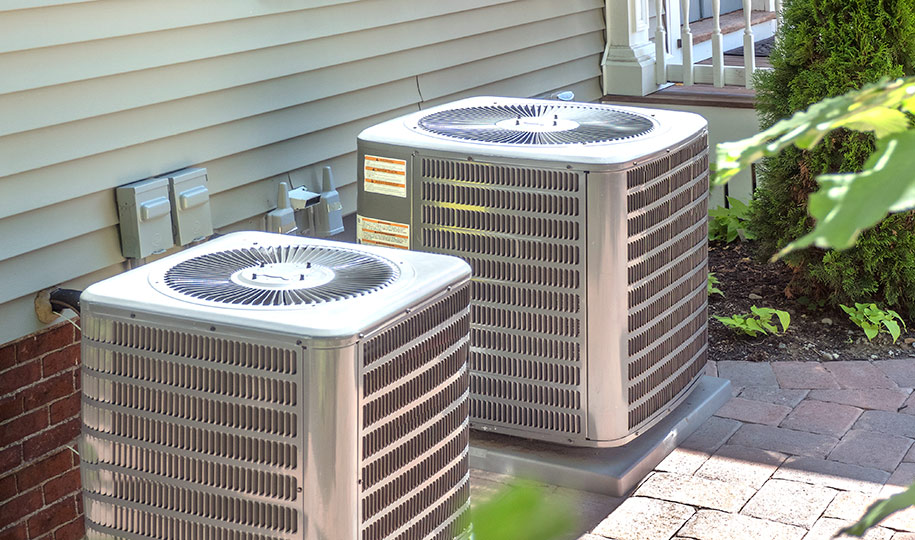
Your freezer’s condenser coils (usually located behind or underneath the unit) help release heat. When they’re clogged with dust or debris, it’s harder for your freezer to stay cold. This can lead to your freezer not freezing properly or running constantly.
Quick Fix:
To clean the coils, unplug your fridge and use a vacuum or coil brush to remove buildup. It’s a good idea to clean the coils every six months.
4. Faulty Evaporator Fan
If your fridge is working well and humming, but your freezer is not working, the evaporator fan might be to blame. This fan moves cold air from the freezer throughout the appliance. If it fails, your freezer may not be getting any cold air.
What to Look for:
- No airflow inside the freezer
- Unusual clicking or buzzing noises
- Freezer light is on, but everything feels warm
You will likely need a professional to inspect and replace the fan.
5. Defrost System Failure
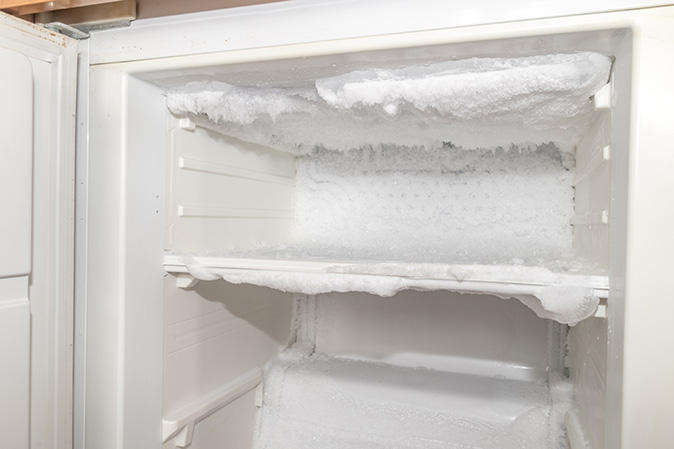
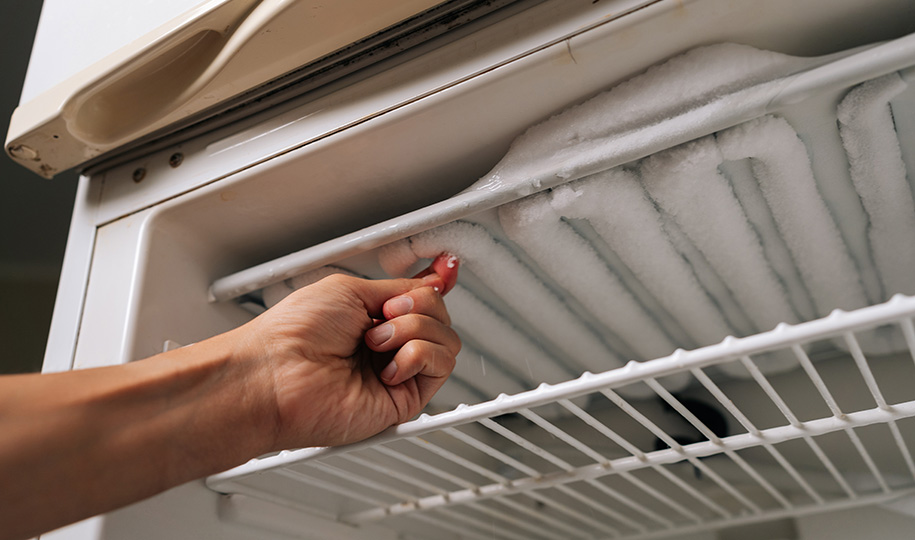
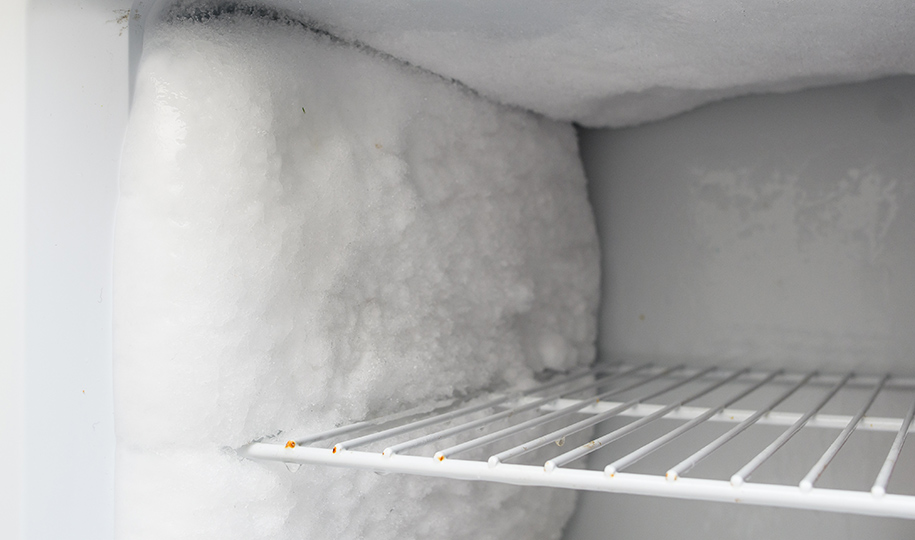
Modern freezers have a defrost cycle to prevent ice buildup. If it breaks, ice may start to clog the air vents and cooling coils. This can cause both your freezer and refrigerator to stop cooling efficiently.
What to Do:
- Check for frost buildup on the back wall
- Manually defrost the broken freezer by unplugging it for 24 to 48 hours
- If the issue comes back, the defrost heater or timer may need a repair
6. Broken Door Gasket
If your freezer isn’t maintaining a cold temperature, warm air could leak through a cracked or loose door gasket. That can make the compressor work harder and lead to temperature fluctuations that prevent freezing.
What to Look for:
- Cracked, loose, or warped rubber seals
- Condensation or frost around the door
- A door that doesn’t fully close
What to Do:
Use the dollar-bill test: Close the freezer door on a dollar bill. If you can pull it out easily, the gasket may need to be replaced.
7. Compressor or Relay Failure
If your freezer is still warm after trying the fixes above, the compressor or start relay could be malfunctioning. These components power the cooling cycle, and when they fail (especially in older units), it can lead to a broken freezer.
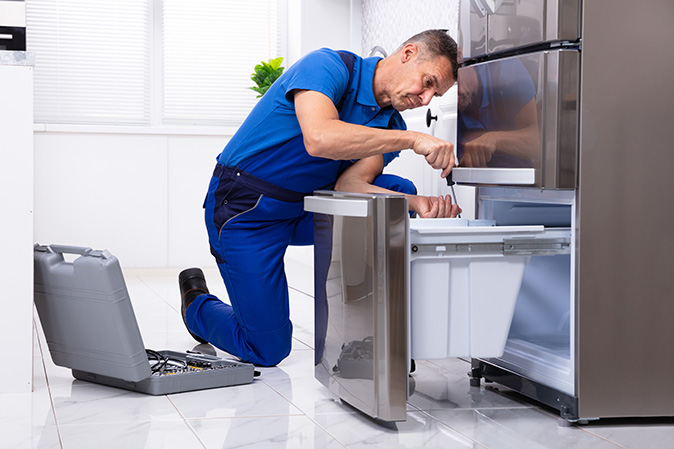
You may notice signs like a clicking sound with no cooling, a compressor that’s hot to the touch, or a fan that runs while everything inside stays warm. These are not DIY repairs and may require replacing the compressor or the entire refrigerator if it’s near the end of its life. Be sure to call a professional for these types of fixes.
A Home Warranty Can Help
There are plenty of reasons why your freezer is not freezing, but many issues are simple fixes you can handle yourself, such as adjusting the thermostat and cleaning the coils.
If the problem turns out to be something more serious, like recurring refrigerator and/or freezer problems, and you have a home warranty from First American Home Warranty, it can help you manage the repair or replacement costs of covered items. Having one of our comprehensive plans in place can reduce stress, save time, and offer peace of mind when covered items fail.
Get a free quote today to learn more about our coverage and how it can help protect your home’s major appliances and systems.
FAQs About a Freezer Not Freezing
Does a home warranty cover freezer repairs?
A First American home warranty can cover broken freezer repairs if the unit is included in your plan. Coverage varies, so check your home warranty contract or call 888.875.0533 for details.
Can a home warranty cover a refrigerator and freezer not cooling?
Yes, if both are included under your plan, a home warranty may help manage repair or replacement costs for covered issues with your refrigerator and freezer not cooling.
Why is the refrigerator working, but my freezer is not freezing?
This is often a sign of airflow problems or fan failure. If you're wondering, why is my refrigerator working but the freezer not freezing, check the vents and fans before calling for service.
Why is my freezer running but not freezing?
If your freezer sounds like it’s running but nothing is freezing, the problem may be with the thermostat, compressor, or blocked airflow. You may want to check the condenser coils and the door gasket.
How cold should my freezer be?
Freezers should be set to 0°F (minus 18°C) for safe food storage. If your freezer is not cold enough, it could lead to spoiled food, even if things feel cool.
The contents of this article are provided for general guidance only. First American Home Warranty does not assume any responsibility for losses or damages as a result of using this information.
Please be aware that if you disassemble a covered system or item, it can invalidate your home warranty or manufacturer's warranty.





Home Care Buzz Experts
The First American Home Care Buzz team is made up of experienced home warranty writers and editors. Our team provides valuable insights and information to help homeowners like you meet the daily challenges of homeownership.
This article is about...