
Ice Maker Not Working: A Troubleshooting Guide
JULY 15, 2025 | Home Care Buzz Experts | 4 minute read
Your refrigerator’s ice maker is a handy feature — until it stops working. Maybe you’re not getting any ice, the cubes are too small, or they taste off. Whatever the issue, a broken ice maker can throw things off, especially when you need it most.
The good news is that most ice maker problems are easy to spot, and you can often fix them yourself. Below, we’ll walk you through the most common signs your ice maker isn’t working, explain what causes the problem, and show you how to fix it step by step.
Why is My Ice Maker Not Working?
There are several reasons why your ice maker might stop working. Some are simple, like a jammed chute or a clogged filter. Others involve water flow or temperature problems. Luckily, you can often fix it yourself without needing to call a professional.
Let’s walk through the most common signs your ice maker isn’t working properly, the likely causes, and potential solutions.
Signs an Ice Maker Isn’t Working
It’s not always obvious what’s wrong with your ice maker, but here are clear signs it’s having trouble:
- No ice coming out at all
- Ice isn’t dropping into the bin
- It’s making less ice than usual
- Cubes are too small or hollow
- Ice tastes or smells weird
- The ice maker doesn’t make any noise (no clicks or hums)
- You hear the motor running, but no ice is coming out
- The ice bin is stuck or won’t fill
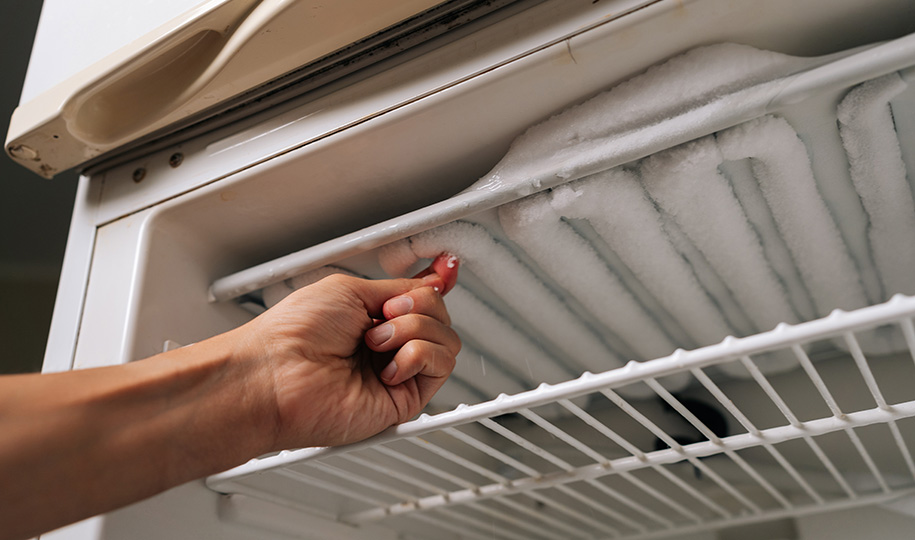
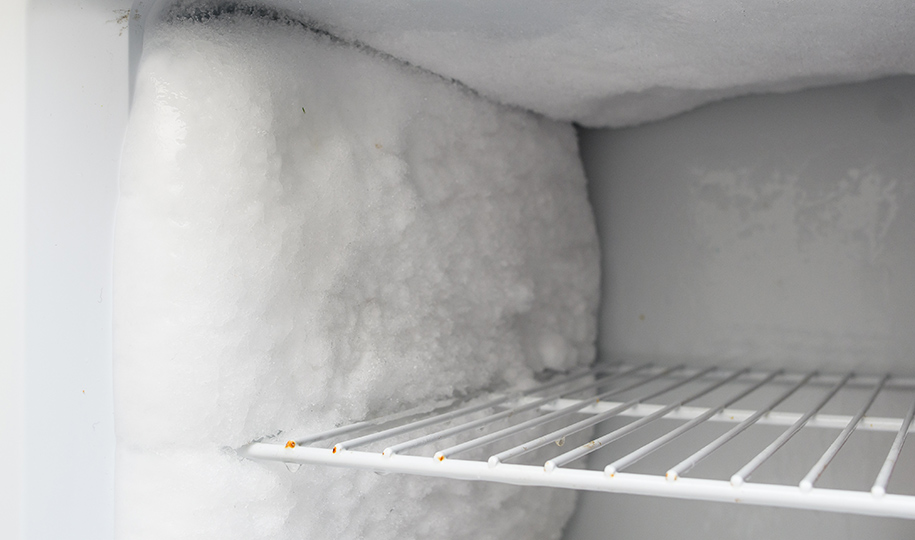
- You see frost buildup around the chute or bin
If you're noticing one or more of these, it's time to troubleshoot.
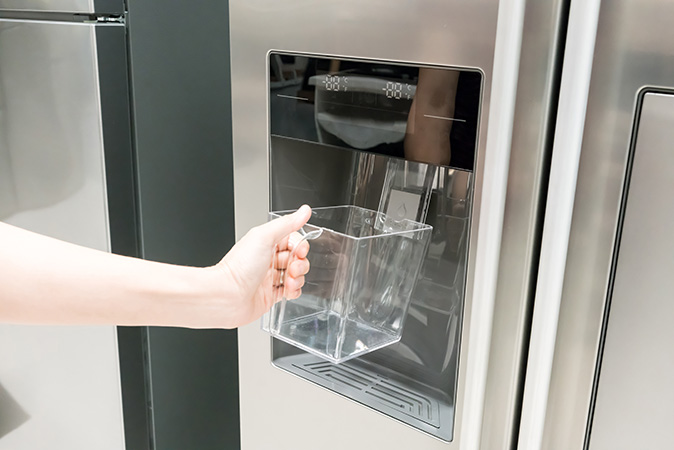
5 Common Causes (and Solutions) to a Broken Ice Maker
Below are the most common problems people face with their ice makers and simple solutions you can try at home.
1. Blocked Ice Dispenser
A common reason ice doesn’t drop into the bin is a jam in the chute or dispenser. Ice can clump together or freeze in place, especially if the ice maker is not used frequently. Frost buildup can also block the ejector arm.
Possible Solutions
- Break up clumps: Use a plastic utensil to loosen stuck ice gently.
- Melt frost: Pour warm (not hot) water down the chute to melt frozen bits.
- Free the ejector arm: Gently lift and lower it a few times to help it move freely.
- Re-seat the ice bin: Make sure it’s pushed in all the way and sitting level.
2. Old or Clogged Water Filter
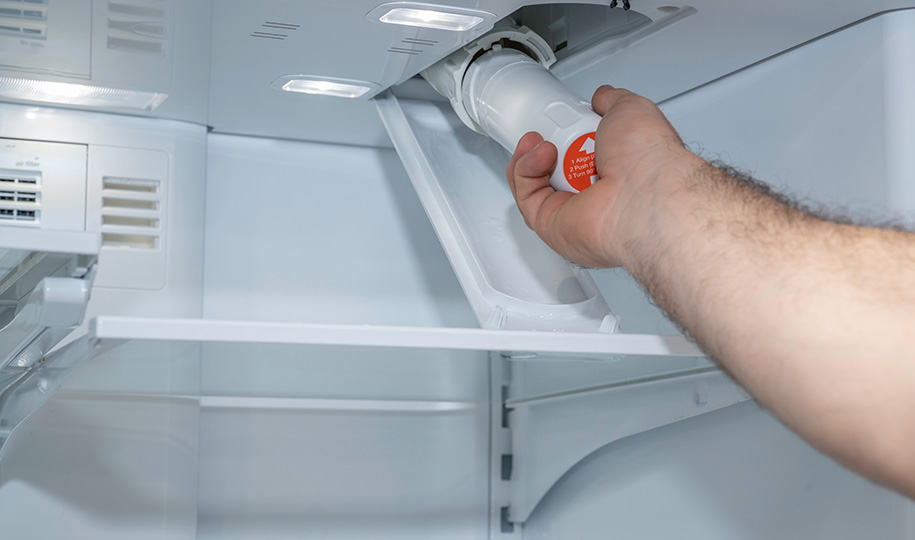
If your refrigerator water filter is old or clogged, water flow can slow down or stop completely. That means your ice maker can’t fill the tray fast enough (or at all). Dirty filters also let in minerals and contaminants that make your ice taste funny.
Possible Solutions
- Replace the water filter: Do this every six months or sooner if you notice slowing water flow.
- Flush the system: After swapping the filter, run a few batches of ice to clear out old water.
- Choose the right filter: Use one that fits your fridge model exactly. Generic filters can cause water flow issues.
3. Temperature is Too Low or High
If your freezer is too cold, water can freeze before the tray fills completely, leading to tiny or hollow cubes. On the other hand, if it’s not cold enough, the water won’t freeze at all.
Possible Solutions
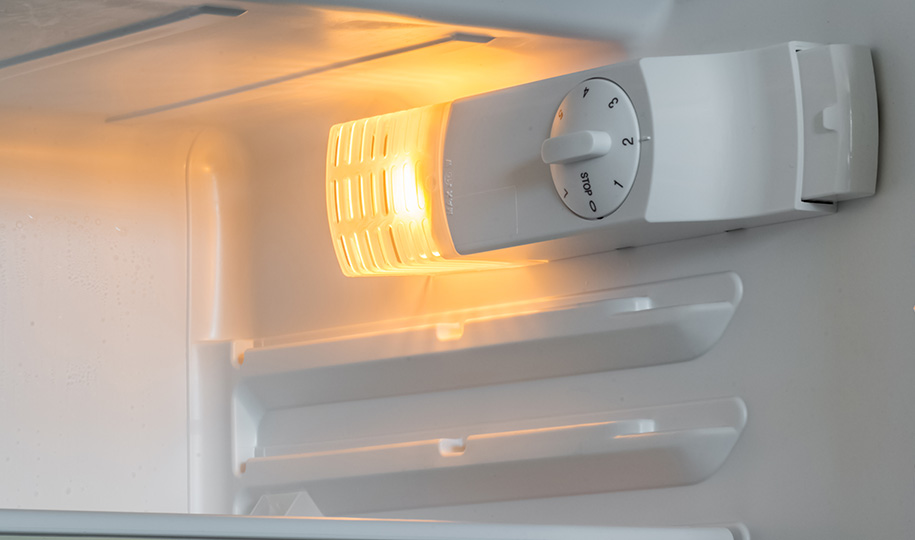
- Check the thermostat: Aim for 0°F to 5°F.
- Use a fridge thermometer: Don’t rely only on the digital display; check the actual temp.
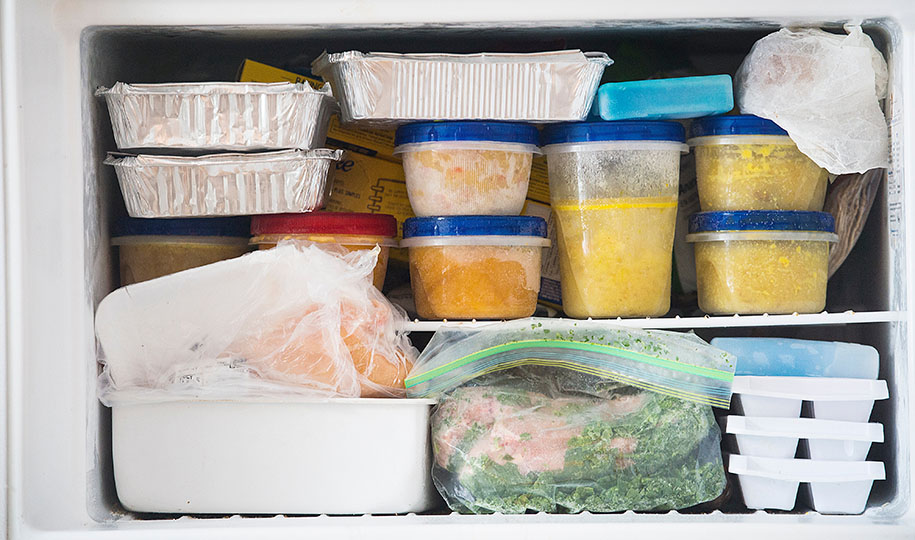
- Avoid overpacking the freezer: Good airflow helps keep the temperature steady.
4. Water Valve Problems
The inlet valve opens and closes to let water into the ice tray. If it fails, water comes through slowly or can’t get through at all. Also, you might hear no sound during an ice cycle.
Possible Solutions
- Listen for a click: You should hear a small click. No sound may mean the valve isn’t opening when the cycle starts.
- Check for cracks or leaks: Turn off the water supply and inspect the valve and connections.
- Call a pro if needed: Don’t hesitate to get help if you suspect the valve needs replacing, as it can involve electrical work.
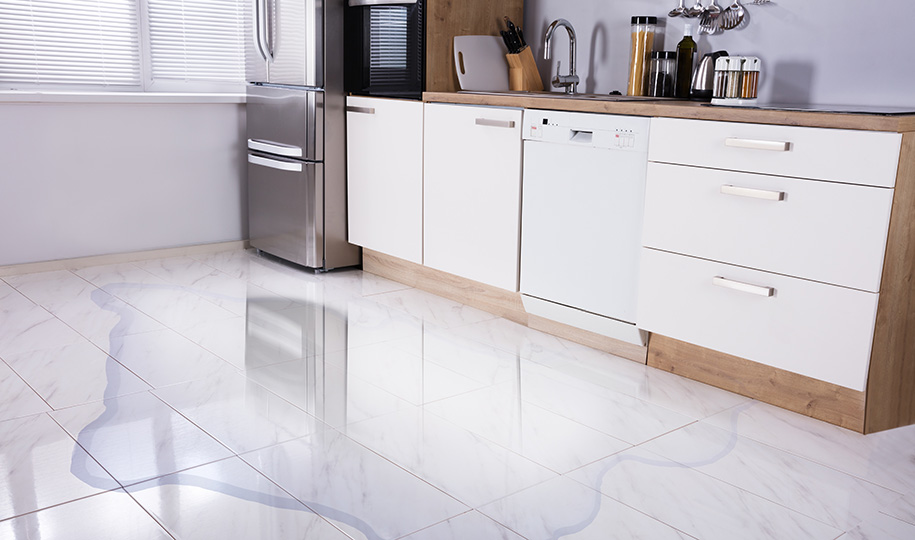
5. Water Line Issues
If both your ice maker and water dispenser stop working, it usually means there’s a problem with the water line. A frozen line, kink, clog, or air in the water lines can cut off the water supply to both features or cause issues with water getting to your fridge.
Possible Solutions
- Inspect the line: Check for visible kinks or bends behind your fridge.
- Thaw the line: If frozen, unplug the fridge and use warm towels or a hairdryer on low to gently thaw the line.
- Flush the line: Disconnect the water line (per your manual) and run water through it to clear out any debris.
Can You Repair Your Refrigerator’s Ice Maker Yourself?
In many cases, you can handle basic repairs yourself. Clearing a jam, replacing a water filter, or adjusting the freezer temperature are quick, low-cost fixes.
But if none of these steps solve the problem, you might need a new part, such as a valve, motor, or sensor. If you have refrigerator warranty coverage, those repairs may be taken care of, so it's a good idea to check what your plan covers.
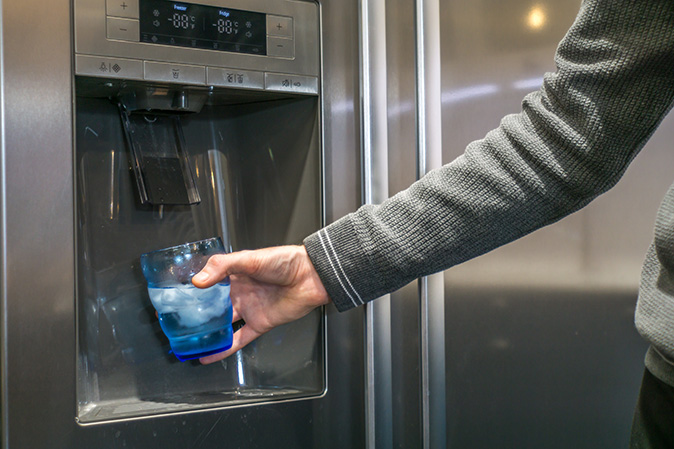
Tips to Prevent Your Ice Maker from Breaking
Stay ahead of common problems with a little freezer and refrigerator maintenance:
- Replace the water filter every six months
- Keep your freezer between 0°F and 5°F
- Use the ice maker regularly to keep parts moving
- Store food in sealed containers to avoid unpleasant ice smells
- Clean the ice bin every few weeks
- Avoid overpacking the freezer
- Check the water line often for kinks, leaks, or freeze-ups
- Defrost any frost buildup around the chute
Stop Ice Maker Issues Before They Start
When your ice maker acts up, don’t panic. Most problems only take a few minutes to figure out, and many don’t require help from a professional. If you’ve got a home warranty, you may already be covered for repairs or part replacements.
Get a free quote today and find out how a home warranty can take care of your refrigerator, and other major appliances and systems you rely on.
The contents of this article are provided for general guidance only. First American Home Warranty does not assume any responsibility for losses or damages as a result of using this information.
Please be aware that if you disassemble a covered system or item, it can invalidate your home warranty or manufacturer's warranty.



Keep Reading


Home Care Buzz Experts
The First American Home Care Buzz team is made up of experienced home warranty writers and editors. Our team provides valuable insights and information to help homeowners like you meet the daily challenges of homeownership.
This article is about...