
How to Defrost Your Freezer: A Step-by-Step Guide
FEBRUARY 17, 2026 | Home Care Buzz Experts | 4 minute read
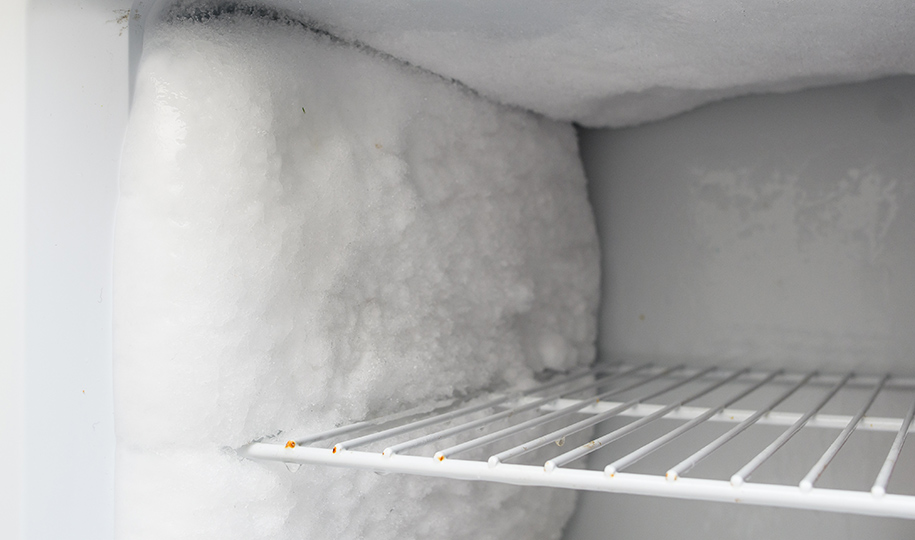
A freezer that’s packed with frost not only makes it harder to find your favorite foods but also decreases efficiency, leading to higher energy bills. Learning how to defrost your freezer properly can help you maintain a clean, efficient appliance and prevent long-term issues.
Below, we’ll walk you through the step-by-step process, explain how long it takes to defrost a freezer, and share tips to prevent frost buildup in the future.
Step-by-Step Instructions on How to Defrost Your Freezer
Defrosting doesn’t have to be a hassle. Follow these simple steps to get the job done quickly and safely.
Step 1: Unplug and Empty the Freezer
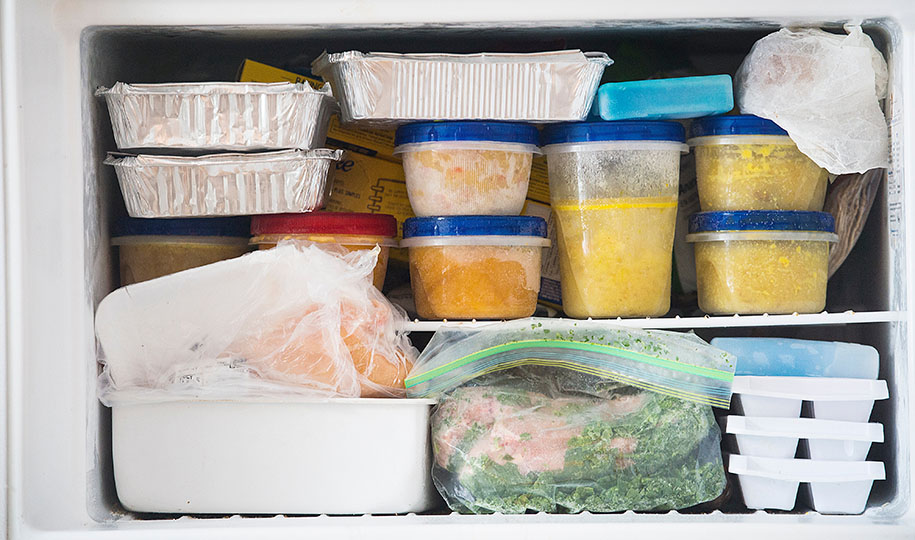
Always unplug your freezer before defrosting it. This step ensures electrical safety when working with water and ice. Remove all food items and place them in insulated bags, coolers, or another freezer if available.
Step 2: Protect Floors and Surfaces
Lay towels or plastic sheeting around the base of the appliance. As the ice melts, water will collect quickly. Controlling this runoff prevents damage to floors.
Step 3: Speed Up the Defrosting Process
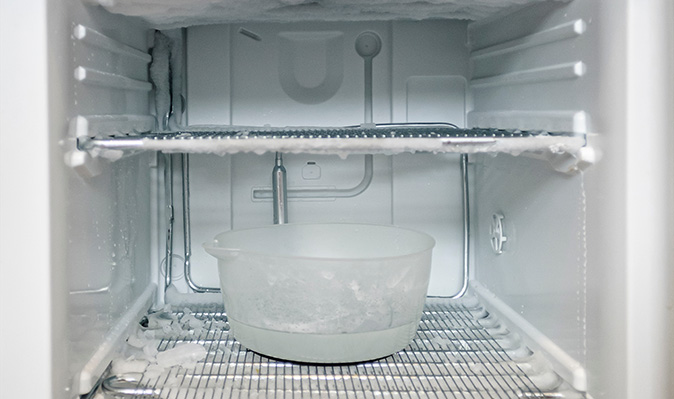
Defrosting your freezer naturally can take several hours, but there are safe ways to speed up the process. Placing bowls of hot water in the freezer helps accelerate melting, while using a fan can circulate warm air to loosen the frost more quickly.
Step 4: Remove Ice Buildup Safely
Once the ice loosens, carefully break it apart and remove it in chunks. Avoid using sharp tools and never chip at the frost with knives or metal utensils, as this can damage the interior. Instead, use a hard plastic freezer scraper or plastic spatula to gently remove the ice. This speeds up the cleaning process and prevents water overflow.
Step 5: Clean and Dry the Interior
When all the ice is gone, wipe down the inside with warm water and mild dish soap. A clean, dry freezer helps reduce future frost.
Step 6: Plug Back In and Restock
After drying, plug the freezer back in and allow it to cool for 15 to 30 minutes before restocking it with your food items. Your freezer should now run more efficiently thanks to the improved storage space.
Related: Ice Maker Not Working: A Troubleshooting Guide
How Long Does It Take to Defrost a Freezer?
The time it takes to defrost a freezer depends on factors such as the extent of the ice buildup and whether you let the frost melt naturally or choose to accelerate the process.
- Natural defrosting: 6 to 8 hours
- Defrosting with hot water bowls: 2 to 4 hours
- Defrosting with fans: 1 to 2 hours
Smaller freezers and newer models may defrost faster, while large or heavily frosted appliances will typically take longer. No matter the defrosting method, always prioritize safety and never use sharp objects to speed things up.
Why It’s Important to Defrost Your Freezer
Understanding how to defrost freezer models properly is essential for both performance and food safety. Frost buildup reduces airflow, which forces the appliance to work harder. This leads to higher utility bills and can eventually shorten the freezer’s lifespan.
Regular defrosting also helps improve food preservation. When ice buildup covers vents and shelves, cold air circulation suffers, leading to uneven temperatures and potential spoilage. Taking the time to remove ice buildup in freezer compartments protects your food and your appliance investment.
Tips to Prevent Frost in Freezers
Defrosting your freezer once or twice a year is standard, but prevention is just as important. Here’s how to prevent frost from accumulating in freezer spaces:
- Check door seals: A worn or loose gasket lets warm air in, causing condensation and frost. To maintain proper insulation, inspect seals regularly and replace any that are cracked or damaged. A tight seal keeps cold air in and reduces energy costs.
- Organize food properly: Allow airflow between items instead of overstuffing your freezer. Use bins, shelves, and labeled bags to separate foods. Proper organization improves cold air circulation, helps maintain a consistent temperature, and makes it easier to find items.
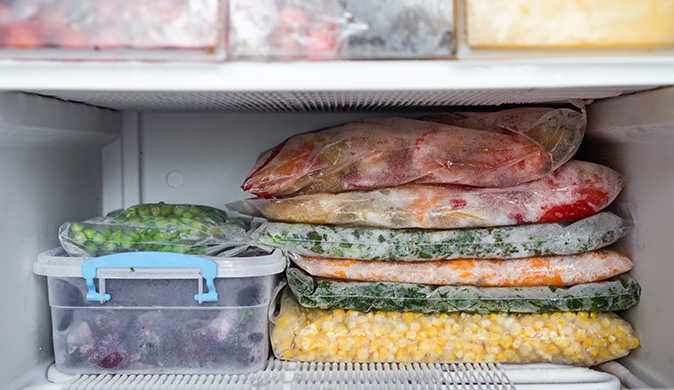
- Cool food before storage: Placing hot food directly into a freezer can create unnecessary moisture. Let leftovers or hot dishes cool to room temperature or refrigerate briefly before freezing. This reduces condensation, frost buildup, and potential freezer odor.
- Limit door opening: The less warm air that enters your freezer, the less frost will form. Minimize how long the door stays open and avoid repeatedly opening and closing the freezer while searching for items. This habit helps maintain consistent temperature and efficiency.
- Perform periodic checks: Even when not actively defrosting, inspect your freezer monthly for frost buildup. Catching it early prevents large ice formations and keeps your appliance running efficiently.
Related: 8 Signs Your Refrigerator is Dying
Freezer Maintenance Tips
Beyond learning how to defrost your freezer, simple upkeep can help your appliance run smoothly. These tips help reduce the need for frequent defrosting and keep your freezer working at its best:
- Schedule regular cleanings: Wipe up spills immediately and deep-clean the interior every 3 to 6 months. This prevents odor, bacterial buildup, and excessive frost. Organizing food items helps keep the freezer clean and optimizes airflow.
- Vacuum coils: Dusty condenser coils make your freezer less efficient and can increase energy use. Vacuum the coils on the back or beneath the appliance every few months to improve performance and extend its lifespan.
- Defrost regularly: Routine defrosting prevents excessive ice buildup, improving energy efficiency and protecting your freezer’s motor.
- Check appliance performance: Pay attention to temperature fluctuations, unusual noises, and recurring frost. These may indicate a larger problem that requires repairs.
- Call for service when needed: If frost returns quickly or persists, there may be a larger issue, such as a faulty seal, thermostat issue, or motor malfunction. Early professional intervention can prevent costly repairs and keep your freezer functioning optimally.
Protect Your Appliances with a First American Home Warranty
While knowing how to defrost your freezer is important, breakdowns can still happen. From electrical issues to faulty parts, appliances wear out over time. That’s where home warranty coverage comes in. With a First American home warranty, you can enjoy budget protection and peace of mind when covered home appliances and systems unexpectedly break.
Get a free quote today and learn more about the many benefits our comprehensive coverage offers.
The contents of this article are provided for general guidance only. First American Home Warranty does not assume any responsibility for losses or damages as a result of using this information.
Please be aware that if you disassemble a covered system or item, it can invalidate your home warranty or manufacturer's warranty.


Home Care Buzz Experts
The First American Home Care Buzz team is made up of experienced home warranty writers and editors. Our team provides valuable insights and information to help homeowners like you meet the daily challenges of homeownership.
This article is about...