
Should You Get a Home Warranty When Selling Your House?
APRIL 20, 2026 | Home Care Buzz Experts | 6 minute read
Blog Summary
A seller’s home warranty is not a standalone product; instead, it’s a component of a prospective buyer’s home warranty plan.
Once a home is active on the market, seller’s coverage can be ordered to help repair or replace covered items that break during the listing period and beyond.
Home warranty coverage can add value to a listing, increase buyer confidence, and help reduce post-sale disputes.
Thinking about selling your home? Much like fresh paint and landscaping make a strong first impression, a seller’s home warranty can enhance a home’s overall value while it’s on the market — making it a smart addition to your selling strategy.
Read on to learn more about seller’s coverage and the many advantages it provides for both sellers and buyers.
What Is a Seller’s Home Warranty?
Similar to basic home warranty coverage that helps safeguard a homeowner’s budget from costly repairs and replacements when covered items break, seller’s home warranty coverage helps protect a seller while their property is on the market. When covered appliances and systems unexpectedly break during the listing period, seller’s coverage can step in with a convenient, budget-friendly way to resolve the problem and keep the home active in the market.
If the property is already in escrow with prospective buyers, seller’s coverage can keep the transaction moving forward, oftentimes preventing deals from derailing. And once the new buyers move in, home warranty coverage can help reduce post-closing disputes if covered appliances and systems suddenly stop working properly.
How Does a Seller’s Home Warranty Work?
Your real estate agent can order a seller’s home warranty for your home once it’s listed. A seller's warranty lasts for 180 days or until your home sells (the closing date), whichever comes first.
Keep in mind that a First American home warranty for home sellers is not a standalone product. Instead, it’s a component of the prospective buyer’s home warranty plan. In other words, once the sale closes, the home warranty is updated with the buyer’s contact and closing information, and coverage remains active for 12 or 24 months (depending on the plan). After that, the buyer can renew coverage annually.
Note: At closing, the buyer can change or add coverage upgrades and options, or even select a different First American real estate home warranty plan.
What Does a Seller’s Home Warranty Cover?
A home warranty for sellers helps reduce stress by covering key systems and appliances that can break down before closing. Common covered items include:
Can You Upgrade Your Seller’s Home Warranty Coverage?
First American offers optional upgrades that can be added together or separately to enhance the seller’s coverage, including:
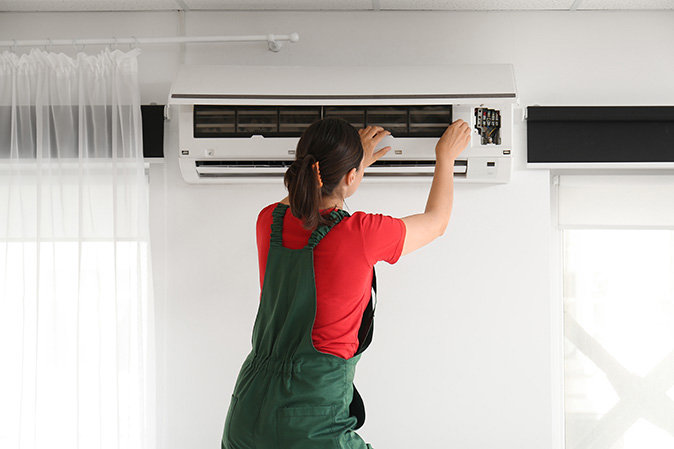
- HVAC coverage: Adds protection for your home’s heating, ventilation, and air conditioning systems.
- First Class Upgrade: Includes coverage for building permits, code upgrades, refrigerant removal, and disposal of replaced items.
Talk with your real estate agent to choose the right coverage and ensure your home is fully protected.
What’s Not Covered by a Seller’s Home Warranty?
Keep in mind, there are coverage limitations, such as:
- Issues that existed before your coverage started and could’ve been detected through a visual inspection. Home warranties for home buyers and sellers, however, have an exception for “unknown defects.” This means that if you couldn’t tell if something was broken by looking at or using it when the home warranty started, it may be covered.
- Cosmetic damage
- Misused or neglected appliances and systems
Always take the time to review your contract details so you understand exactly what's included and excluded from your coverage.
How Much Does a Seller’s Home Warranty Cost?
In most states, a seller’s home warranty is a component of the buyer’s home warranty plan. This means there is no separate cost for seller’s coverage. The cost is included in the buyer’s home warranty plan and is paid at closing.
However, in Florida and California, a seller’s home warranty plan does cost extra.
Who Pays for the Seller’s Home Warranty?
Like many parts of the home sale process, who pays for the home warranty is negotiable. It often depends on local market conditions.
In a buyer’s market, sellers may offer to include a home warranty to make their property more attractive and stand out. In a seller’s market, buyers might agree to cover the home warranty themselves to stay competitive.
A home’s age and condition can also play a role in deciding who pays for the home warranty. If a home has older systems or appliances, the seller may choose to pay for a home warranty to provide buyers with reassurance and help keep the transaction on track.
Benefits of a Seller’s Home Warranty When Selling a House
Besides offering much-needed peace of mind during an often-hectic time, seller’s coverage provides valuable protection during the home-selling process:
- Covers unexpected repairs: If a covered system or appliance breaks before closing, the home warranty can help resolve the issue without derailing the sale.
- Connects you with trusted pros: Access to a network of prescreened technicians saves time and stress when you need to request a repair.
- Makes your home more appealing: A home warranty can make your listing more attractive and may even help it sell faster.
- Increases buyer confidence: Buyers feel more secure knowing they’re protected if a covered item fails after moving in.
- Helps avoid closing delays: Home warranty coverage can help prevent last-minute issues that could lead to renegotiations or lost deals.
- Can keep transactions moving forward: If covered issues arise during the final walkthrough, seller’s coverage provides a repair/replacement solution to help avoid derailing the sale.
- No upfront payment required: The home warranty is typically paid through closing costs, so you don’t pay anything at the time of listing.
- Reduces post-sale disputes: If something breaks after closing, the buyer has a convenient solution, reducing the chances of callbacks or complaints.
- Provides seamless coverage for buyers: Coverage can continue for 12 to 24 months after the sale, with no gap in protection.

Should You Get a Seller’s Home Warranty?
Deciding to include a seller’s home warranty when listing your property depends on several factors, including the age and condition of your home and local market variables.
Seller’s coverage makes sense if your home is aging yet still has functioning appliances and systems. Items in older homes are more likely to break and are often viewed as red flags by prospective buyers. They’re also more likely to suffer from unexpected breakdowns that could delay a closing. Conversely, if the home you’re selling is new or has upgraded appliances and systems that are still under manufacturers’ warranties, a home warranty might not be necessary.
When you’re selling your home in a crowded market, including a seller’s home warranty can help your property stand out and increase visibility. Coverage can add value to your listing and reassure prospective buyers that a convenient repair/replacement solution is in place if covered items unexpectedly break.
The bottom line? Consider the market, along with the age and condition of your home, when deciding if seller’s coverage makes sense for you.
Simplify Your Sale With a Seller’s Home Warranty
When you’re ready to list your home, seller’s home warranty coverage can help strengthen your selling approach while providing financial peace of mind. It can help protect your budget from unexpected repairs and replacements, reduce the risk of closing delays, lower post-sale disputes, and add a valuable selling point that can make your home stand out.
After the sale, your buyers will appreciate the added budget protection that comes with continued coverage. As they settle into homeownership, this extra layer of financial support can help reduce the impact of unexpected repair costs.
Include a seller’s home warranty to help protect your home, attract more buyers, and sell with confidence. Talk to your real estate agent to see if it’s the right fit for your property.
FAQs About Seller’s Home Warranty Coverage
Who pays for the home warranty — the buyer or the seller?
Like many parts of the home sale process, who pays for the home warranty is negotiable. It often depends on local market variables and the condition of the covered appliances and systems. Payment is typically negotiated between the buyer and seller prior to closing and included in closing costs.
Does a home warranty help sell a house faster?
Seller’s coverage offers a convenient repair/replacement solution that can be particularly appealing to prospective buyers. Although it doesn’t guarantee a faster home sale, it can help strengthen buyer confidence during the transaction if a covered household item breaks prior to closing.
What does a seller’s home warranty cover during the listing period?
A First American seller’s home warranty typically covers plumbing and electrical systems, water heaters, dishwashers, and garbage disposals. Sellers can also add HVAC coverage and our First Class Upgrade, which includes coverage for building permits, code upgrades, refrigerant removal, and the disposal of replaced items.
What are the benefits of a seller’s home warranty?
Seller’s coverage is a component of the prospective buyer’s home warranty plan that offers a convenient repair/replacement solution when covered appliances and systems break while a home is on the market. It can add value to a listing, provide budget protection when covered appliances and systems unexpectedly break, and help reduce post-sale disputes.




Keep Reading






Home Care Buzz Experts
The First American Home Care Buzz team is made up of experienced home warranty writers and editors. Our team provides valuable insights and information to help homeowners like you meet the daily challenges of homeownership.
This article is about...