
What Is a Self-Cleaning Oven?
NOVEMBER 25, 2025 | Home Care Buzz Experts | 5 minute read
If you’ve ever battled stubborn grease or charred drips at the bottom of your oven, you know it’s one of the toughest kitchen chores. That’s why many modern ovens include a self-cleaning feature. Instead of spending time scrubbing, you can simply set your oven to self-clean mode, which uses heat or steam to do most of the heavy lifting for you.
What is a self-cleaning oven? And how does a self-cleaning oven work? We’ll break down everything, including how long it takes for a self-cleaning oven to complete the job and what additional work may be required during the process.
Types of Self-Cleaning Ovens
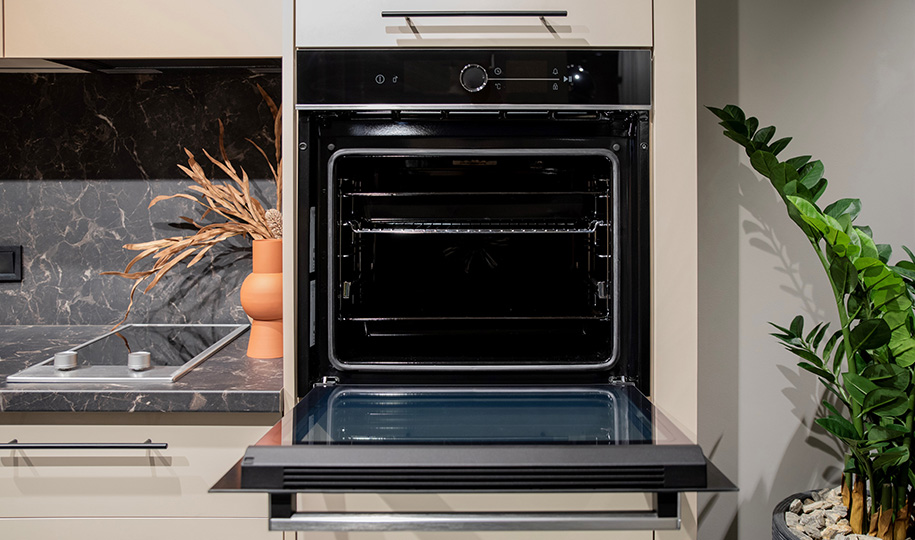
A self-cleaning oven is an appliance that uses very high heat or steam to loosen and reduce food residue inside the oven cavity. Instead of scrubbing with harsh cleaners, you simply press a button on your oven and let the appliance handle most of the work itself.
There are two main types of self-cleaning ovens:
- Pyrolytic (high-heat) self-cleaning ovens: These heat up to extreme temperatures — often 800 to 1,000 degrees Fahrenheit. At this level, leftover food particles are reduced to ash that can be wiped away with a damp cloth once the cycle is complete and the oven has cooled completely.
- Steam-cleaning ovens: These use a small amount of water at a lower temperature to create steam. The steam softens grime, allowing it to be wiped away. While not as heavy-duty as pyrolytic cleaning, steam cleaning is a quicker option.
Both types are considered self-cleaning because they eliminate most of the elbow grease needed to keep your oven running smoothly.
How Does a Self-Cleaning Oven Work?
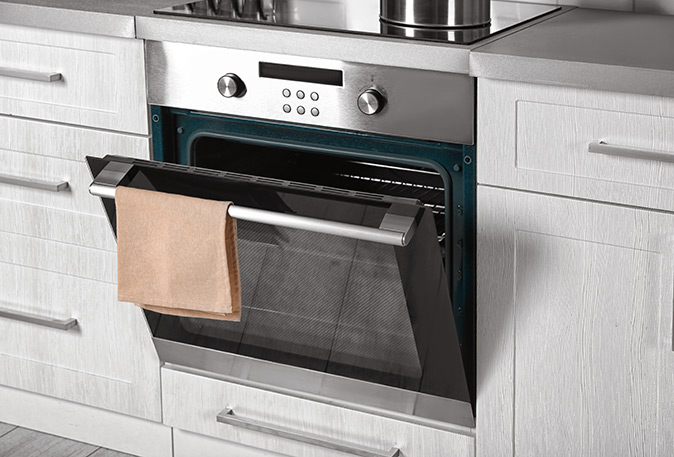
When you turn on the self-cleaning feature, the oven door automatically locks. This lock keeps the extreme heat or steam contained and prevents anyone from opening the door until it’s safe.
- In a pyrolytic (high-heat) oven, the temperature rises to around 800°F or more. At this level, grease, spills, and crumbs are incinerated into fine ash. A self-cleaning cycle can take anywhere from 2 to 6 hours, depending on your oven model and how messy it is.
- In a steam-cleaning oven, place the specified amount of water inside the oven according to the manufacturer’s instructions. The water is heated inside the cavity, and the resulting steam loosens grime and food particles, making them easier to wipe away. These cycles are shorter (often for an hour) but may need to be run more frequently if you use your oven often.
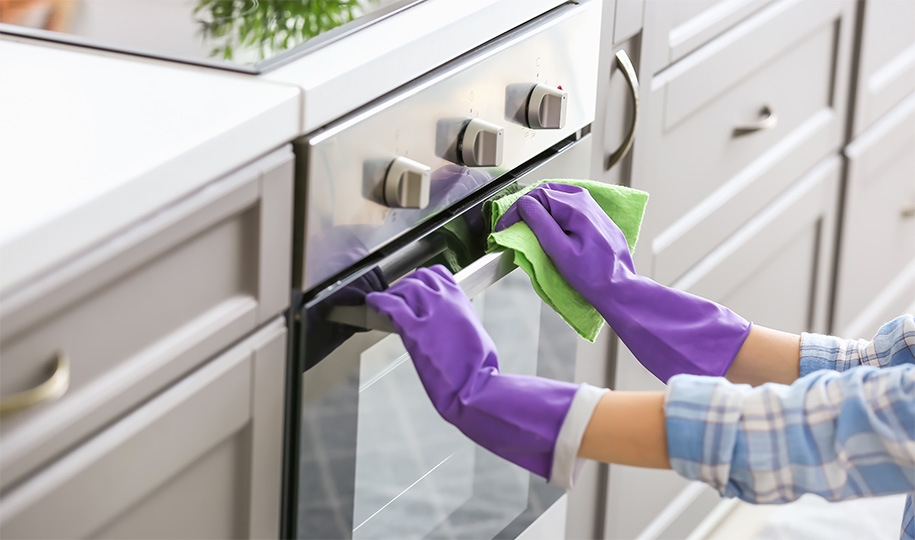
After the cleaning cycle finishes, the oven remains locked until it cools down to a safe temperature. At that time, it will unlock automatically, and you can wipe away the ash or loosened debris with a damp cloth.
How Long Does a Self-Cleaning Oven Cycle Take?
The time it takes depends on the type of oven and the cleaning method used:
- Pyrolytic self-cleaning ovens: These take longer, ranging from 2 to 6 hours, depending on the level of buildup and the oven's brand.
- Steam-cleaning ovens: These are much faster, typically taking between 30 minutes and 1 hour.
So, how long does a self-cleaning oven take in real-world use? If you’re running a complete pyrolytic cycle, you’ll likely need to set aside a good chunk of your day, since high-heat cycles may last several hours. If you have a steam-cleaning oven, you’ll likely use it more often for quick, light cleaning when your oven needs a refresh.
How to Run a Self-Cleaning Oven Cycle
To get the best results, follow these simple steps before and during a cycle:
Step 1: Remove Everything Inside
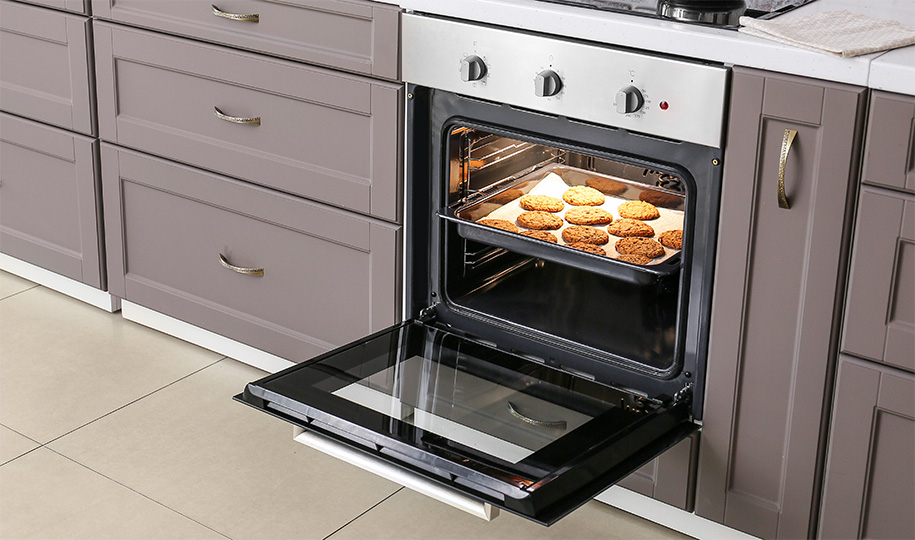
Remove all racks, foil, cookware, and any liners inside your oven. These can discolor or warp when exposed to high heat.
Check the storage drawer on oven ranges, too. Sometimes, items get tucked there and can heat up during the cycle.
Step 2: Wipe Up Large Spills
Heavy spills can cause smoke and odors. A quick wipe-down of crumbs and greasy spots helps minimize this. For stubborn spots, use a damp cloth with a small amount of baking soda or mild soap.
Step 3: Ventilate Your Kitchen
Open a window or run your exhaust fan to prevent odors from lingering. If you have pets, especially birds, move them to another room until the cycle is complete.
Step 4: Start the Cycle
Choose the setting that matches the level of buildup. Some ovens let you select from light, medium, or heavy settings.
Step 5: Wait for the Cool-Down
After the cleaning cycle is complete, the oven will remain locked until it cools to a safe temperature. Once it unlocks, wipe away ash or softened residue with a damp cloth or sponge. Avoid scrubbing the gasket around the door — this helps keep the seal intact.
Pros and Cons of Self-Cleaning Ovens
Like most appliances, self-cleaning ovens have advantages and limitations:
Pros:
- Saves time and effort compared to manual scrubbing
- Reduces or eliminates the need for harsh oven cleaners
- Keeps your oven running efficiently by reducing buildup
Cons:
- Cleaning cycles can be long and energy-intensive, particularly for gas stoves
- High heat can produce smoke and odors
- Not all parts of the oven (like oven racks or glass doors) are included in the cleaning process
What Other Maintenance Does a Self-Cleaning Oven Need?
A self-cleaning cycle can take care of the toughest buildup inside your oven, but it doesn’t mean you’ll never have to clean it again. There are still areas that need your attention:
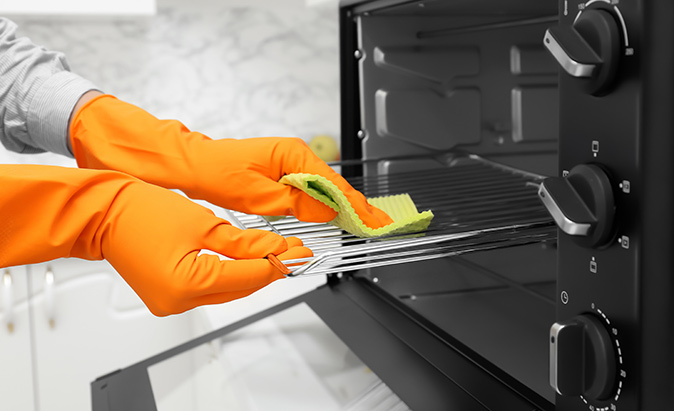
- Door glass: The cleaning cycle doesn’t burn off buildup on the oven window. Wipe the glass regularly with a mild cleaner or a mix of baking soda and water.
- Oven racks: Manufacturers recommend removing oven racks before running a cycle, as high heat can discolor or warp them. Clean the racks by hand with warm, soapy water.
- Gaskets and seals: The rubber-like seal around the door shouldn’t be scrubbed or exposed to harsh cleaners. Wipe it gently with a damp cloth to keep it in good shape, and let it dry thoroughly before closing the oven door.
- Spills and splatters: It’s always easier to wipe up fresh spills after cooking instead of letting them accumulate and then running a self-clean cycle. Less excessive buildup reduces odors and smoke when you do run a cycle.
Pro tip: A self-cleaning oven makes heavy cleaning easier, but light upkeep is still necessary to keep your appliance in good shape.
Protect Your Oven and More
A self-cleaning oven is convenient, but like any appliance, it will eventually break. That’s where a home warranty plan from First American can help. You can feel confident that when a covered appliance like your oven breaks, you’ll have a budget-friendly repair/replacement solution right at your fingertips.
Besides ovens, our plans cover many major appliances and systems you rely on every day, including dishwashers, cooktops, HVAC systems, plumbing, electrical systems, and more. That means less stress and more reassurance that your household will operate smoothly year-round.
See how easy it is to protect your home’s essential systems and appliances. Get a free quote today and learn more about our comprehensive coverage.
The contents of this article are provided for general guidance only. First American Home Warranty does not assume any responsibility for losses or damages as a result of using this information.
Please be aware that if you disassemble a covered system or item, it can invalidate your home warranty or manufacturer's warranty.

Keep Reading





Home Care Buzz Experts
The First American Home Care Buzz team is made up of experienced home warranty writers and editors. Our team provides valuable insights and information to help homeowners like you meet the daily challenges of homeownership.
This article is about...