
A Complete Guide to Electric Ovens
NOVEMBER 20, 2023 | Home Care Buzz Experts | 4 minute read
Bringing home an electric oven has its set of perks and challenges. Whether you're still shopping or already own one, this guide to electric ovens will shed light on everything you need to know about one of your kitchen's most-used appliances.
How an Electric Oven Works
An electric oven heats the oven interior through heating coils or ceramic elements. The oven cycles those elements on and off to keep the temperature steady. The oven uses a thermostat to regulate the temperature and a cooling system to remove excess heat. This allows for precise temperature control, cooking the food to the desired temperature and texture.
Gas vs. Electric Oven: Key Differences
Before we explore some of the best electric oven ranges and stoves, it's crucial to differentiate these appliances from their gas counterparts:
- Fuel Source: Gas ovens use natural gas or propane, while electric stoves rely on electricity.
- Temperature Consistency: Electric ovens distribute heat consistently, making them ideal for baking. In contrast, gas ovens can sometimes produce hot spots, but they can be better for browning and crisping.
- Costs: Gas ovens generally cost more upfront than electric options. However, the operating costs might differ based on regional gas and electricity prices. Overall, electric ovens and stoves are considered more energy efficient.
- Maintenance: Electric ovens are usually easier to clean and maintain than gas ovens.
Electric Oven Pros & Cons
Let's start with the pros.
Pros:
- Temperature Accuracy: Electric ovens typically maintain temperatures more precisely than gas models.
- Even Heating: The lack of open flames means even heat distribution, perfect for baking.
- Safety: No open flames reduce the risk of accidental fires.
- Cleanliness: They generate less soot, making them easier to clean.
- Energy Use: Electric ovens are often more energy-efficient than gas ovens.
And also the cons.
Cons:
- Energy Cost: Depending on regional electricity prices, they can cost more to use than gas ovens.
- Heating Time: Electric ovens take longer to heat up.
- Power Dependency: In case of a power outage, your electric range won't work.
- Some Cooking Methods: Electric ovens are not ideal for specific cooking methods, like broiling, due to the lack of open flames.

What To Look for When Buying Electric Ovens
- Capacity: Ensure the oven can fit your largest cooking needs while fitting nicely into your kitchen space.
- Features: Look for ovens with multiple cooking functions and adjustable temperature settings for versatility.
- Oven Type: Opt for a convection electric oven with quicker cooking times and features like an air-fry mode.
- Service Reach: Find out which local service technicians can help with repairs and whether the appliance has a manufacturer's warranty.
- Connectivity: Choose a Wi-Fi–enabled oven or range for remote monitoring so you can download new cooking features.
Types of Electric Ovens
Whether it's a double electric oven, an electric wall oven, or any other type, understanding the different types of electric ovens can help you make an informed decision.
- Single Electric Oven: Best suited for smaller households. They are budget-friendly and occupy less space.
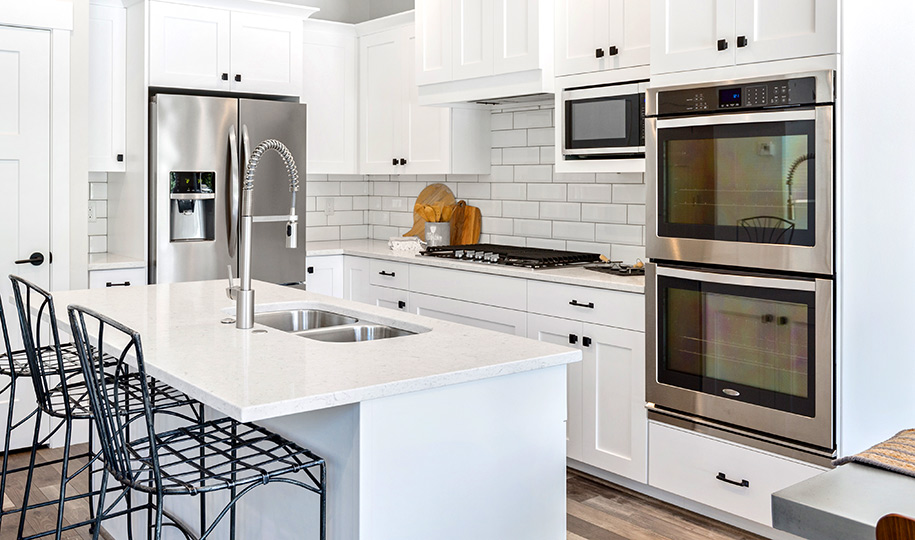
- Double Electric Oven: Has two separate oven chambers to cook two individual dishes at different temperatures simultaneously. Double-oven electric ranges are ideal for those who love baking or often host large gatherings.
- Electric Wall Oven: These ovens are mounted into the wall to save floor space and often come with advanced features.
Maintenance and Troubleshooting
Taking care of your electric oven helps it last longer and work its best. Some quick tips include:
- Use the self-clean feature if your oven has one. If you're unsure how to use the electric oven self-clean function, refer to your user manual.
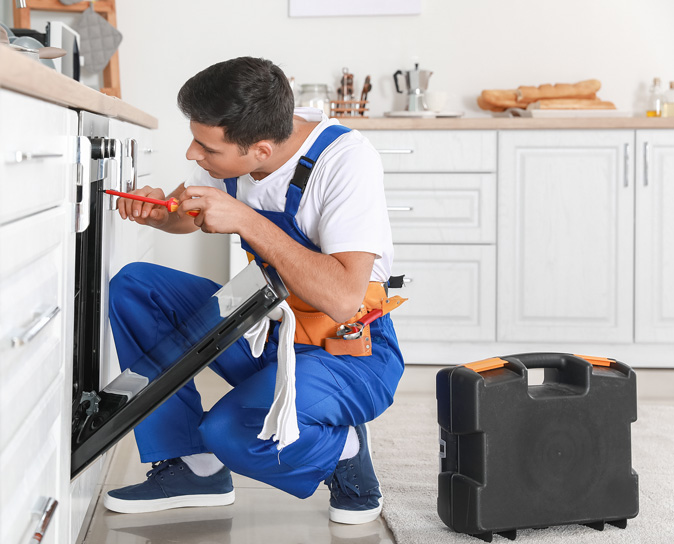
- Regularly check the heating elements. If your electric oven is not working, it might be due to a faulty element.
- Ensure proper connectivity, especially if your oven is Wi-Fi enabled.
- If you face issues with your electronic stove burners and oven not working, it's time to seek professional help or check your warranty coverage.
To continue learning, dive into more troubleshooting tips for electric ovens.
How to Clean Electric Oven Ranges
To clean an electric oven range, remove any racks, then use a mixture of baking soda and water to scrub the interior. Choose a long-handled brush or sponge to clean the crevices and corners. Avoid using harsh chemicals or abrasive cleaners, as they can damage the oven's finish. After cleaning, wipe down the oven with a damp cloth and let it dry before reassembling and using it again.
Protect Your Electric Oven with a Home Warranty
Electric stoves and oven ranges are a mainstay in many kitchens due to their efficiency and consistent performance. When purchasing, consider your needs and budget, and research highly rated options from some of the best electric oven brands.
To help protect your investment, check out our home warranty plans for appliances that include warranty coverage for ovens. Do you want to learn more about home warranties in general? Read about what a home warranty is and how it works.
The contents of this article are provided for general guidance only. First American Home Warranty does not assume any responsibility for losses or damages as a result of using this information.
Please be aware that if you disassemble a covered system or item, it can invalidate your home warranty or manufacturer's warranty.



Keep Reading





Home Care Buzz Experts
The First American Home Care Buzz team is made up of experienced home warranty writers and editors. Our team provides valuable insights and information to help homeowners like you meet the daily challenges of homeownership.
This article is about...