
How Long Does a Home Warranty Last and When Does Coverage Stop?
MARCH 25, 2026 | Home Care Buzz Experts | 6 minute read
Blog Summary
Home warranties last 12 months and auto-renew annually unless canceled.
Coverage stops immediately at expiration — leaving you exposed to the full repair costs.
Renewal notices arrive 60 days before expiration to prevent coverage gaps.
Owning a home comes with many responsibilities, but protecting your home’s budget from unexpected repair costs doesn't have to fall on you alone. First American Home Warranty helps protect your family and your finances against costly breakdowns of covered systems and appliances, and you can request service 24/7.
When you choose First American, you get access to an expansive network of prescreened technicians ready to respond to your claims, regardless of your appliance or system’s age. There’s no limit to the number of service calls you can make; simply pay your service fee, and help will be on the way.
These home warranty benefits protect your budget and bring you the convenience and peace of mind you desire. Let’s dive into what your home warranty covers, how long it lasts, and when it might not work for your specific issues. The table below can get us started with a snapshot of First American Home Warranty's coverage:
What Does a Home Warranty Cover?
APPLIANCES*
- Built-in Microwave
- Clothes washer and dryer
- Dishwasher
- Kitchen refrigerator
- Oven, range, or cooktop
- Instant hot water dispenser
- Trash compactor
SYSTEMS*
- Heating
- Ductwork
- Central air conditioning
- Electrical system
- Garage door openers
- Attic, ceiling, and exhaust fans
- Central vacuum system
PLUMBING*
- Plumbing system
- Plumbing stoppages
- Toilet tanks and bowls
- Garbage disposal
- Water heater
- Circulating pump
- Sump pump
- Pressure regulators
OPTIONS
- Upgrades
- Additional refrigeration
- Pool and/or spa equipment
- Well pump
- Additional options are available in some regions
How Does a Home Warranty Work vs. Homeowners Insurance?
Understanding how a home warranty works and the difference between a home warranty and homeowners insurance is an important part of the process. Let’s go over a few of the key differences.
Home Warranty
A home warranty covers the repair or replacement of major household systems and appliances when they break down from normal wear and tear. It is a renewable 12-month service contract that protects your budget from unexpected repair costs throughout the coverage year. Your coverage can automatically renew each year, ensuring continuous protection without gaps. Home warranties cover breakdowns that inevitably happen as your home systems and appliances age. This includes failures from rust, corrosion, sediment buildup, and lack of maintenance, as well as most issues that develop over time through regular use.
Homeowners Insurance
Homeowners insurance is designed to protect against unexpected and typically rare events like natural disasters, theft, or accidents that may cause damage to the structure of your home and its contents. Insurance provides coverage for the physical structure of the house, personal belongings, and liability protection for events that may occur on the property.
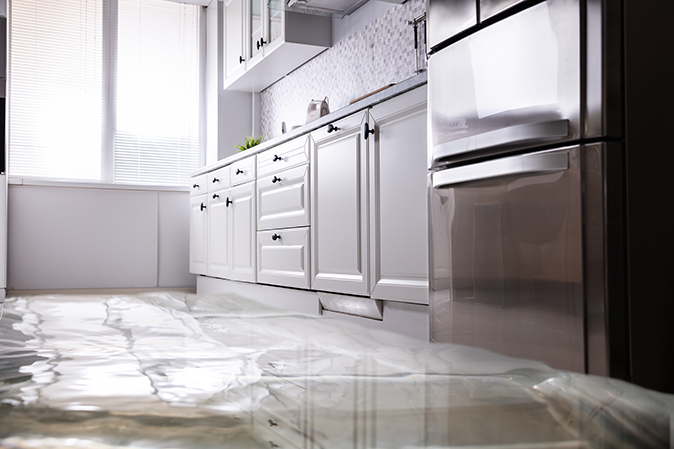
Overall, both coverage types complement each other by addressing different protection needs. For example, if your dishwasher seal fails and floods your kitchen, homeowners insurance covers water damage to your flooring, while your home warranty covers repairing or replacing the dishwasher itself.
Together, they provide comprehensive coverage for your home. Remember it this way: home warranties keep your household systems running, while homeowners insurance safeguards against unforeseen disasters.
How Long Do Home Warranties Last?
So, how long does a home warranty last? The duration of a First American home warranty can vary and may depend on your specific plan. However, it's common for our home warranties to have a one-year term. During your coverage year, the warranty covers the specified home systems and appliances outlined in the plan you chose. Homeowners have the option of a home warranty renewal to extend their coverage annually. If eligible for continuation of coverage, we will notify the contract holder within 60 days before your current contract expires, giving you time to review any coverage or rate changes for the upcoming year. You can update your plan, adjust your coverage, or manage your renewal preferences through your online account.
Related: How long does a home warranty last when you are buying or selling a home?
What's Not Typically Covered?
While your home warranty contract can protect you from sudden repair or replacement costs when your covered items break from normal wear and tear, it does have specific exclusions. Some examples of things that are not covered by a home warranty include:
- Acts of nature (lightning strikes, floods, earthquakes, hurricanes, other acts of nature)
- Cosmetic damage (scratches, dents, discoloration)
- Damage from pests (termites, rodents)
- Items covered by a manufacturer's warranty
- Known or visible pre-existing conditions (issues existing before coverage began)
- Misuse (toys flushed down toilets, standing on oven doors, hanging off refrigerators)
- Damage covered by your homeowners insurance, including secondary water damage
Additional Costs to Consider
Sometimes, there can be additional expenses associated with a covered repair or replacement. For instance, structural modifications and modifications to existing equipment are examples of items that may not be covered. Read your contract for full details.*
Coverage Limitations and Exclusions
First American offers three plan levels with different coverage limits:
- Starter and Essential Plans: $3,500 per appliance coverage cap
- Premium Plan: $7,000 per appliance coverage cap, with additional systems covered
- Homebuyer Plans: $3,500 to $5,000 per appliance (varies by location), with optional upgrade to double limits
What Makes First American Home Warranty Different?
While there are some exclusions or specific items that your home warranty will not cover, First American does not limit the age of a system or appliance that can be covered. We even protect preexisting conditions if, when the coverage begins, the defect is not known or easily observed by looking at or operating the system or appliance. Learn more about what else is not covered by a home warranty.
Common Exclusions by Home System:
- Water heaters: Flues, holding/storage tanks, and vents for water heaters.
- Heating systems: Chimneys, filters, grills, and space heaters for heating systems.
- Electrical Systems: Power surges and timed circuits for electrical systems.
- Kitchen appliances: Dials, knobs, lock assemblies, rotisseries (covered in upgraded plans).
Review your contract for complete details and exclusions.
Why Would Home Warranty Companies Deny a Claim?
First American takes home warranty claims seriously. We approve more than 96% of homeowner claims.* When we do have to deny a claim, it's typically because a homeowner takes matters into their own hands. Always contact us first to ensure you use your coverage when an issue arises.
Some primary reasons we may deny a claim:
- A customer attempted a DIY fix on a covered item.
- A customer had their own contractor fix the issue instead of filing a claim.
- An item was improperly installed.
- A customer was dishonest about their claim.
- There was an accident or misuse of an appliance or system.
- An appliance or system was stolen.
- Mold or hazardous materials were present.

Tips to Avoid Coverage Issues
It's important for homeowners with a First American home warranty and those considering one to carefully review what a home warranty covers and the specific terms and conditions of their plans. Make a point to review coverage details, service fees, and any limitations or exclusions to help you avoid coverage issues down the road.
Keep Your Coverage Active
- Maintain covered items regularly – Follow manufacturer guidelines for routine maintenance
- Request service through First American – Never call a service provider directly; always file claims through your warranty to ensure coverage
- Avoid DIY repairs on covered items – Unauthorized repairs can void coverage for that item.
- Keep payment information current – Ensure auto-renewal processes run smoothly to prevent coverage gaps
You're Protected with First American
If you’re a current First American Home Warranty customer, you can sign into your online account to review your contract for coverage, limitations, and duration. If you do not have a home warranty, get a free quote now.
FAQS on Home Warranty Coverage
Why did my coverage stop working?
Most home warranties last for one year, and coverage will lapse if you don’t renew at the end of your contract. Luckily, homeowners have the option to set up annual home warranty renewal to extend their coverage for as long as they’d like.
How soon can you use a home warranty after purchase?
There are a few different time frames you should know when using your new home warranty after you purchase:
- For current homeowners, there is a 30-day waiting period before you can request service.
- For homebuyers, coverage begins as soon as the sale is complete.
- For home sellers, coverage starts immediately and lasts up to 180 days during the listing period. After the sale, coverage converts to the buyer.
What happens when your home warranty expires?
When your home warranty expires, you immediately lose coverage for system and appliance repairs. If something breaks after expiration, you'll pay full out-of-pocket costs.
Do home warranties auto-renew?
Most home warranties auto-renew unless you cancel. Providers typically send renewal notices 30 to 60 days before expiration.
Do home warranty prices increase when you renew?
Yes, home warranty prices can increase at renewal. You'll receive a renewal notice 30 to 60 days before your plan expires, showing the new price, giving you time to compare rates, adjust your coverage, or switch providers if needed.
*Please read your contract for specific coverage and limitations
**Based on 2025 claims that were fully denied.



Keep Reading




Home Care Buzz Experts
The First American Home Care Buzz team is made up of experienced home warranty writers and editors. Our team provides valuable insights and information to help homeowners like you meet the daily challenges of homeownership.
This article is about...