
Troubleshooting Tips for Circulation Pumps
FEBRUARY 21, 2024 | Home Care Buzz Experts | 5 minute read
Anyone who has stood in front of a faucet for minutes, waiting for the water to turn hot knows how much water and time is wasted waiting on a water heater. It's often not even your water heater's fault. This is a common scenario in large houses with extensive plumbing.
A hot water circulation pump has an electric engine that keeps a small amount of hot water constantly moving through pipes so that it's ready at taps when needed. Boiler/hydronic heating systems also use circulating pumps to heat your home by moving warm water through a series of pipes. These pumps can also work with boilers, furnaces, hydronic in-floor radiant heating systems, and radiators. Many homes already have these pumps installed, and local rebates often make installing new pumps equally attractive.
While there's not a whole lot to the function or design of these devices, you might find a few different types of water heater circulation pumps in your home, each with its own set of precautionary and troubleshooting tips homeowners should know about.
Related: Find troubleshooting for in-floor radiant heating and tips for hot water radiator maintenance.
Types of Circulation Pumps
Based on their appearance online or in stores, it may seem like there are many different types of circulation pumps. However, there are two main types of these devices on the market: older three-speed (also called three-stage) models and newer electric varieties.
You may find a three-speed model already installed in your home, but most people opt for an electric model when installing new units. This is because three-speed hot water circulation pumps run constantly throughout the day and aren't very energy efficient — in fact, these models can no longer be installed in the European Union because of how much energy they use.
Electric circulator pumps can run constantly but can also be retrofitted to run only when you use hot water the most. They are more energy-efficient than three-speed models but typically aren't powerful or efficient enough for larger homes.
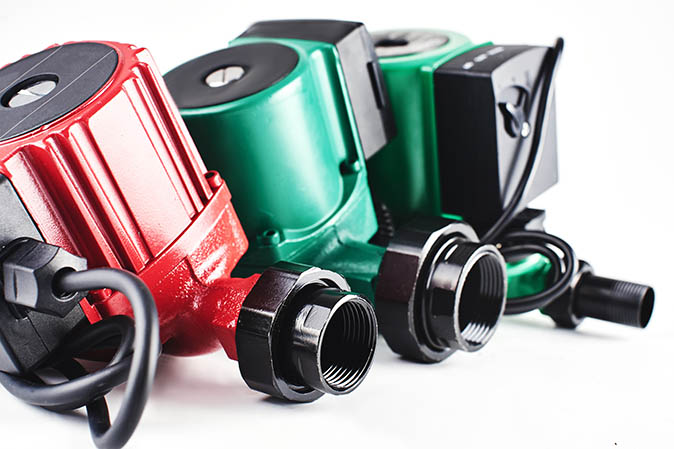
There are also other variations of hot water circulation pumps:
Wet rotor vs. dry rotor: As their names imply, wet rotor circulating pumps have parts that are exposed to water while dry rotor pumps don't. The motors of wet rotor models sit in watertight casings to prevent damage to the working parts. Wet rotor pumps are a better fit for shorter pipes and make less noise when running; dry rotor pumps are better for longer pipes but are a bit noisier.
Self-priming vs. non-self-priming: A self-priming water heater circulation pump automatically removes air from the pipes and introduces water into the pump by mixing the two to create a vacuum. Non-self-priming pumps sit below the waterline and are always filled with water, eliminating the need to remove air.
Circulator Pump Troubleshooting
Like any appliance with moving parts, these pumps can malfunction or break down over time. You may hear your circulator pump making noises you haven't heard before or notice your pump working but water not circulating. These could indicate that your pump isn't working correctly. However, be aware that water heater and boiler circulator pump troubleshooting can only resolve so much. These pumps aren't commonly repaired, so you'll likely have to replace the unit when something breaks.
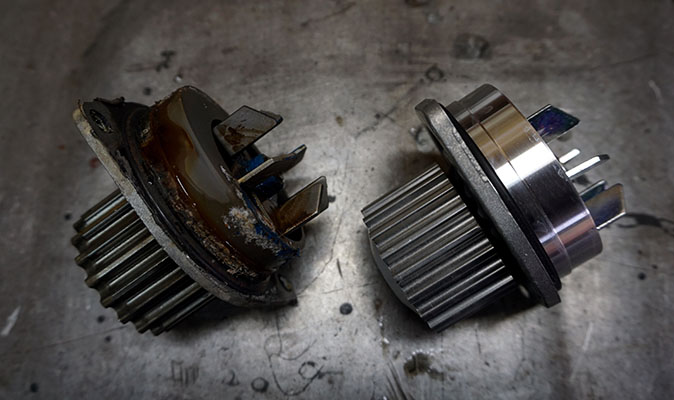
Still, it's good to know when your circulating pump needs to be replaced and when you can correct an issue yourself. Here are some things you may notice about your hot water circulating pump not working:
Hot water circulator pump not turning on: Most plumbing system elements don't need power to operate, but your circulating pump does. Many models connect to an electric outlet with a power cord, so check the cord, outlet, and circuit breaker to ensure power goes to the pump. Additionally, if you have a circulation pump with a timer, a loss of power can reset the timer and prevent the pump from turning on.
If you've checked all these elements and can't find the issue, your pump could have a broken motor. It's often hard to tell if the motor is the source of the issue, but if you have a model that opens easily, you can check it for burn marks or water damage.
Circulator pump making noise: Some hot water circulation pumps make more noise than others when running normally, but rattling or excessive noise typically means something's wrong. Luckily, you can fix most of the causes of this issue yourself.
The most likely cause of a noisy pump is air trapped in the system, which can be fixed by bleeding the pump. There should be a bleeder valve on the pump that you can open with a screwdriver. Once opened, you can hear air escaping through the valve, and water will slowly leak from it when all the air is removed.
Additionally, if your pump uses bearings in the motor, they can become worn and start clacking together. These typically can't be replaced, so you must replace the entire pump.
You may also hear noises when your pump is too large or too small for your system and the motor is either overworked or struggling to pump more water than it can handle. You may need to consult a plumber (or HVAC technician if you have a boiler system) to help determine what size pump you need for your system.
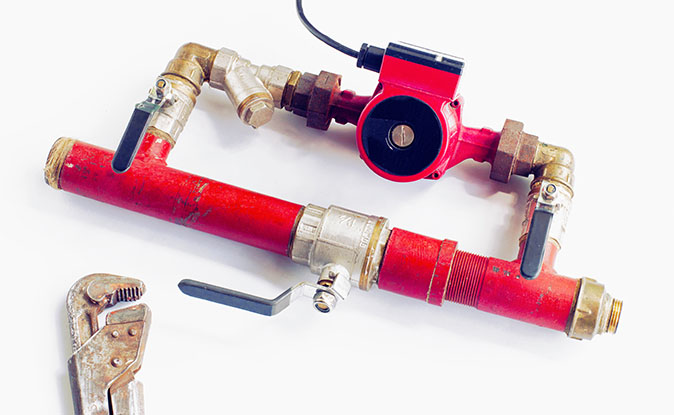
Circulator pump running but no heat: First, ensure your boiler or water heater is working properly — circulating pumps don't create hot water, so there could be an issue with the appliance responsible for heating the water. In hot water pumps used for hot tap water, air or a clog trapped in the pipes could also prevent hot water from reaching fixtures, so you may need to bleed or flush the plumbing system to correct these issues.
Pump working but not circulating: This is another problem that can be caused by blockages in pipes — or even worse, a leak somewhere in your plumbing system. Alternatively, because it's difficult to see the inner workings of a water heater circulation pump, the device could appear to operate normally but have a broken impeller that isn't pushing water out of the pump.
Compared to other appliances and systems in your home, hot water circulation pumps don't have many working parts. While this might make them seem easy to repair, it means that they're typically easier to replace. This is why it can be incredibly helpful to have circulating pump warranty coverage in place when you notice symptoms of a bad recirculating pump. Get a free quote to find out how this and other home warranty plans for plumbing can help save your budget from breakdowns to this vital home system you use every day.
The contents of this article are provided for general guidance only. First American Home Warranty does not assume any responsibility for losses or damages as a result of using this information.
Please be aware that if you disassemble a covered system or item, it can invalidate your home warranty or manufacturer's warranty.

Keep Reading






Home Care Buzz Experts
The First American Home Care Buzz team is made up of experienced home warranty writers and editors. Our team provides valuable insights and information to help homeowners like you meet the daily challenges of homeownership.
This article is about...