Home Radiator Maintenance 101
AUGUST 15, 2023 | Home Care Buzz Experts | 6 minute read
If you live in an older home, radiators may be the primary way you heat your living space. While there are newer heating systems available these days, home radiators can still be a functional and effective solution if they're properly cared for and maintained.
Radiators require regular maintenance to avoid costly repairs or the need to replace your heating system entirely, which can be a significant investment. In this guide, we'll explore the different types of radiators and the home radiator maintenance required to keep them in good working order.
How Do Radiators Work?
Also known as a radiant heating system, a radiator can easily provide your home with comfortable and consistent heat, despite its seemingly simple technology. The radiator, boiler, and the pipes connecting the two are filled with water in what's called a "closed system" because the water cycles between the radiator and boiler instead of draining out of your home as your plumbing system does.
The boiler heats the water to about 180 degrees Fahrenheit, and a pump pushes that heated water to the radiator. The heat from the water transfers into the air around it and is pushed out of the vents, providing heat to the building. The cooled water is then sent back to the boiler to be heated up so the process can begin again.
Types of Radiators
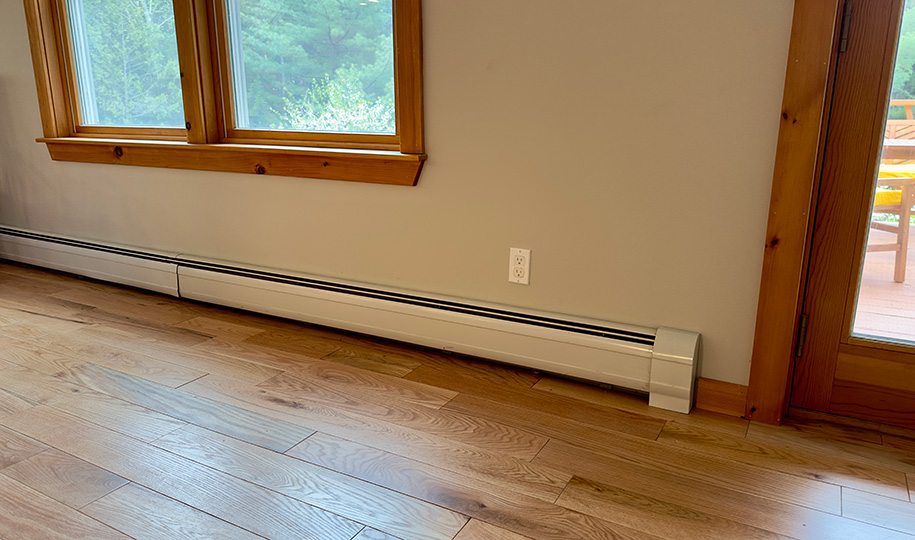
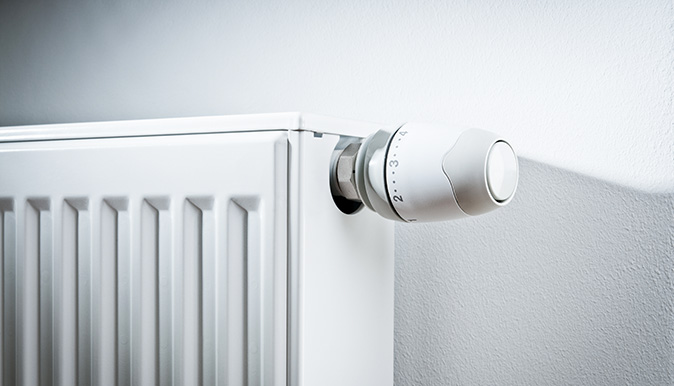
Before you attempt to perform any radiator maintenance, you first need to determine what type of radiator you have. Radiators can be made from several different types of metals, including cast iron or steel. Older heating systems often have cast-iron radiators, which heat up slowly but retain heat longer. Newer radiators are often made of other metals because cast iron is heavy and expensive. Steel radiators are lighter-weight and more affordable, and they heat up and cool down more quickly. You may be more familiar with a baseboard radiator, which is one of the more common steel options in newer homes.
Most home radiators are either hot water or steam radiators. If your radiator has only one pipe, it's a steam radiator; if it has two or more pipes, it could be either steam or hot water. Below we'll explain the differences between these two types of radiators.
Hot Water Radiators
A hot water radiator is connected to a boiler that heats the water. A circulating pump transfers the heated water from the boiler to the radiator and back again. This flow of hot water creates heat, which is used to warm your home. When there is no flow of heated water, there is no heat.
Hot water radiators generally require a pressure of 12 psi (pound-force per square inch) to keep your home warm. This is generally the factory setting of the radiator.
Steam Radiators
A steam radiator has one or two pipes and uses gravity to move condensed steam (condensate) back to the boiler instead of water. Steam radiators keep the pressure much lower than hot water radiators, usually around 2 psi or less.
If you have a steam radiator, you can find a device that controls the pressure on the boiler. This device should always be on its lowest possible setting to heat your home.
Combi Boilers
Some heating systems have what's known as a combi (combination) boiler, which combines central heating and a water heater in one system. A combi boiler tends to be more energy efficient because it only heats water when needed for home heating, laundry, dishwashing, or bathing.
Combi boilers feature a diverter valve that opens and closes to send water either to your home radiators or taps and showers in the house. The diverter valve requires regular inspection to ensure your home has all the hot water it needs.
Radiator Maintenance Tasks
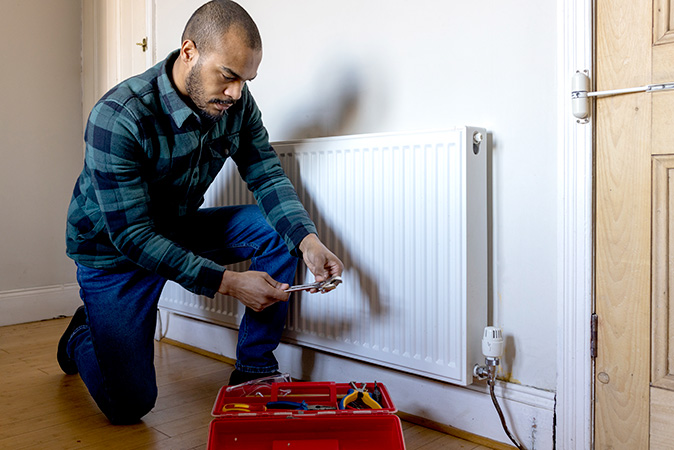
It's important to perform these five maintenance tasks for your radiator regularly:
Examine Radiator Pipes
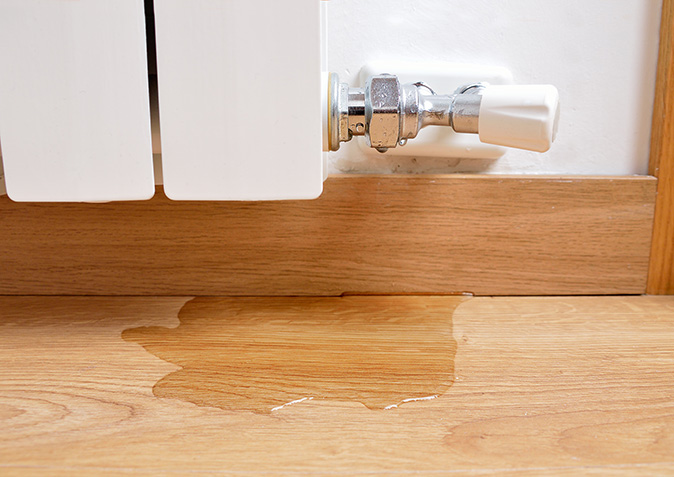
A simple radiator maintenance task that you can perform is to inspect the piping regularly. Look for any potential problems, such as leaks or cracks. Even small leaks can turn into huge problems.
Once you've examined the radiator pipes, look at the pipes around the boiler for the same issues. Just be careful not to touch any hot water pipes to avoid burns. If you notice any damaged or worn-out pipes, you will want to replace them as soon as possible to keep your heating system functioning and providing warmth to your home.
Bleed Hot Water Radiators
If air becomes trapped in a hot water radiator, it will be unable to warm your home efficiently. Fortunately, you can release this trapped air in a process known as "bleeding," which is critical to the performance of your hot water radiator. You should bleed your radiator at least once a year as part of regular maintenance, using the key designed to fit into the water shutoff valve on the radiator.
Once you have this key, you can bleed your hot water radiator by following these steps:
- Insert the key into the water shutoff valve, which you can find on one end of the radiator.
- Turn the key counterclockwise until water begins to drip out.
- Make sure you have an empty container ready to catch the water running out of the radiator.
- When only water comes out of the valve, not air, close the valve by turning the key back to its original position.
If you're wondering how to bleed a steam radiator, you generally don't have to. Steam radiators will bleed automatically if the heating system is in proper working order.
Clean Steam Radiator Vents
Steam radiators have air vents that need to be regularly cleaned for effective radiator maintenance. You can find these vents halfway down one side of the radiator. If the vent becomes blocked, your heating system's efficiency can be compromised, so this part of steam radiator maintenance is important for efficient home heating.
To clean these vents, use a sewing needle or a small piece of wire to remove any debris blocking the air hole carefully. You should also make sure not to paint over the vent or block it with furniture.
Repair Radiator Leaks
Both hot water and steam radiators can end up with leaks, and unfortunately, there is no quick and easy solution for fixing this issue. Home radiator repair for leaks depends on where the leak is located and how severe it is, although leaks are usually easier to fix in steam radiators than in hot water radiators.
In the event of a leak, your best option is to contact a professional to diagnose and repair the issue. If you have a home warranty from First American, you can submit a claim, and we will send a prescreened technician to your home to inspect your radiator.
Check Boiler Pressure
After bleeding a hot water radiator, you should check to make sure the heating system is at the right pressure. Make sure to check the pressure before turning on the boiler again because the system's temperature will impact the pressure.
To check the boiler pressure, open the service panel and look for two gauges: one for temperature and one for pressure. The boiler pressure should be at 12 psi when the water is cold and 18 psi when the water is hot. If the cold-water pressure is below 12 psi, you may need to add more water to the system.
To increase the pressure, find the cold-water pipe and slowly turn the valve that controls it. Watch the pressure gauge as you turn the valve, and when it hits 12 psi, close the valve. Performing these radiator maintenance tasks can help keep your system running well.
Protect Your Radiator with a Home Warranty
Regardless of how diligent you are with radiator maintenance, home radiators will likely need repair or even replacement at some point. A home warranty from First American can help take care of these repairs without breaking the bank. Contact us today to learn more about how a home warranty can protect your budget and your home, or get a free quote.
The contents of this article are provided for general guidance only. First American Home Warranty does not assume any responsibility for losses or damages as a result of using this information.
Please be aware that if you disassemble a covered system or item, it can invalidate your home warranty or manufacturer's warranty.



Keep Reading