
A Guide to the Types of AC Refrigerant for Your Home
OCTOBER 24, 2024 | Home Care Buzz Experts | 4 minute read
You know your home’s air conditioning system does a lot to keep your home comfortable during those sizzling summers. But have you ever wondered how it all works? One component behind the scenes is the refrigerant that’s used in HVAC units. This compound plays a key role in your system's ability to cool your home effectively. In this blog, we'll discuss what refrigerant is and how it operates — plus important new 2025 refrigerant changes. Whether you're a new homeowner or just curious about your HVAC system, this guide will help you learn the basics.
What Are Home AC Refrigerants?
Refrigerants are chemical cooling agents that absorb heat. HVAC systems use refrigerants to help move heat from inside homes to the outside, cooling them down in the process. It changes from a liquid to a gas and back again throughout the heat exchange cycle.
Over the decades, refrigerants have evolved a lot. Early refrigerants were very harmful to the environment, contributing to both ozone depletion and global warming. Over time, they’ve improved, but they still damage our climate.
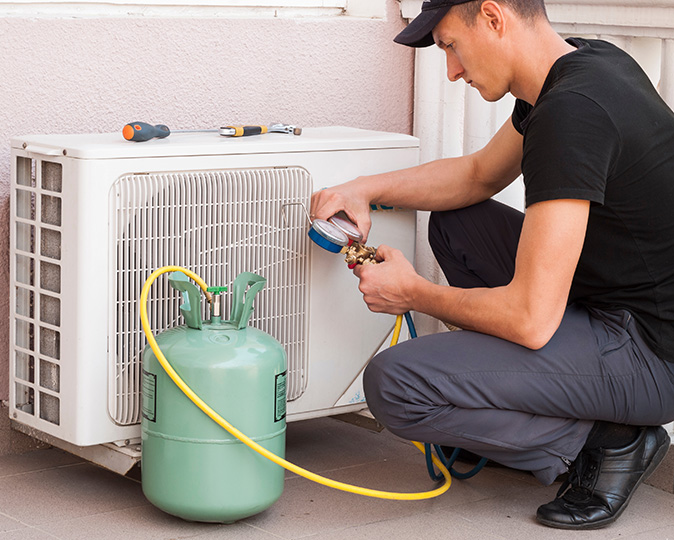
New 2025 Refrigerant Requirements
To help combat this, the Environmental Protection Agency (EPA) is implementing a new home AC refrigerant phasedown to continue reducing greenhouse gases and protecting our planet.
Starting in 2025, all newly manufactured residential HVAC systems must use refrigerants with a global warming potential (GWP) of 700 or less. To put that into perspective, today’s most commonly used AC refrigerant has a GWP of 2,088. But what’s GWP? Simply put, it’s a measure of how much heat a gas can trap in the atmosphere over a certain period. It’s an easy way to determine the effect a gas has on global warming. Basically, the lower the GWP, the more eco-friendly a refrigerant is.
Now, let's take a look at the different home AC refrigerant types and how the new requirements fit in:
R-22
R-22, or Freon, was once the standard refrigerant for home AC systems. However, it has been phased out due to its harmful environmental effects. In 2020, the production and import of R-22 were banned in the United States. If you have an older system that uses R-22, you don’t necessarily need to upgrade if it’s working. However, if your system leaks or a component breaks, you may need to upgrade to a new system that uses newer, more environmentally friendly refrigerants.
R-410A
R-410A, also known as Puron, is currently one of the most common refrigerants in HVAC systems. It’s been widely used in residential and commercial air conditioning systems since the 1990s. However, hydrofluorocarbon (HFC)-based refrigerants like R-410A are not eco-friendly. In fact, R-410A is the refrigerant mentioned earlier that has a GWP of 2,088, which is extremely high.
For this reason, starting in 2025, the EPA is prohibiting manufacturers from making or importing HVAC systems that use R-410A. The new refrigerant requirement also includes an 85% phase-down of R-410A by 2036, meaning that this refrigerant will become more difficult to find.
R-454B and R-32
To accommodate the new refrigerant changes, HVAC manufacturers are turning to lower-GWP refrigerants for home AC systems, such as R-454B and R-32. R-454B has a GWP of 466, and R-32’s GWP is 675, making them safer for the environment.
One thing to note, however, is that these newer refrigerants are mildly flammable. What does this mean? Basically, the refrigerant would need to be exposed to an open flame to ignite, and even if that happens, the flame will burn slowly and likely burn itself out. To address safety issues, the EPA now requires features such as leak detection systems, additional sensors, flame arrestors, and more for these systems.
Related: How long do air conditioners last?
How Can We Help?
Being well-informed can make managing your home much easier, and understanding how refrigerants work is a great example. Pre-season HVAC service checkups are another smart move and come with First American's HVAC tune-up coverage add-on. This popular coverage option provides an HVAC spring tune-up after your system has kept you warm in the winter and a fall HVAC tune-up after keeping you cool during the summer. We'll check thermostats, refrigerant levels, pilot lights, and more. With this coverage add-on, simply request your pre-season HVAC checkup online or via phone, pay your service fee, and then schedule a convenient appointment with your assigned service provider.
Regular tune-ups improve efficiency and can help prevent unexpected breakdowns. Read more about our air conditioning system home warranty and get a free quote to start protecting your home today.
FAQs About Refrigerant
How do I add refrigerant to my home AC?
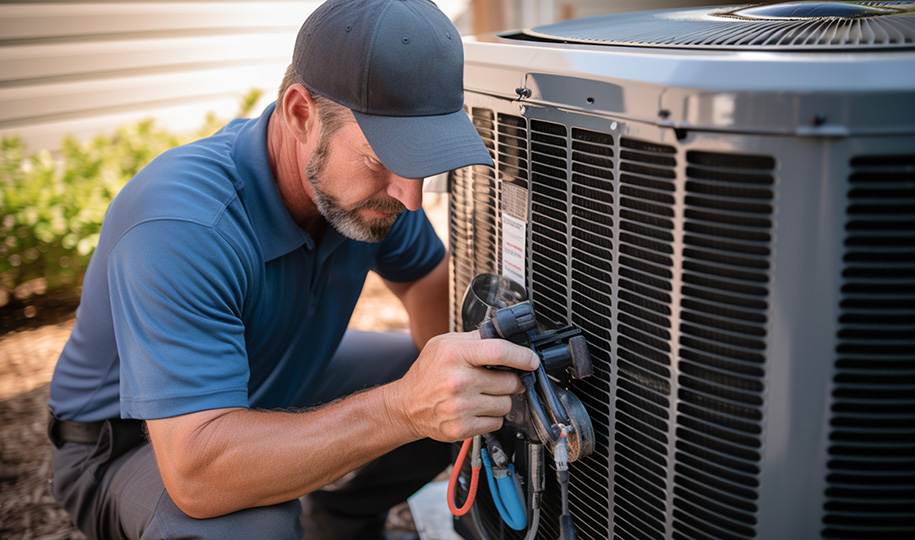
Adding refrigerant to your home AC system is a complex task that can legally only be done by a certified HVAC professional. Incorrect handling can lead to system damage and safety hazards.
What type of refrigerant is used in home AC units?
The most common home AC refrigerant types are R-22 (mostly used in older systems) and R-410A. In 2010, the EPA banned R-22 in newly manufactured HVAC systems, and in 2025, R-410A is being banned. New lower-GWP refrigerants such as R-454B and R-32 must be used in newly manufactured HVAC systems starting January 1, 2025.
What type of refrigerant does my home AC use?
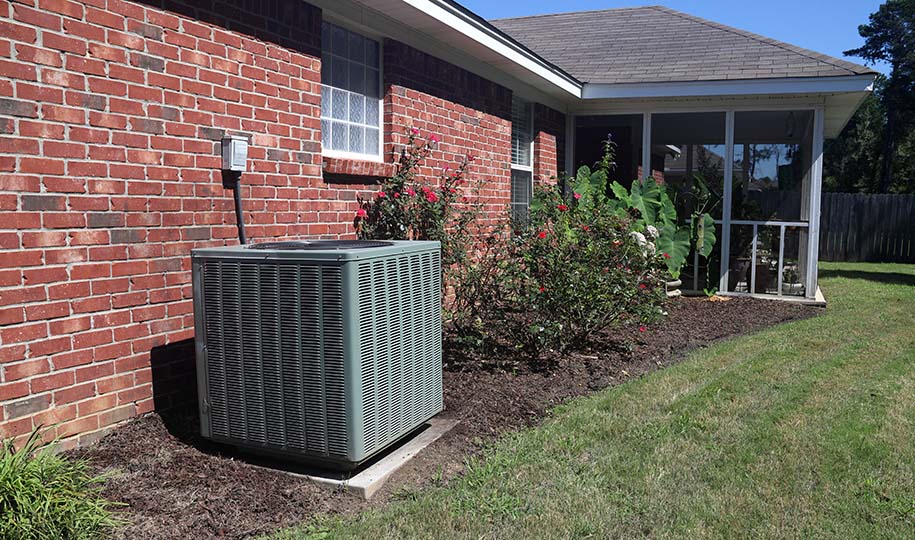
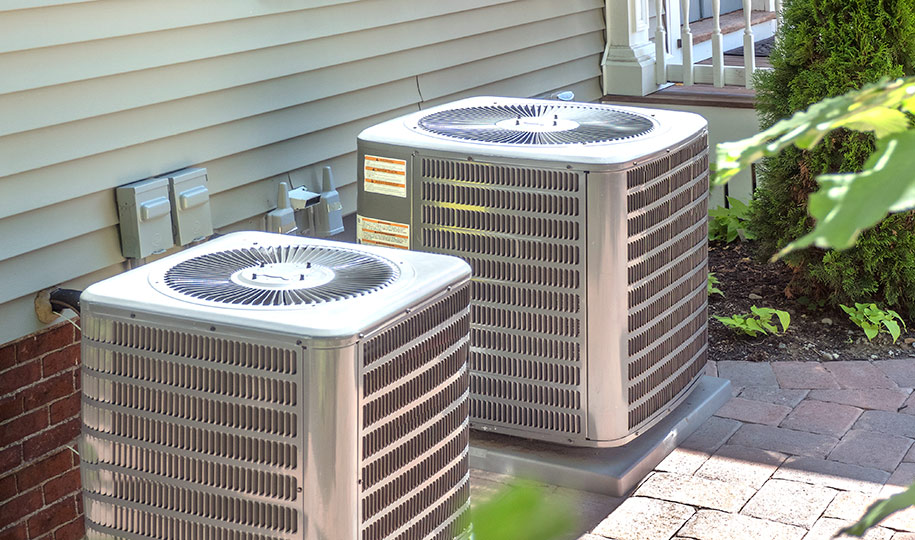
To determine the type of refrigerant your home AC system uses, check the label on the outdoor condenser unit or refer to your owner's manual. If you're unsure, consult with an HVAC professional.
Where can I buy refrigerant for my home AC?
Refrigerant is not sold to the public due to regulatory restrictions. Only certified HVAC professionals can purchase refrigerant and have the necessary tools and expertise to handle it safely.
The contents of this article are provided for general guidance only. First American Home Warranty does not assume any responsibility for losses or damages as a result of using this information.
Please be aware that if you disassemble a covered system or item, it can invalidate your home warranty or manufacturer's warranty.


Keep Reading



Home Care Buzz Experts
The First American Home Care Buzz team is made up of experienced home warranty writers and editors. Our team provides valuable insights and information to help homeowners like you meet the daily challenges of homeownership.
This article is about...