
The Importance of Routine HVAC Inspections
NOVEMBER 16, 2023 | Home Care Buzz Experts | 4 minute read
It's a hot summer day, and you've just finished mowing the lawn. It's time to step inside your cool home and enjoy a relaxing afternoon. There's just one problem — the air conditioner isn't working. What if we told you this could have been prevented by competing simple routine HVAC inspections? In this guide, we'll cover the essentials of regular HVAC inspections and the various types that can help keep your system running at its best.
Before we get started, check out our handy HVAC glossary to familiarize yourself with the terms used in this article.
Importance of HVAC Inspections
Just like regular healthcare checkups, routine cooling and heating inspections help identify potential problems before they begin. This can save you time and money in the long run with just a bit of effort by providing:
- Better energy efficiency
- Early detection of problems
- Extended HVAC lifespan
- Higher indoor air quality
Types of HVAC Inspections
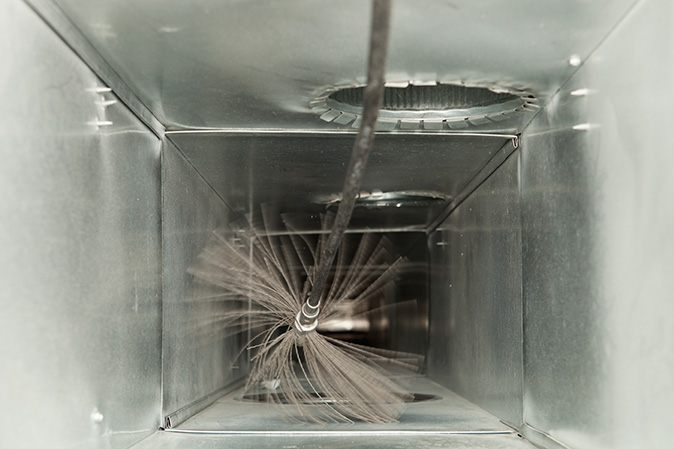
Let's cover the different types of HVAC system inspections you can perform to keep your unit in peak condition.
Routine Heating and Air Inspections
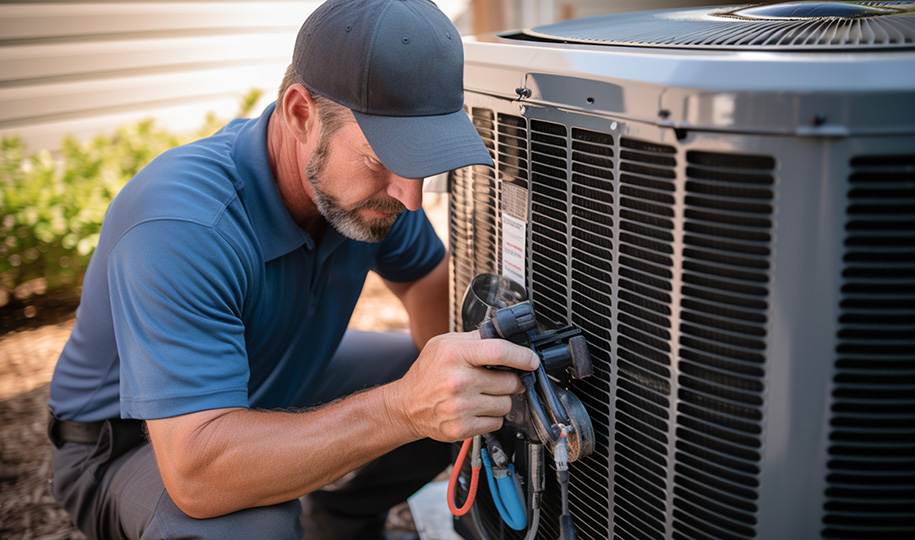
Schedule routine HVAC diagnostic inspections at regular intervals to ensure consistent performance of your unit. During these inspections, technicians will check key components on their HVAC inspection checklist, including:
- Heating and cooling units: A technician will inspect for signs of wear and tear, clean certain components, and check for any irregularities.
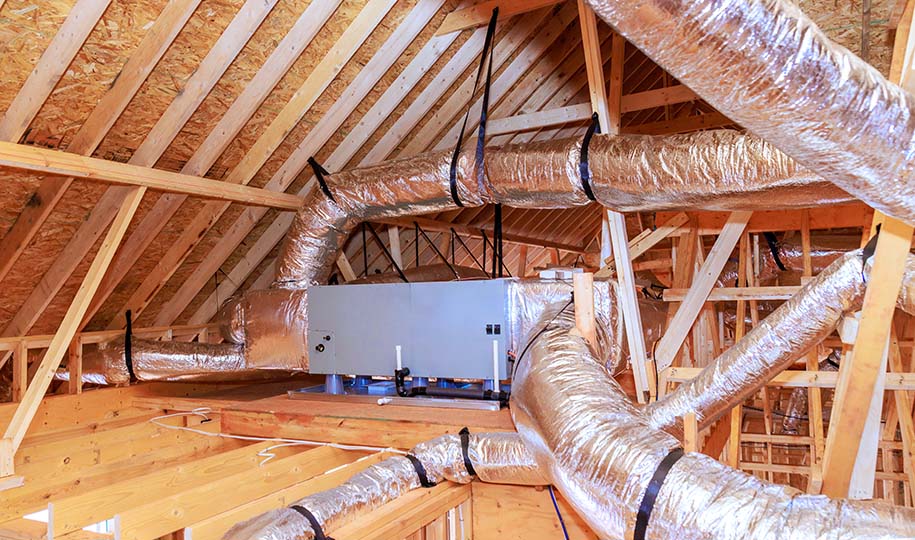
- Air ducts and ventilation: They'll ensure that airflow is unobstructed, which helps prevent energy waste and regular temperature control.
- Thermostat and controls: Your technician should verify accurate temperature readings and the proper function of controls to ensure your system is working according to your thermostat.
- Electrical and wiring: This step involves checking for loose connections and potential safety hazards.
- Filters and air quality devices: The technician will replace filters to maintain good indoor air quality and peak airflow.
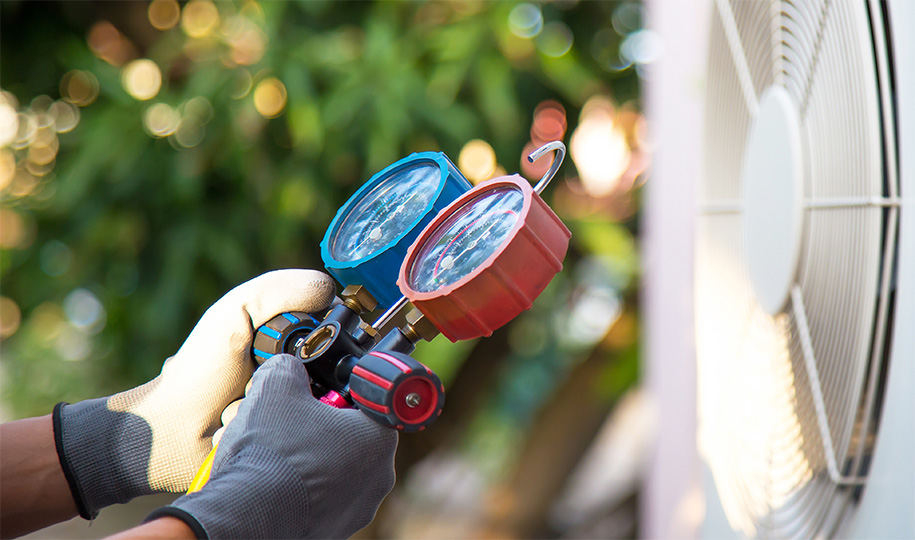
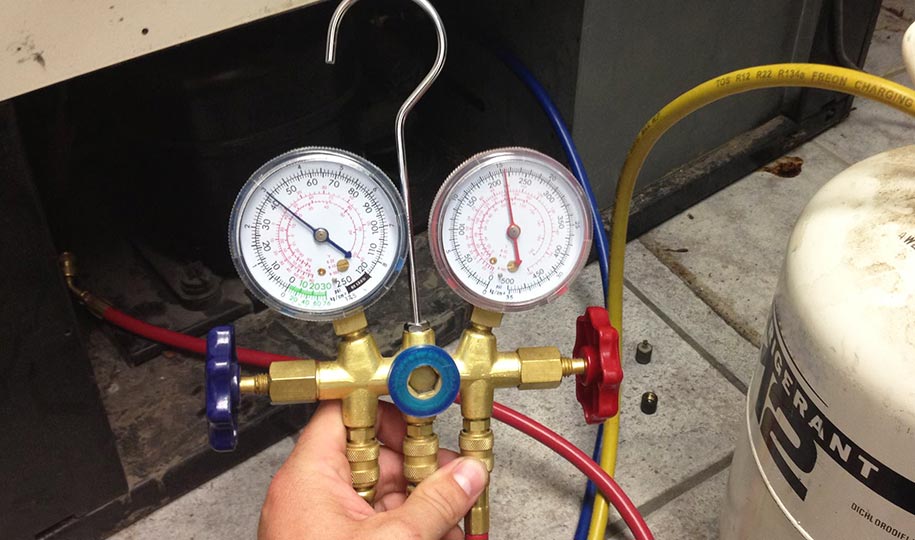
- Condensate drains and refrigerant levels: They'll ensure proper drainage and refrigerant levels for cooling efficiency, checking for leaks and replacing if necessary.
DIY Maintenance
Between professional heating and air conditioning inspections and regular HVAC maintenance, there are a few things you can do to keep your HVAC system working its best.
Regularly Replace Your Filter
All the air your HVAC system processes goes through your air filter, and it can quickly become clogged with dirt, dust, and pet hair. You should change the HVAC filter at least every three months but more frequently for households with pets or allergy-sensitive individuals.
Perform Thermostat Tests

Regularly complete HVAC testing of your thermostat by raising or lowering the temperature and watching to ensure the proper unit kicks on to regulate the temperature. Setting one temperature and assuming the HVAC system turns when it is reached can leave you unaware of a thermostat malfunction.
Is your heat not working? Here are tips on how to troubleshoot your central heating system.
Keep the Unit Clean
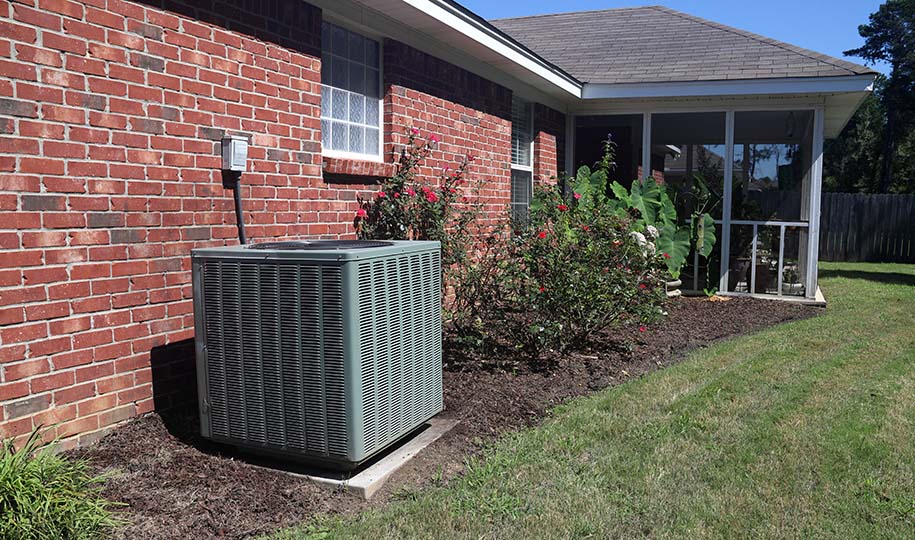
Use a hose to clean the outside AC unit to remove any debris blocking airflow. Use caution, as the fins outside the large unit can be fragile. These fins need to be straight to maintain proper airflow.
Keep the Unit Level
The foundation of your outdoor HVAC unit can shift over time, causing your compressor to fail before it should. If your unit is no longer level, you can use treated lumber or shims of another material to prop up whichever side has become lower.
Check for Leaks and Ice
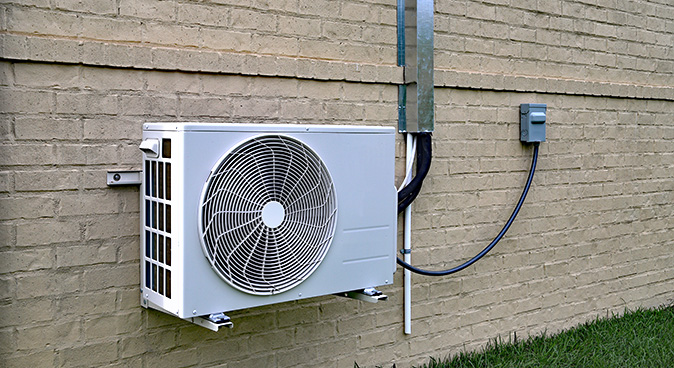
Check the condensate pan under your unit for excessive water, and look for ice buildup on any visible coils and pipes. These may indicate a coolant leak or issue with your evaporator coil that needs to be addressed by a professional. A professional can also identify these problems during an HVAC inspection.
Clean the Surrounding Area
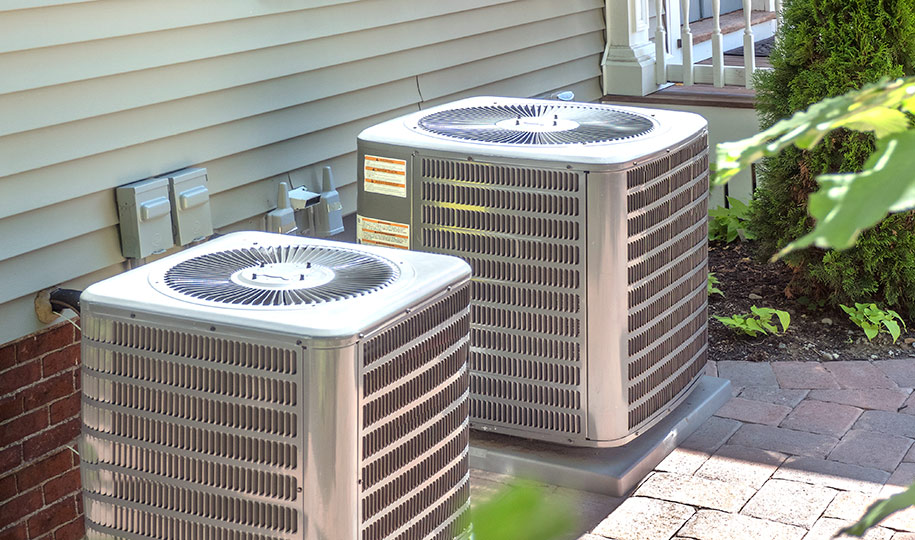
Make sure to clear any trees, shrubs, or other growth from the area surrounding your outdoor HVAC unit. You can place a piece of hard material like plastic or treated wood on top of the unit to protect it from falling branches, nuts, or other debris, but make sure not to cover it completely.
Inspect Ductwork
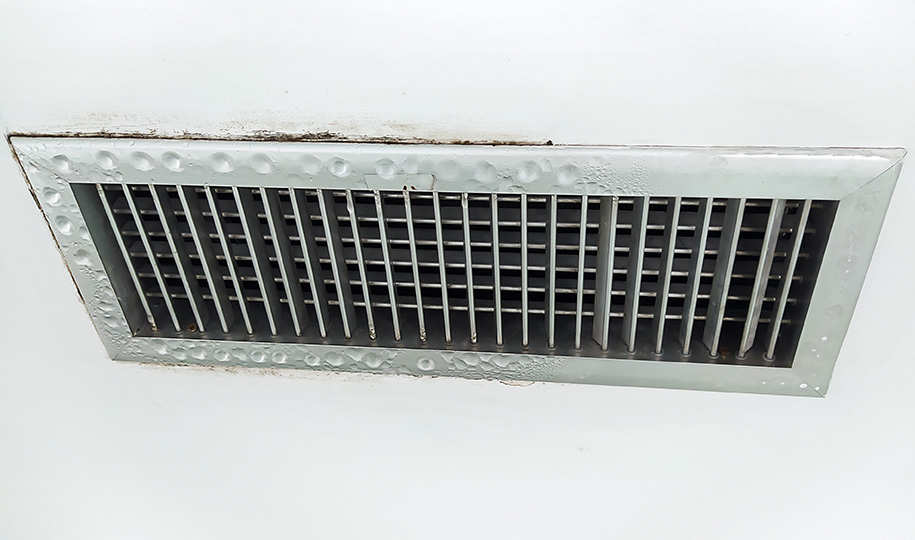
Check your air vents regularly with a flashlight to look for any debris or droppings that could indicate a rodent infestation, mold, or other problems that could affect the air quality in your home. Learn about how First American's warranty for ductwork can handle more serious issues, like mechanical failures in your ductwork.
Protect Your Home with HVAC Warranty Coverage
First American's HVAC isn't just for breakdowns — we also offer optional HVAC tune-up coverage. This option includes two HVAC tune-ups per year (one in the fall and one in the spring) to keep your unit working efficiently and your home comfortable and safe.
If you have home warranty coverage for your HVAC system. when it breaks, contact us or go online to request service. We'll assign a technician who will schedule an appointment and identify the issue.
Ready to protect your HVAC system? Get a free home warranty quote today.
FAQs about HVAC Inspections
Here are some questions and answers.
What's the average cost of an HVAC inspection?
The average cost of an HVAC inspection is between $250 to $400, depending on where you live and the complexity of your system.
What's included in an HVAC tune-up?
You can read more about what to expect from an HVAC tune-up on our blog.
The contents of this article are provided for general guidance only. First American Home Warranty does not assume any responsibility for losses or damages as a result of using this information.
Please be aware that if you disassemble a covered system or item, it can invalidate your home warranty or manufacturer's warranty.



Keep Reading



Home Care Buzz Experts
The First American Home Care Buzz team is made up of experienced home warranty writers and editors. Our team provides valuable insights and information to help homeowners like you meet the daily challenges of homeownership.
This article is about...