
What Causes Condensation on AC Vents?
OCTOBER 06, 2026 | Home Care Buzz Experts | 6 minute read
Blog Summary
Condensation on AC vents forms when warm air meets a cold vent surface, with common causes including a dirty air filter, poor duct insulation, and high humidity.
Most causes can be fixed with simple DIY steps; persistent condensation often points to an HVAC issue that needs professional attention.
If “sweating vents” are caused by a covered HVAC issue, a First American home warranty plan could help.
If you see water forming on or around your vents, you're likely dealing with condensation on AC vents. While it might not seem like a big deal, vent condensation can indicate a problem with your HVAC system. If it keeps happening, condensation can lead to mold, water damage, and higher energy bills due to reduced AC system efficiency.
Let’s look at what causes AC vent condensation, the simple fixes you can try yourself, and signs it’s time to call a professional.
What Causes Condensation on AC Vents?
AC vent condensation forms when warm, humid air meets a cold surface. As cool air from your air conditioning system flows through the vents, the vents themselves can become cold enough for moisture in the surrounding warm air to collect on their surfaces. Several factors can contribute to excessive condensation on AC vents including:
Your Air Filter is Dirty
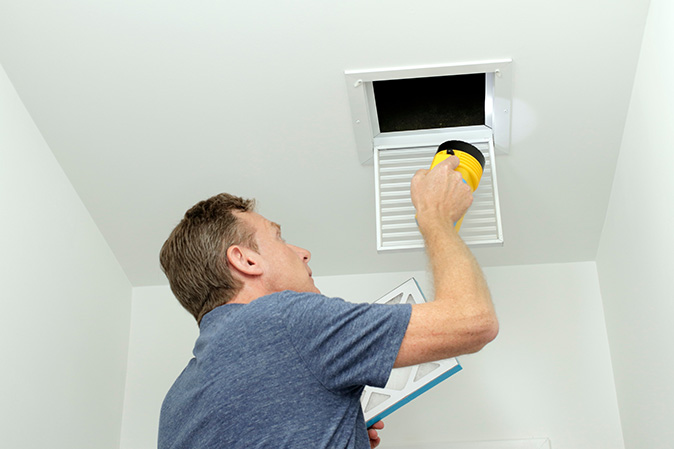
A clogged or dirty air filter blocks airflow through your HVAC system, forcing your AC to work harder and cool the vents down more than normal. When warm air touches those extra-cold vents, it can create moisture. Most filters should be changed every one to three months.
Your Ducts Aren’t Well-Insulated
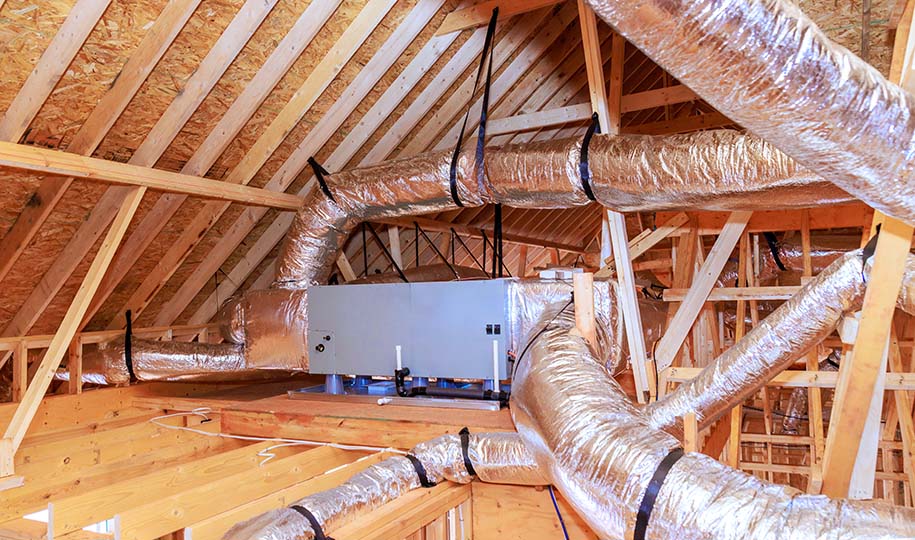
If the air ducts in your home don’t have enough insulation, warm air from nearby unconditioned spaces (like the attic or crawl space) can mix with cooler air inside the ducts. That temperature difference can cause the vents to sweat.
There’s Too Much Humidity in the Air
Moist indoor air makes condensation more likely. This is common in bathrooms, kitchens, and laundry rooms – or during humid summer weather. If the air feels damp or sticky, it may be why your vents are sweating.
Air Isn’t Moving Well Through the System
If your vents are blocked or closed, or if there’s a fan problem, the air can’t circulate the way it should. Cool air stays in one place too long, which can cause water to form on your vents. If you’re not sure what part of your HVAC system does what, our heating and air conditioning glossary can help.
The Evaporator Coil Might Be Frozen
If the evaporator coil inside your AC system freezes, the air moving through the ducts gets extra cold. That cold air can cause heavy condensation when it hits the vents. A frozen coil is often caused by low airflow or refrigerant issues.
Is Condensation on Air Vents a Problem?
A little occasional moisture isn’t always a sign of trouble. But if it keeps happening or you notice water damage, it’s time to take it seriously.
Here’s what ongoing condensation can lead to:
- Mold or mildew, which can affect air quality and health
- Rust on vents and HVAC parts
- Damage to nearby drywall or insulation
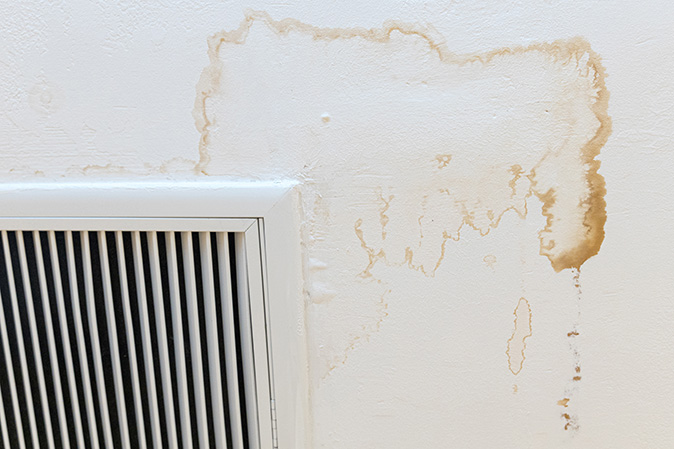
- Water stains on ceilings or walls
- Higher energy bills when your system is not working efficiently
How to Fix and Prevent Condensation on AC Vents
You can often stop issues related to condensation from AC vents with a few easy steps. However, if you try these and still see water, it may be time to call a pro.
Clean the Vents and Change the Filter
Wipe off the vent covers with a damp cloth and replace the air filter if it’s clogged or dirty. Most filters should be changed every three months to keep the air flowing well.
Use a Dehumidifier
If your home feels damp or sticky, using a dehumidifier can help. These work well in basements, bathrooms, and laundry areas. Try to keep the humidity inside your house below 60%.
Add Insulation to Your Ducts
Ductwork that runs through warm areas, like attics or crawl spaces, should be insulated. This helps keep outside heat from making the inside of your ducts too warm and causing condensation on the cool metal surfaces.
Related: How to insulate Your Attic
Don’t Set the Thermostat Too Low
Setting the thermostat too low can make your vents colder than they need to be, which increases the chances of condensation forming. Try to keep your home at a steady, comfortable temperature.
Make Sure Vents Are Open and Clear
Blocked or closed vents keep the air from moving. That leaves cool air sitting in the ducts, which causes more moisture. Walk around your home and make sure nothing is blocking or covering your AC’s air vents. Regular spring AC maintenance and an annual tune-up can catch airflow issues before they cause problems.
When to Call an HVAC Professional
If you’ve tried the DIY steps above and condensation continues, or if you notice any of these warning signs, it’s time to bring in a professional HVAC technician:
- Visible mold or musty odor near vents: Mold means condensation has been happening for a while and needs professional remediation, not just prevention.
- Brown water stains on your ceiling or walls: Persistent stains indicate a bigger moisture problem, possibly a leak inside the system, not just external condensation.
- Condensation happening in cool weather: Vent sweating outside of hot, humid conditions usually indicates a mechanical issue like a frozen coil or refrigerant problem.
- Water dripping or pooling below your indoor unit: This is likely an AC leak rather than condensation. It’s often caused by a clogged drain line or cracked drain pan, and needs professional attention right away.
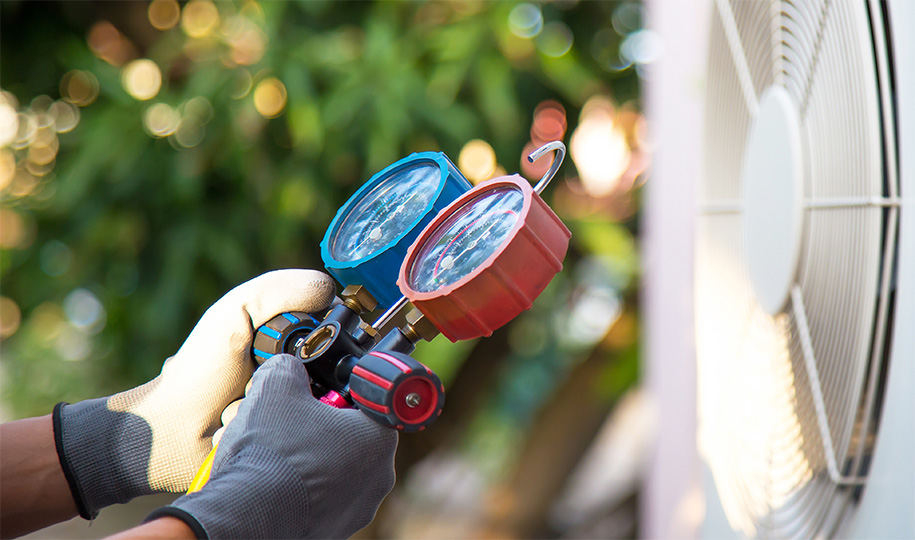
An HVAC professional can diagnose the exact cause of the condensation, check refrigerant levels, inspect the evaporator coil and drain line, and repair any mechanical issues before they lead to bigger and more expensive damage.
A Home Warranty Can Help with AC Problems
If your AC vents keep sweating, it’s often a sign that your HVAC system needs attention. A home warranty from First American can help take care of covered repairs and replacements when home systems like your AC break down from everyday use. Your coverage can also cover home appliances including dishwashers, washers and dryers, ovens, ranges, cooktops, plus plumbing and electrical systems, and more. When they unexpectedly break, your home warranty offers a convenient repair/replacement solution to get your household back up and running.
Get a free quote today to see how a home warranty can help keep your home cool, comfortable, and your systems and appliances protected.
Explore our HVAC coverage to see what’s included.
FAQs About Condensation on AC Vents
How do I stop condensation on my AC vents?
Start with the simple fixes: replace a dirty air filter, keep vents open and unblocked, and avoid setting the thermostat too low. If condensation continues, check whether your ducts are properly insulated in warm areas like attics and crawl spaces, and consider running a dehumidifier if indoor humidity is above 60%.
Can condensation on AC vents cause mold or water damage?
Yes. Occasional light moisture usually isn’t a concern, but ongoing condensation can lead to mold or mildew growth, rust on vents and HVAC components, damage to drywall or insulation, and water stains on ceilings or walls. If you notice a musty smell, visible mold, or brown stains near your vents, address the underlying cause quickly to prevent more expensive damage.
Does a home warranty cover AC problems that cause condensation?
A home warranty typically covers the underlying HVAC failures that cause vent condensation, like a frozen evaporator coil, a failed blower motor, or refrigerant issues, when they result from normal wear and use. Coverage details vary by plan; always review your home warranty contract so you understand what’s covered and what’s excluded.
What’s the difference between AC condensation and an AC leak?
Condensation on AC vents is moisture that forms on the outside of the vent cover when warm, humid air meets a cold surface. An AC leak is water escaping from inside the system, usually from a clogged condensate drain line, a cracked drain pan, or a frozen coil that’s melting.
When should I call an HVAC professional about condensation on my vents?
Call an HVAC professional if condensation continues after you’ve replaced the filter, cleared the vents, and checked for high indoor humidity. Other warning signs include visible mold, brown water stains on your ceilings or walls, a frozen evaporator coil, condensation forming in cool weather, or a musty smell coming from vents.
The contents of this article are provided for general guidance only. First American Home Warranty does not assume any responsibility for losses or damages as a result of using this information.
Please be aware that if you disassemble a covered system or appliance, it can invalidate your home warranty or manufacturer's warranty.

Keep Reading



Home Care Buzz Experts
The First American Home Care Buzz team is made up of experienced home warranty writers and editors. Our team provides valuable insights and information to help homeowners like you meet the daily challenges of homeownership.
This article is about...