
Tucked away out of sight, your HVAC system probably goes unnoticed until it breaks down. However, these systems can cost a lot to fix when they break down, and helping them last as long as possible should be on every homeowner's list of things to do.
To help your HVAC last as long as it can, learn more about HVAC function, maintenance, and common issues. You'll learn answers to some important questions, like "How long does an HVAC system last?", "How long should an HVAC system last?", and "How long does a heat pump last?"
Learning about the parts of your HVAC system that wear down more quickly and knowing if yours are deteriorating can help you figure out your HVAC's life expectancy so you can financially prepare for its eventual replacement. If you don't have HVAC warranty coverage, anticipating your system's retirement can prevent your budget from being obliterated by its replacement. It will also help your family avoid going without the heating and cooling, and that makes your home a more pleasant (and in some cases, safer) place to live.
Average Life Span of an HVAC System
Most technicians and repair professionals agree that the average life of an HVAC system is 15 to 25 years. While most homeowners may only need to replace their HVAC system once or twice in their lifetime, there are environmental and lifestyle factors that may prevent it from lasting as long as it could. And when you consider that these systems typically have more than one component — like a furnace, air conditioner, heat pump, and ducts — the answer to "How long do HVAC systems last?" can vary even more.
To help give you a better picture, let's look at the life spans of some of the most common HVAC system components. And if you need a little help taking in all this information, take a look at our heating and air conditioning glossary.
Furnace: Furnaces typically last 15 to 30 years. The hardest working parts of furnaces are typically the blower, gas and electric ignitors and limit switches. This means they need to be repaired or replaced more often.
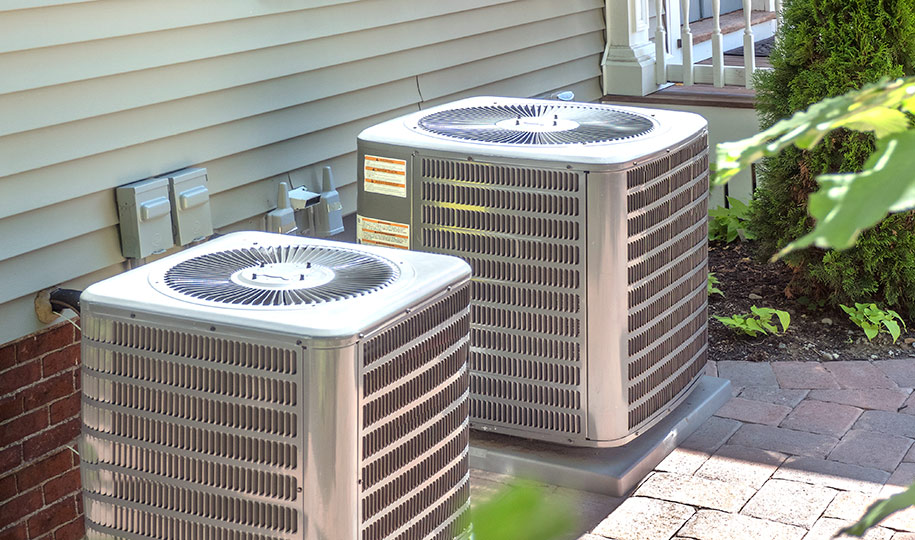
Air Conditioner: The average life of an air conditioner is 15 to 20 years. Fan motors, capacitors, and evaporator coils usually wear down quickly in AC units. Of course, if you live in a hotter climate you may need to plan for AC replacement more frequently.
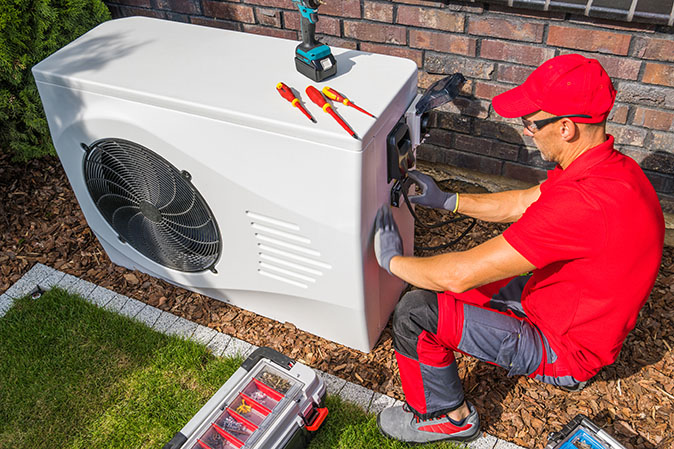
Heat Pump: Heat pump life expectancy is roughly 10 to 15 years. One of the most common issues with heat pumps is refrigerant leaks, which a professional needs to handle. The thermostat can also need replacing more often than other parts, and dirty air filters can cause problems throughout the unit.
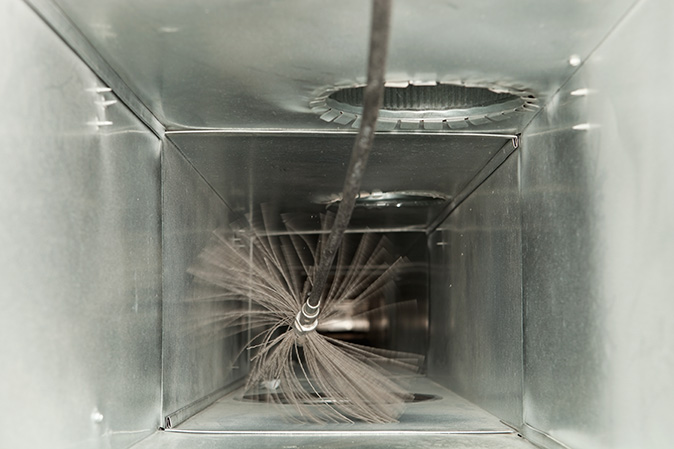
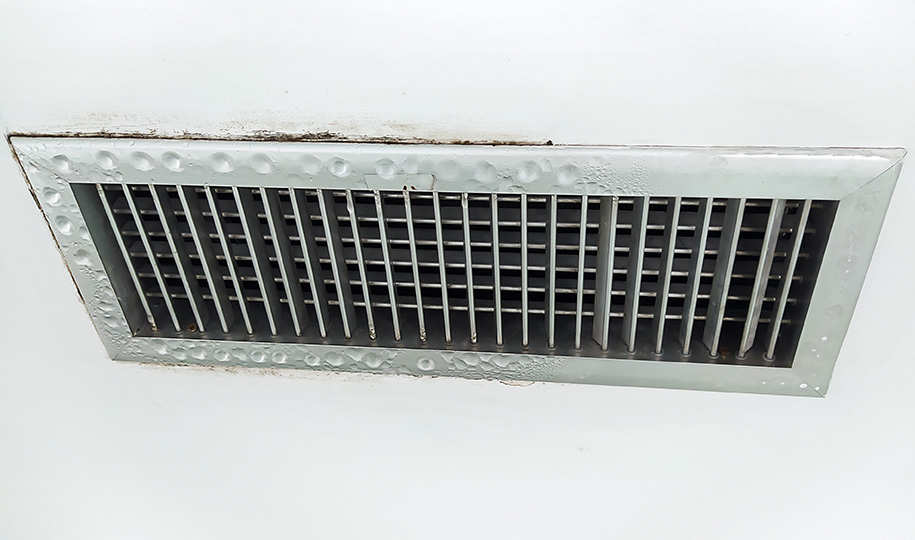
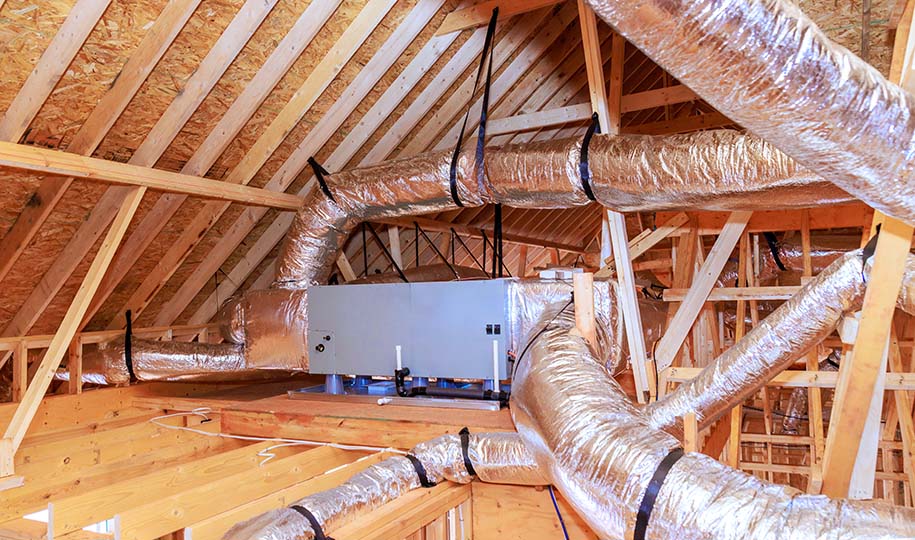
Ducts: While ducts aren't likely to suddenly give out on you, keeping them well-maintained can extend an HVAC's life expectancy. The main problem with ducts is that they can become dirty, blocked, or leak. This can cause your heating and cooling system to work harder to wear down more quickly.
Thermostat: Some homeowners may not think of their thermostat as part of their HVAC system, but as the main control mechanism, it's a vital component. Thermostats may seem like they last a long time, but parts that perform complicated functions can wear down quickly and are often more troublesome to repair than to replace. Whether they're analog, digital, or smart, thermostats typically need to be replaced every 10 years—much shorter than the average life of an HVAC system.
What Lowers HVAC Life Expectancy?
There are more factors than just frequent usage that can shorten the lifespan of an HVAC system. Some things cause your system to work harder than it needs, while others directly affect the working parts of its units. These include:
- Air leaks around your house
- Not enough insulation
- Dirty air filters
- Dirty, obstructed, or improperly sealed ducts
- Ignoring regular maintenance checks
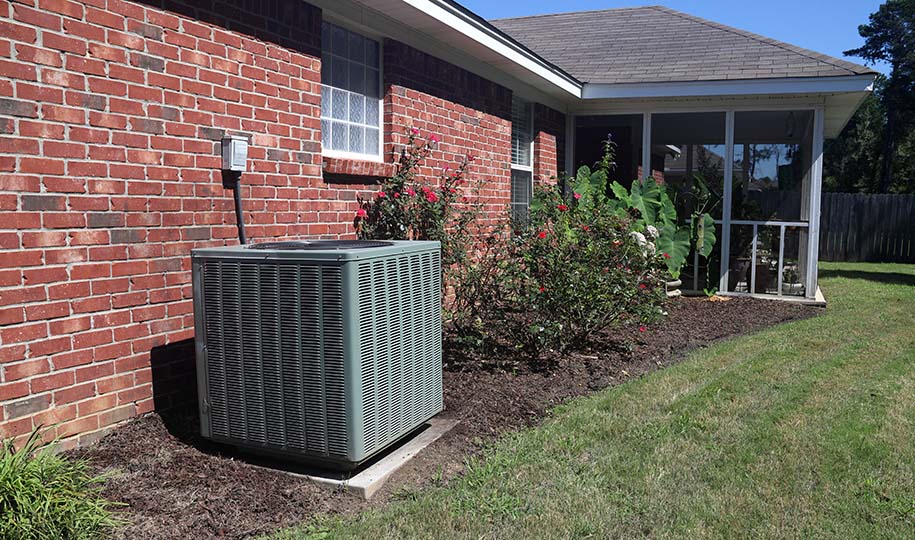
- Plant overgrowth around your outdoor AC unit
Here are things you can do to prevent your HVAC system from running more than necessary:
- Seal cracks around your home
- Check for and repair leaks in your ductwork
- Ensure your house is properly insulated
- Regularly replace your HVAC filter
These tips can give your HVAC system a longer life and keep your utility bill down.
HVAC Maintenance & Tune-Ups
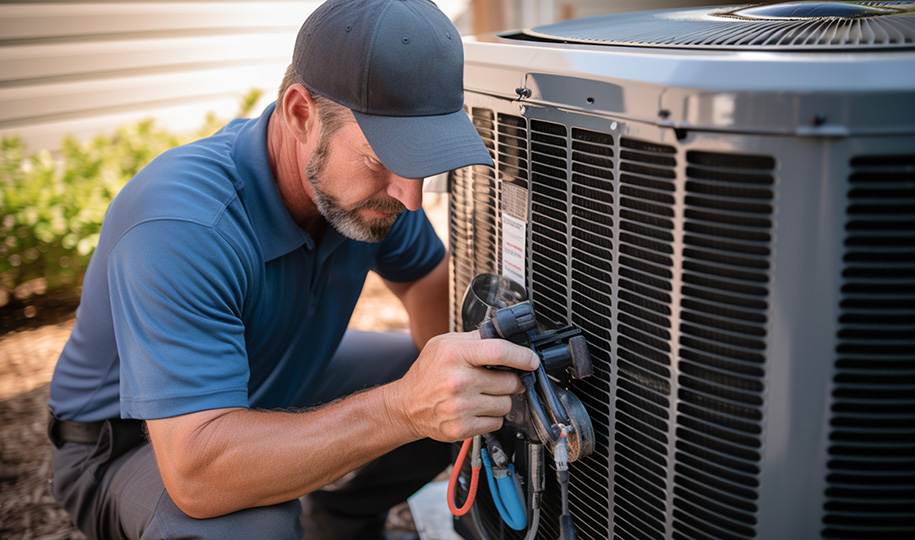
Sometimes, the answer to, "How long do HVAC units last?", is up to you and qualified technicians. Make sure you bring in a professional to perform an HVAC tune-up twice a year, in the spring and fall. This will give you the peace of mind that your HVAC is running efficiently and there aren't any issues that will impact its operation when you need it in summer and winter. Technicians can also find small problems that could turn into big concerns and impact the overall HVAC life expectancy.
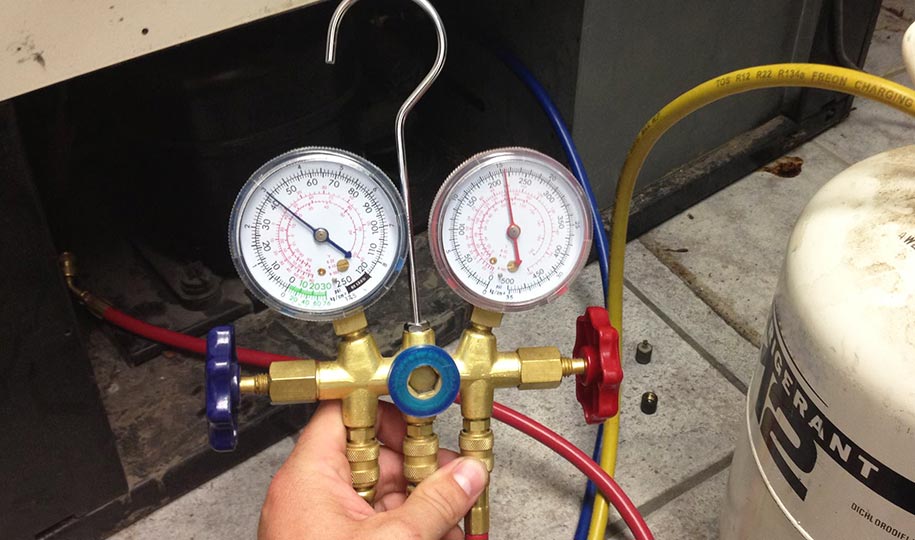
While there are some maintenance tasks you can perform yourself, like changing air filters and making sure the area around your HVAC units is clean and tidy, most maintenance tasks will need to be performed by a professional with repair certification and a trained eye. Issues with refrigerant leaks and refills require state or local certification to address and shouldn't be handled by homeowners.
How a Home Warranty Can Help
With HVAC home warranty coverage from First American, "How long should an HVAC system last?" won't be a question constantly on your mind. When your system breaks down, you contact us online or by phone. We’ll take care of finding a prescreened technician to diagnose and fix the problem. If the technician can’t repair your HVAC system, we’ll cover replacing it with a new one.*
You can also add HVAC tune-up coverage to an HVAC home warranty. This option includes two free seasonal tune-ups a year to keep your system working as it should. Get a free home warranty quote to find out all the ways coverage can safeguard your budget and time against HVAC breakdowns.
*Please review the sample contract for specific coverage, terms, and limitations.
The contents of this article are provided for general guidance only. First American Home Warranty does not assume any responsibility for losses or damages as a result of using this information.



Keep Reading



This article is about...