
How to Insulate Windows: 7 Best Ways
JUNE 12, 2025 | Home Care Buzz Experts | 6 minute read
If your home feels chilly or your energy bills are going up, your windows might be to blame. But you don’t necessarily have to replace them to stay warm. There are easy and affordable ways to insulate windows that can make your home more comfortable and energy efficient.
In this guide, we’ll show you different ways to insulate your windows, the tools and materials you’ll need, and how to get the job done.
How to Tell if Your Windows Need Insulation
Not sure if your windows need extra insulation? Here are some signs to look for:
- Cold drafts coming from closed windows
- Higher energy bills, especially in colder months
- Windows that feel cold to the touch
- Frost or condensation on the inside of the glass
- Visible cracks or damage around the frame
If you notice any of these signs, it’s probably time to insulate your windows.
What You Need to Insulate a Window
Before you get started insulating your windows, make sure you have the right tools and materials. Choose your tools and materials based on which insulation method you plan to use. You don’t need all of them — just what works best for your windows.
- Pry bar
- Utility knife
- Nail gun
- Caulk gun
- Scissors or shears
- Measuring tape
- Hairdryer (for window film)
- Caulk or silicone sealant
- Weather stripping
- Spray foam filler
- Window insulation film
- Draft stoppers
- Thermal curtains
7 Ways to Insulate Your Windows
There isn’t a one-size-fits-all solution, but there are several effective ways to insulate your windows to help make your home feel warmer and more comfortable in the colder months. Some of these methods can also help make your home more energy efficient, so you can save on energy bills.
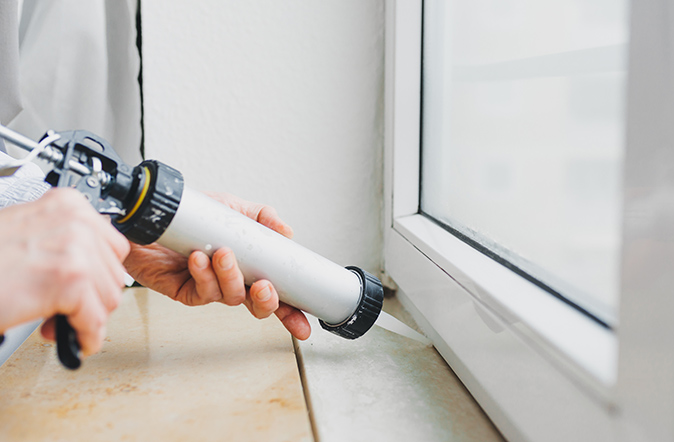
1. Caulk Small Gaps Around the Frame
Caulk works by sealing the tiny cracks between your window frame and the surrounding wall. These small gaps might not seem like much, but they let in a surprising amount of cold air. When you caulk the gaps, you stop those drafts right at the source.
Follow these steps for caulking your windows:
- Scrape off any old caulk with a utility knife.
- Clean the area with soap and water; let it dry.
- Load latex caulk into a caulking gun.
- Run a smooth bead along the gap where the frame meets the wall.
- Use your finger or a caulk tool to smooth it out.
- Let it dry completely.
This method is especially helpful for windows in older homes where the original seal has worn away. It’s a quick and affordable fix that can make a big difference in comfort and energy use. Plus, caulk is easy to apply and lasts a long time when done right.
2. Add Weather Stripping to Moving Parts
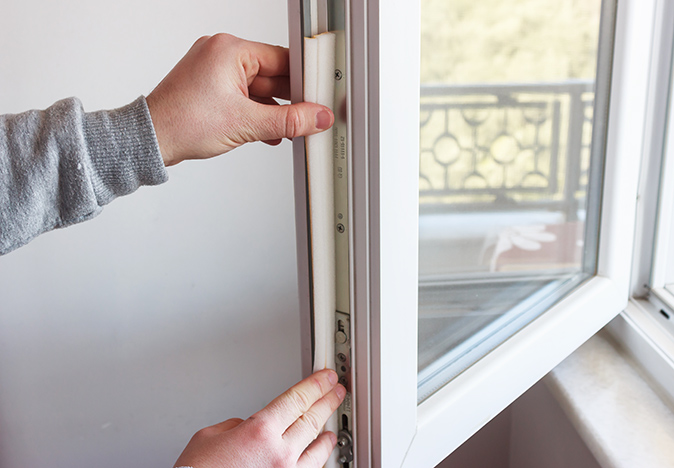
Weather stripping helps close the gaps where window sashes slide or swing open. These are common trouble spots for air leaks because the window has to move, so it can’t be completely sealed.
Here’s the process for weatherstripping your windows:
- Open the window and clean the contact surfaces.
- Measure and cut the weather stripping to fit.
- Peel and stick adhesive-backed strips along the edges where the sash meets the frame.
- Press firmly to secure.
Adding a strip of foam, felt, or rubber to these areas creates a seal that blocks outside air while still allowing the window to function. It’s especially useful for double-hung or casement windows. You’ll feel the difference right away — less cold air sneaking in and more heat staying inside.
3. Use Spray Foam Filler for Larger Gaps
Spray foam is great for sealing wide cracks and spaces around the window frame — especially where the frame meets the wall inside the drywall or trim. Unlike caulk, which is meant for narrow seams, spray foam expands to fill bigger areas and hardens as it dries.
Follow these steps for using spray foam to seal large window gaps:
- Find gaps between the window frame and wall, often near trim or behind molding.
- Clean the area and remove any debris.
- Shake the can of spray foam well and attach the applicator.
- Slowly apply foam into the gap — don’t overfill it.
- Let it expand and dry completely, then trim any excess with a utility knife.
Spray foam works by physically blocking the flow of air and adding insulation between the window frame and your wall. This makes it a good choice if you’ve removed the trim and discovered large gaps behind your window frame. Just be sure to use low-expansion foam so it doesn’t warp the frame.
4. Add Insulation Film
Insulation film is a thin, clear plastic sheet that you attach directly to the inside of your window frame. Once you shrink it with a hairdryer, it tightens up and becomes almost invisible. This film creates a pocket of trapped air between the plastic and the glass. That pocket acts as an extra layer of insulation, reducing heat transfer through the glass.
The downside to this method of window insulation is that you won’t be able to open your windows after it’s installed. This makes it better for cold climates in the winter, where you don’t need to open your windows.
Here are the steps for adding insulation film to your windows:
- Clean the window glass and frame.
- Cut the plastic film to size.
- Use the included adhesive to secure the film to the frame.
- Use a hair dryer to shrink the film until it’s smooth and tight.
It can be helpful for single-pane windows or older homes where replacing windows might not be in the budget. You can install it in minutes, and it makes a noticeable difference during the winter months.
5. Place Draft Stoppers on the Windowsill
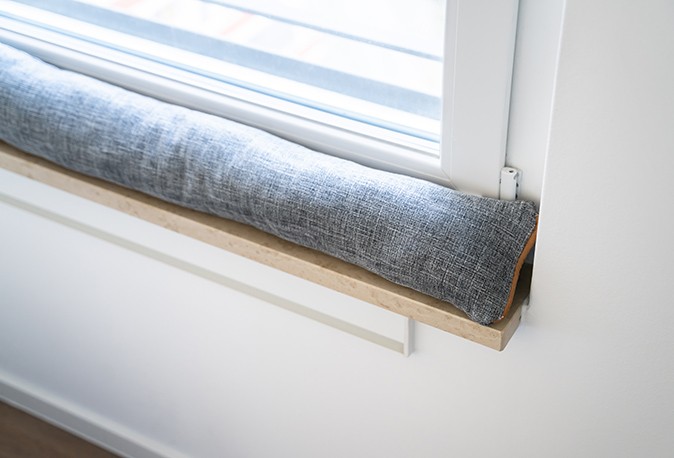
Draft stoppers (also called draft blockers and draft snakes) are a quick fix for cold air leaking in along the bottom edge of a window. These soft, fabric tubes block airflow in places where caulk or weather stripping may not reach — like between the sash and sill.
Here are some of the steps involved in using a draft stopper:
- Buy or make a fabric draft stopper (you can even use a rolled-up towel).
- Place it snugly along the windowsill or ledge.
- Move or adjust as needed for a tight fit.
While they don’t provide long-term insulation, draft stoppers are perfect for renters or anyone who wants a quick solution. They’re easy to move, don’t require installation, and can be used again and again. Use them in bedrooms, basements, or anywhere a little extra warmth is needed.
6. Re-Seal or Re-Glaze Older Windows
Over time, the seals that keep your windows airtight can dry out, crack, or separate from the frame. When that happens, your windows lose their insulating power — even if the glass and frame are still in good shape. Re-sealing windows involves removing the damaged sealant and replacing it with fresh caulk or silicone. This restores the airtight barrier that keeps heat inside and cold air out.
Here’s how to re-seal or re-glaze a window:
- Carefully remove the old glazing with a putty knife.
- Clean the area and let it dry.
- Press fresh glazing compound along the edge of the glass.
- Smooth it out and let it cure as directed.
Re-sealing your windows can be a smart choice if they're still structurally sound but no longer feel energy efficient.
7. Hang Thermal Curtains
Thermal curtains are more than just a decorative touch — they can also help insulate your windows. These window coverings are made with thick, layered fabrics that block drafts and reduce heat loss through the glass.
Here’s how to hang thermal curtains to insulate your windows:
- Choose curtains labeled as thermal or insulated.
- Install a curtain rod close to the window frame.
- Hang the curtains so they fully cover the window and reach the windowsill or floor.
Thermal curtains work by trapping a layer of warm air between the curtain and the window. During the day, you can open them to let the sun warm your space. At night, close them to keep that warmth inside. Thermal curtains are a great option if you want better insulation without making any permanent changes to your windows.
Insulate Your Windows and Cover the Rest With a Warranty
Taking time to insulate your windows can make your home more comfortable and energy efficient. For everything else — like your heating system, plumbing, and major appliances — a home warranty can help you stay protected when breakdowns happen.
Get a free quote today and find out how a home warranty can give you extra peace of mind all year long.
The contents of this article are provided for general guidance only. First American Home Warranty does not assume any responsibility for losses or damages as a result of using this information.
Please be aware that if you disassemble a covered system or item, it can invalidate your home warranty or manufacturer's warranty.






Home Care Buzz Experts
The First American Home Care Buzz team is made up of experienced home warranty writers and editors. Our team provides valuable insights and information to help homeowners like you meet the daily challenges of homeownership.
This article is about...