
Among foodies, induction cooktops are all the rage. And the word is out to more homeowners than ever about how these high-tech cooktops enable quicker, easier, and safer cooking. Whether you’re refurbishing your kitchen, buying a new home, researching induction cooktop reviews, or just interested in how these cooktops work, the following information will advise you on everything you need to know about induction cooktops.
What Is an Induction Cooktop?
When you cook with an induction cooktop, you are taking a step forward in cooking technology. Are you tired of having piping hot burners and coils after cooking leaving everyone in danger of burning themselves? Well, the coils in an induction cooktop use electromagnetic energy to create heat in the metal elements in cookware. They safely generate heat without heating the cooktop surface.
While some heat will be transferred back from the cookware, it is impossible for an electric induction cooktop to burn your fingers, as well as light anything on fire. This is a terrific safety feature that makes an induction burner a great alternative to traditional gas burner stoves or radiant coil cooktops.
How Do Induction Cooktops Work?
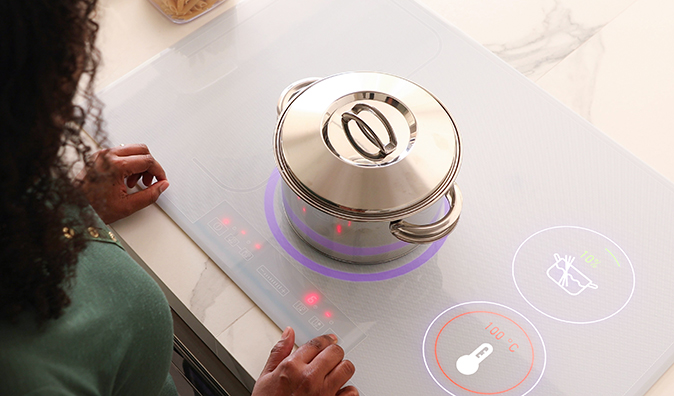
Normal burner and radiant coil stovetops work by thermal conduction of heat into metal or heat-resistant glass cookware. By contrast, an induction oven or cooktop works by electrical induction where currents flow through the copper coil under the ceramic glass, creating a magnetic field. When a compatible pot, such as a stainless-steel pot or a cast iron skillet, is placed on the cooktop, the magnetic field creates electrical currents inside the pan, turning the cookware into a “heater.”
It is important to note that copper or aluminum pans will not work with an induction cooktop unless they have a ferrous metal layer added to them. A trick to test whether or not an induction cooktop will work with a particular pan is to make sure a magnet will stick to the bottom.
The Pros and Cons of Induction Cooktops
Below is a list of the pros and cons of using induction cooktops, which will help you consider whether to have an induction cooktop installed in your home.
Induction Cooktop Pros
Heats Faster
An induction stove can heat a metal pan or pot nearly instantly. Not only does this make cooking faster, but you can lower the time spent making your meals. You’ll find that 6 quarts of water will approach a boil 2 to 4 minutes sooner than on a gas or electric stove, which can be helpful when you’re making dinner on a busy weeknight.
Precise Temperature Control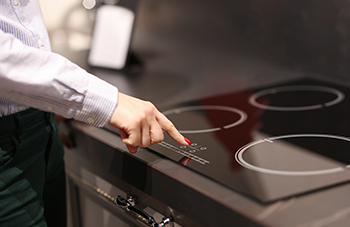
As compared with gas and radiant coil stovetops, induction cooktops offer far more precise temperature control than earlier stove models. This allows for more accurate cooking, with more even results.
Also, when you raise or lower the temperature on an induction cooktop, it results in a higher or lower electromagnetic charge. This means you can adjust the temperature more quickly and precisely than on an electric or gas cooktop.
Energy Efficiency
By their nature, induction stovetops are more energy efficient. An induction stove is up to 10 percent more energy efficient than conventional electric stoves and about three times more efficient than gas stoves.
Speaking of gas, induction cooking is better for indoor air quality. Induction stovetops only transfer energy when in contact with common metal, and the actual cooktops themselves don’t heat up in the same way that gas burners or electric coil stovetops do. Only the energy that is needed gets used; a plus compared to gas stoves, which can release harmful toxins into your home’s air.
Cool Cooking Surface
You can lift a hot pan and place your hand onto an active induction cooktop. Except for the heat that may have radiated from the cookware, the stovetop will be absolutely cool. No more waiting for the burners to cool to clean the stovetop. You can do it almost instantaneously before serving dinner. Amazing!
Safer Cooking
When you turn on an induction burner with no pot on it, it won’t get hot. That’s because the heat is created from within the cookware itself. So, as soon as you remove it from a burner, the heating process stops. With no exposed flame or heated coil filaments, there’s much less of a chance of accidental fire. Induction cooktops cannot make the paper catch on fire, for example.
This makes for safer cooking.
Induction Cooktop Cons
It isn’t all happy cooking with induction cooktops. Like most appliances, they have several drawbacks:
More Expensive
Regular gas or electric coil cooktops can cost around $500, while a middle-tier induction stovetop can start at around $1,000. A top-tier induction range typically costs up to $3,500. When you commit to induction, you must make sure you are comfortable cooking with induction.
Also, if you have a gas or electric range, the swapping of ranges could get expensive. Replacing the electrical range should be simple and easy. However, if you are switching from gas, it could be expensive to call a plumber to close off and remove the gas pipe.
Specific Cookware
Cookware that works with induction cooktops must be made of ferrous metal. While stainless steel cookware is common, this rules out popular cookware like copper pots. If you do invest in an induction stovetop, it's wise to pick up cookware that is labeled “induction friendly.” Common materials like stainless steel and cast iron are always induction friendly.
Learning Curve
Since food heats up so quickly, you essentially will have to retrain yourself on common dishes and recipes to not overcook food. When you get an induction cooktop, it’s wise to carefully watch your favorite recipes and note how quickly temperatures change.
Weird Sounds
At high temperatures, it is common for induction ranges to make rattling, buzzing, or humming noises. While this is not a real issue, it can be alarming for new users. Think of it like the clicking of a gas burner igniting. Often, heavy flat-bottomed pans help reduce the vibrations causing the noises.
Scratches Easily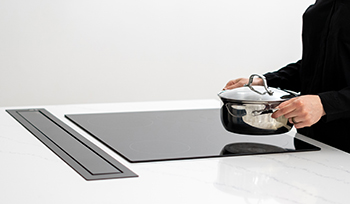
The glass range tops used by induction cooktops can scratch easily. You’ll need to watch for this as you cook and clean the cooktop. To avoid damage, don’t use bleach, abrasive cleansers, steel wool, or rust removers on your induction cooktop. Use soap, water, and a soft cloth or sponge to clean your cooktop. Dry thoroughly to avoid any streaking and staining.
For tough stains, cooktop cleaners help to cut through the mess and leave a streak-free shine while a cooktop scraper is recommended for removing stubborn spills. Always be careful if you put pressure on your cooktop as replacing the glass elements can be costly.
Helpful tip: Be careful with thermometers. Electronic thermometers can get disrupted by an induction cooktop. The solution to this is an old-fashioned one — use only manual, non-electronic thermometers when cooking with induction cooktops.
With these facts in hand, you should have a good idea of whether or not an induction cooktop is suitable for your home.
Protect Your Cooktop, Oven, or Range with a Home Warranty
With a First American home warranty, did you know when your cooktop, oven, or range breaks down unexpectedly, you can call us 24/7 to request service, and your covered appliance can be repaired or replaced? Our home warranties can also cover many other appliances you rely on as well as home systems such as heating, plumbing, and electrical. Find out what our home warranty can protect in your home, or get a quick, personalized quote in minutes.



Keep Reading





This article is about...