
All You Need to Know About Mobile & Manufactured Homes
DECEMBER 17, 2024 | Home Care Buzz Experts | 6 minute read
Mobile and manufactured homes have become increasingly popular thanks to their affordability, customization options, and quick construction. In this guide, we’ll cover everything you need to know about buying a mobile or manufactured home, from definitions and benefits to common challenges and maintenance tips. Plus, we’ll discuss how a First American home warranty can offer you peace of mind and budget protection.
Mobile vs. Manufactured Homes
To get started, it's important to understand the definitions of mobile and manufactured homes. If you're considering buying a manufactured or mobile home, you'll want to know the distinctions between the two. Keep in mind that many mortgage lenders place mobile and manufactured homes in the same category, and the same requirements typically apply to either type.
Mobile and manufactured homes are typically built (at least partially) at a factory and then transported to their destination. The main difference between the two is simply when they were built.
What is a Mobile Home?
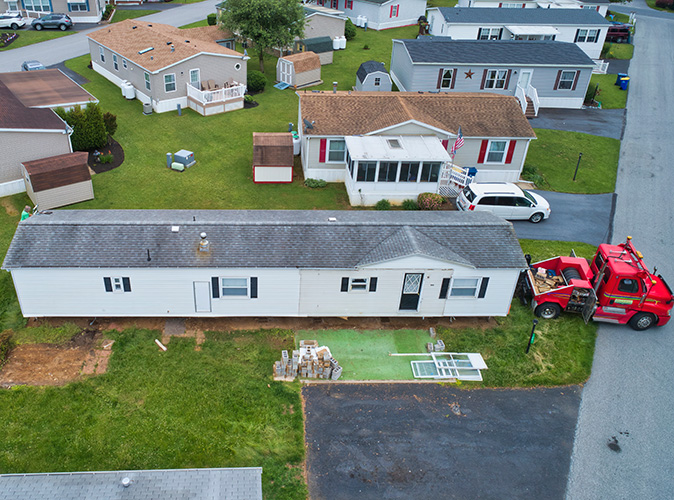
A mobile home, also known as a trailer, is a factory-built home constructed before 1976. These homes were designed to be moved easily and are typically placed in trailer parks or on private land.
Characteristics of Mobile Homes:
- Constructed before 1976
- Often smaller in size compared to modern manufactured homes
- Limited floorplan and design options
- Typically located in mobile home parks or on private land
What is a Manufactured Home?
A manufactured home is a factory-built home constructed after 1976, adhering to the U.S. Department of Housing and Urban Development (HUD) Code. These homes are designed to be more durable and are built to higher safety and quality standards than earlier mobile homes.
Characteristics of Manufactured Homes:
- Built after 1976
- Adheres to current HUD Code regulations
- Constructed using modern materials and safety standards
- Can be customized with various floor plans and features
| Feature | Mobile Homes | Manufactured Homes |
|
Construction date |
Built before 1976 |
Built before 1976 |
|
Standards |
Held to outdated building standards |
Adheres to HUD Code regulations |
|
Materials and Safety |
May have outdated materials and safety features |
Higher quality materials and safety standards |
|
Customization |
Limited customization options |
Wide range of customization options |
|
Common locations |
Often located in mobile home parks or private land |
Can be placed in various settings, including suburban areas |
|
Size |
Typically smaller in size |
Available in various sizes, including larger models |
Advantages of Mobile and Manufactured Homes
Mobile and manufactured homes offer several benefits that make them an attractive option for many homebuyers.
Affordability
- Lower cost: These homes are generally less expensive than traditional site-built homes, making them a more accessible option for first-time buyers and those on a budget.
- Cost-effective living: Lower purchase prices and maintenance costs can lead to significant savings over time. Many modern manufactured homes also have cost-effective energy features.
Flexibility
- Choose your location: Mobile and manufactured homes are built on a chassis, so they can be moved to the location of your choice. However, it's important to note that while these homes can technically be relocated later, this has become less common over the years due to the complexities and costs involved in moving them. Most homeowners choose a permanent site for their home, and once set up, it often remains in place for the long term. Additionally, local zoning regulations and land availability can impact where you can place these homes.
Modern Features
- Up-to-date customization: Today's manufactured and modular homes often include open floor plans, high-quality finishes, and energy-efficient appliances.
- Energy efficiency: Many manufactured homes have energy-saving features, such as improved insulation and high-efficiency windows, which can reduce utility bills and environmental impact.
Common Challenges and Considerations
While buying a mobile home is an appealing option, there are some unique factors to consider. You may also want to check out our buyer’s house-hunting checklist to help with your homebuying journey.
Financing Challenges
- Mortgage options: Financing mobile or manufactured homes can differ from financing traditional homes. Not all lenders offer mortgages for these homes, and loan terms might vary. Securing a loan may require special paperwork or waivers, which can extend the loan process.
- Solutions: You may need to explore personal loans or specialty lenders focusing on manufactured housing.
Zoning Regulations
- Local laws: Zoning laws can affect where you can place your home and whether you can move it later. It’s important to check local regulations to ensure your home can be placed where you want.
- Solutions: Work with a real estate agent or research the regulations in your area to help you determine whether a manufactured or mobile home is a good choice for you.
Maintenance Requirements
- Regular upkeep: Like any home, mobile and manufactured homes require regular maintenance. This includes checking for structural issues, maintaining plumbing and electrical systems, and ensuring the home remains weatherproof.
- Common Issues: Be aware of potential issues like roof leaks, foundation settling, and wear and tear of movable parts.
- Solutions: Have inspections completed regularly and look into home warranty coverage when buying a manufactured home.
Buying and Maintaining a Mobile or Manufactured Home
Consider the following guidance when purchasing or maintaining your mobile or manufactured home:
Buying a Mobile Home
- Research thoroughly: Investigate different manufacturers and models to find a home that fits your needs and budget.
- Work with an agent: An experienced real estate agent can help you navigate the loan process and guide you to reputable manufacturers.
- Inspect carefully: Hire a home inspector to complete a thorough inspection. They'll look for signs of wear, structural issues, or potential problems that could lead to costly repairs.
- Check certifications: Ensure the home meets HUD standards or other relevant certifications, guaranteeing safety and quality (and financing availability).
- Consider location: If you're buying a brand-new manufactured home, choose a location that fits your lifestyle and check local zoning regulations to ensure your home can be placed there.
Maintaining a Mobile Home
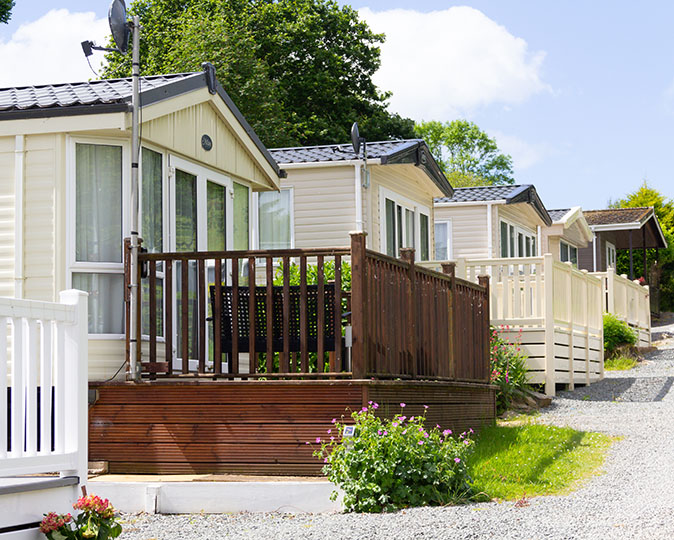
- Regular inspections: Conduct inspections regularly to check for any issues with the roof, foundation, plumbing, and electrical systems. Early detection can prevent major problems.
- Routine maintenance: Perform routine maintenance tasks like cleaning gutters, sealing windows and doors, and servicing your HVAC system.
- Preventative measures: Take steps to prevent common issues, like reinforcing the foundation and ensuring proper drainage around the home.
- Professional help: Don’t hesitate to seek professional help for repairs and maintenance tasks beyond your expertise. Proper care by professionals can extend the life of your home.
Home Warranty for Mobile and Manufactured Homes
If you're enticed by the convenience and affordability of a mobile or manufactured home, you may want to consider a home warranty. These are just a few of the home types covered by First American Home Warranty. (Read more about home warranty coverage for mobile homes.)
If you're buying a manufactured or mobile home, you can ask your real estate agent about home warranty plans for buyers — which are a great option for new homeowners. A home warranty can help protect your budget from unexpected repair or replacement of your mobile home’s appliances and home systems. Warranty coverage also gives you peace of mind, knowing a prescreened professional will be assigned to diagnose and fix covered items when they break. You can compare plans to learn which one is right for you or get a quote today to start coverage for your home right away.
FAQs About Buying a Mobile/Manufactured Home
What is the difference between a mobile home and a manufactured home?
Mobile and manufactured homes are very similar, but the main distinction is when they were built. Mobile homes were built before 1976, and manufactured homes refer to those built any year after that. You can view our table above for more details on the differences.
What is the downside of a manufactured home?
Manufactured homes can pose financing challenges and may not gain value the same way as a traditional home.
How much are most mobile homes?
Recent Forbes reports state that the average cost for a mobile home ranges from S50,000 to S250,000, depending on the size of the home.
How do I finance a manufactured home?
Many mortgage companies do offer financing for manufactured or mobile homes, if certain criteria are met. You may need to speak with several lenders to learn what their requirements are before making your next steps.
The contents of this article are provided for general guidance only. First American Home Warranty does not assume any responsibility for losses or damages as a result of using this information.



Keep Reading






Home Care Buzz Experts
The First American Home Care Buzz team is made up of experienced home warranty writers and editors. Our team provides valuable insights and information to help homeowners like you meet the daily challenges of homeownership.
This article is about...