
Home Warranty Termite Coverage: Protection for New Home Buyers
FEBRUARY 11, 2026 | Home Care Buzz Experts | 6 minute read
Blog Summary
First American real estate home warranty plans offer subterranean termite treatment coverage as an optional add-on.
A new home buyer can add this coverage to their plan to help cover termite treatment in the home and garage, but it doesn’t cover infestations.
Getting rid of termite infestations requires professional pest control services, which home buyers can purchase with a real estate home warranty plan. Subterranean termite treatment coverage is only one of the many options and upgrades available with a real estate home warranty plan.
In addition to getting rid of termites and other pests, a home warranty also protects many appliances and home systems when they break due to normal wear and tear, including heating and cooling systems, plumbing, electrical, and kitchen appliances. Home warranties can also cover pools, spas, roof leaks, and more.
Does a First American Home Warranty Cover Termites?
Yes, all real estate home warranty plans from First American offer subterranean termite treatment coverage as an option. This home warranty pest control option includes getting rid of termites in your home and garage, but doesn’t cover infestations in fences or decks. It also doesn’t cover damage to your home from termite infestations. This damage isn’t usually covered by homeowners insurance, either.
That’s why it’s important to treat termites and keep other pests under control. When purchasing a new home, we recommend using our home inspection checklist to help you recognize and uncover red flags to prevent costly damage caused by pests.
What Home Warranty Termite Coverage Includes
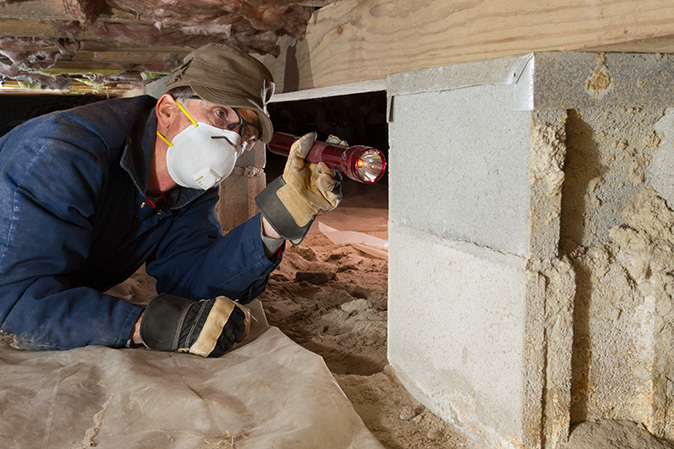
With a First American home warranty for home buyers, you can add an option for the treatment of subterranean termites in your main home and garage. This option does not cover infestations in decks or fencing. And while this option includes treatment, it does not cover damage caused by termites. Optional coverage includes a one-time $200 service fee per contract for such treatment. Repeat visits are free of charge.
Termite Treatment Costs Without Home Warranty Coverage
When you don’t have a home warranty with optional subterranean termite treatment coverage, you’ll have to find and call in a professional on your own. Costs vary widely depending on where you live, but generally, a one-time visit can cost $600 or more, and annual plans can start at $900 or more, according to HomeGuide.
When to Consider Termite Coverage
You might want to consider termite coverage if:
- You’re buying an older home
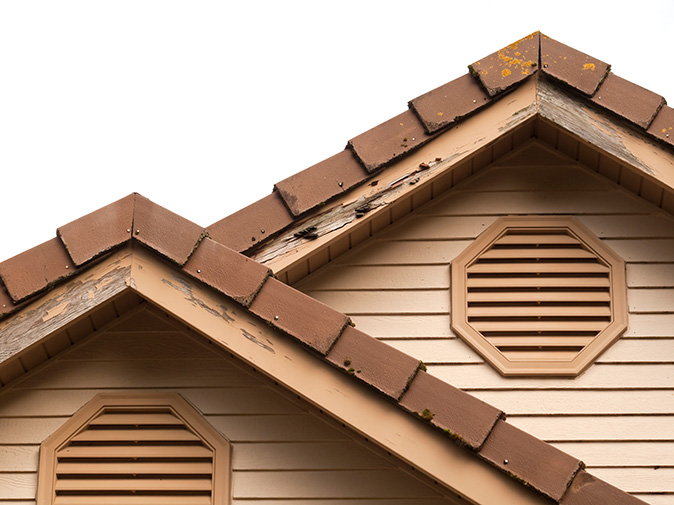
- The home is in a high-risk area, including the Southeast, Southwest, and Pacific Coast
If you aren’t eligible for a real estate home warranty, a termite service agreement could be a good investment. They can help cover the cost of termite damage or infestation. You can purchase termite protection plans through most pest control companies. The cost depends on factors such as size, location, and building type. These contracts generally include an initial inspection, termite control treatment, and annual inspections.
If you're concerned about termites, a qualified inspector can identify signs of termite activity and recommend how to protect your home from more damage. Regular termite inspections can also help detect infestations early, saving you money in the long run by preventing costly repairs.
How to Know if Your Home Has Termites
If you have a termite problem, you may need to hire a licensed pest control company. But how to know if you have termites?
A few signs that can signal the presence of termites on your property include:
- Mud tubes: Mud tubes are one of the most visible signs of termite infestation. Termites create pencil-sized tubes to travel between their nest and food source. Look for mud tubes running up the side of your foundation, beams, or walls.
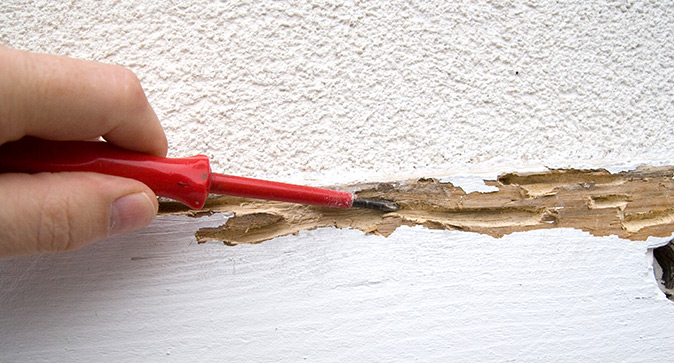
- Wood damage: Termites feed on wood, and this can cause damage to wooden structures over time. Check for hollowed-out wood, soft or sagging floors, or bubbling or cracked paint. A hollow sound when you tap on would is another telltale sign of termites.
- Swarms: Termites typically swarm in the spring or summer, so keep an eye out for groups of winged insects around your property. You may also find small, clear discarded wings around the house.
- Frass: Drywood termites excrete tiny, wood-colored pellets called frass, which they push out of their tunnels. Termite frass is described as small, oval, six-sided pellets, almost like seeds. Look for small piles of frass inside your home, often found in piles near wood like baseboards or trim.
- Clicking sounds: If you hear clicking or rustling sounds coming from inside your walls, this could be a sign of termites.
- Blistering paint: Bubbling or peeling paint that may look like water damage could be another sign of termite infestation.
How to Prevent Termites Around Your Home
Prevention is the most effective method of termite control. Termites love wood, and soft wood is even better! They are soft-bodied insects that dry out quickly, so humidity and dampness allow accelerated colony growth. These pesky pests love damp crawl spaces and wood siding, too.
Inspecting for pests like termites should be part of a homeowner’s routine maintenance, such as changing an air filter or cleaning the gutters.
Clearing the space around your home and reducing hospitable conditions are good places to start. Focus on moisture control and food sources. Here are some other things that can help:
- Monitor and repair any leaking water to limit available moisture
- Get rid of standing water around the foundation
- Keep gutters and downspouts clean
- Ventilate crawl spaces or basements, or use dehumidifiers
- Clear excess ground cover, mulch, firewood, or debris near the foundation
- Don’t store newspapers or cardboard boxes near your home
- Regularly inspect for damage, especially around wooden decks and fences
- Seal gaps around the foundation, exterior walls, or incoming utility lines
Reducing clutter, moisture, and insect food sources around your home, along with regular pest inspections, can greatly reduce the risk of termite infestation.
Most pest control experts recommend a professional inspection every 12 months for all homes. Twice a year is recommended for homes in warm, humid climates prone to termites, such as Florida, Texas, and California, or for homes with a history of termite infestations.
It’s always wise to have a pest inspection when you’re buying a home. In fact, many lenders require a “clear” termite report. It may also be wise to have your property inspected before starting major renovations to check the integrity of walls and supports.
What a Home Warranty Covers for Homeowners
Even if you’re not buying a home, you can still get the many benefits of a home warranty for homeowners. Home warranties help protect your home’s systems and appliances and provide a simple solution when your covered items break.
To understand more about how a home warranty works and what is not covered by a home warranty, get a free home warranty quote today.
FAQs About Termite Home Warranty Coverage
Does a First American home warranty cover termites?
Yes, all real estate home warranty plans from First American offer subterranean termite treatment coverage as an option.
Does a First American home warranty cover termite damage?
Although home warranties for home buyers can cover getting termite treatment, neither home warranty plans nor homeowners insurance policies cover the damage that termites cause.
How do I add optional termite coverage to my real estate plan?
When you’re buying a real estate home warranty, you can add options and upgrades to your plan. Your real estate agent can assist you in finding the right level of coverage and ordering a plan. You can also order online or call 833.518.2157 to discuss plans, options, and upgrades.
What are the signs my house has termites?
If you see any of these, it might indicate termite presence: mud tubes, hollow or soft wood, tracks in wood, bubbling paint not caused by water, swarms of small flying insects or their discarded wings, tiny seed-like waste pellets called frass, or unexplained sounds inside your walls.
Do I need a professional to inspect for termites, or can I do it myself?
You can and should take precautions and keep an eye out for signs of termites yourself. Inspecting for pests should be part of a homeowner’s routine home maintenance, like changing an air filter or cleaning the gutters. But most pest control experts recommend a professional inspection at least every year, more often depending on the climate and the age of a home.
Please review the sample contract for specific coverage, terms, and limitations.



Keep Reading









Home Care Buzz Experts
The First American Home Care Buzz team is made up of experienced home warranty writers and editors. Our team provides valuable insights and information to help homeowners like you meet the daily challenges of homeownership.
This article is about...