
How to Move with Pets: Your Complete Moving Checklist
NOVEMBER 07, 2024 | Home Care Buzz Experts | 5 minute read
Whether you're a seasoned pet owner or a new pet parent, moving with pets can be a challenge. Many pets experience stress and anxiety during moves (much like their owners), so planning ahead is crucial. We've put together some practical tips to ensure your pets stay safe and comfortable throughout the moving process. From booking vet visits to creating a cozy new space, we'll cover everything you need to know (in addition to our comprehensive moving to-do list). Check out what you can do to make moving easier for your pets:
Just starting the house search? Get help from our buyers viewing checklist
1. Visit the Vet
Before moving, schedule a vet appointment to ensure your pet is healthy. Ask for a copy of medical records and prescriptions for any medications your pet needs. If you're moving to a new state or area, you may be able to ask for an extended supply while you wait to get into a new practice. Discuss ways to manage your pet’s anxiety during the move.
2. Update Pet Identification
Make sure your pet’s microchip and tags have your current contact information. This is crucial if your pet gets lost during or shortly after a move. Verify that the microchip is registered with your most recent details, and consider getting a collar tag with your new address and phone number.
3. Pack an Essentials Bag
Prepare a bag with your pet's necessities so you don't have to search for them while you unpack:
- Food and water
- Bowls
- Medications
- Favorite toys
- Blanket or bed
- Litter supplies for cats
- Leashes and walking supplies
If you need help paring down after you've settled in, check out our home declutter checklist.
4. Prepare Your New Home
Set up a safe space in your new home with familiar items like beds, toys, and blankets. Pet-proof the area by checking for hazards such as loose wires, small objects, or toxic plants. Create a quiet, calm environment to help your pet adjust more quickly.
5. Keep Pets Calm on Moving Day
On moving day, keep your pet in a quiet room away from the chaos. Use a carrier or crate to keep them secure and calm. Maintain their routine as much as possible by feeding and walking them at their usual times. Consider using calming aids like chews, pheromone sprays, or anxiety wraps.
6. Transport Safely
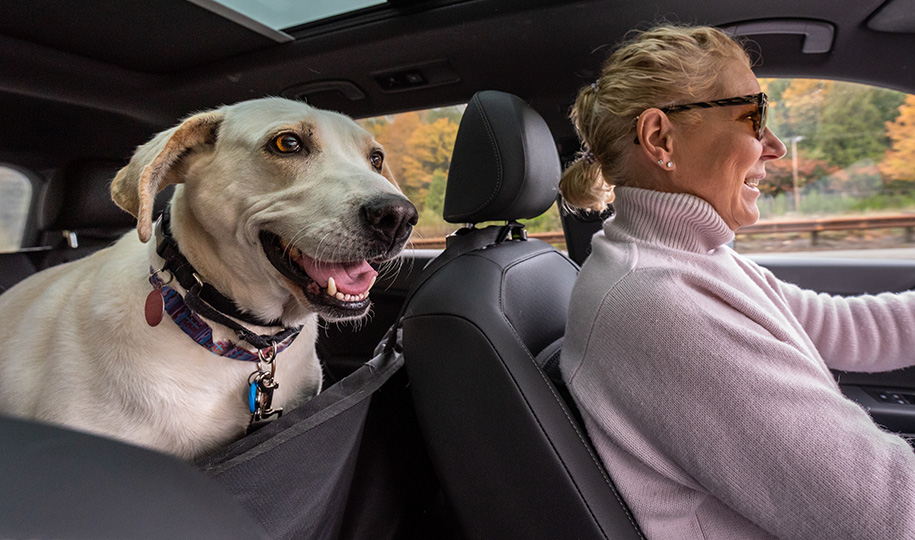
Ensure your pet is securely fastened in the vehicle using a pet seat belt, carrier, or crate. For long-distance moves, plan regular breaks to allow your pet to stretch, hydrate, and relieve themselves. Never leave your pet alone in a parked car, especially in extreme weather conditions.
7. Introduce Pets to Their New Home
Start by setting up your pet in one room with their essentials, like their bed, litter box, and food bowls. Let them gradually explore the rest of the house at their own pace. Be patient and give them time to adjust to the new environment, which can take several days to weeks.
8. Monitor Pets After the Move
Watch for signs of stress or illness, such as changes in appetite, behavior, or bathroom habits. Maintain a consistent routine with feeding, walks, and playtime to help them settle in. Provide plenty of love and reassurance during this transition period.
9. Update Pet Records
Once you've moved, register with a new vet (if necessary) and provide them with your pet's medical history. Update your address and contact information with your pet insurance provider and the microchip registry. This ensures that all records are current and that your pet can receive prompt medical attention if needed.
Related: House hunting tips for first-time home buyers
Every Pet is Different
While the tips above apply to moving with any pet, there are some pretty significant differences between how dogs, cats, and small animals adapt to moves. Let's go over some specifics:
Moving with a Dog
Dogs are typically pretty adaptable to change, but they can still experience stress during a move. They thrive on routine and can become anxious when their environment changes. Consider the following to help them adjust:
- Temporary care: Consider taking your dog to a friend’s house or pet daycare on moving day to avoid the chaos and minimize escape opportunities.
- New routine: Establish a new routine quickly in the new home to help them adjust.
- Explore together: Frequent walks and playtime in your new neighborhood can help them become familiar with their new surroundings.
- Comfort items: Bring their favorite toys, beds, and blankets to provide a sense of familiarity.
- Positive reinforcement: Reward calm behavior with treats and praise to ease the transition.
Moving with a Cat
Cats are typically more sensitive to environmental changes and may react strongly to a move. They often feel safer in familiar surroundings, so moving can be particularly stressful. Here are a few tips for moving with cats:
- Quiet space: Keep your cat in a quiet room with their favorite items during packing and moving days.
- Gradual introduction: Introduce them to the new home slowly, starting with a single room.
- Hiding spots: Provide plenty of hiding spots where they can retreat if they feel overwhelmed.
- Consistent environment: Use familiar items like their bed, toys, and litter box to create a sense of continuity.
- Patience and observation: Give them time to adjust and watch for signs of stress or discomfort, adjusting your approach as needed.
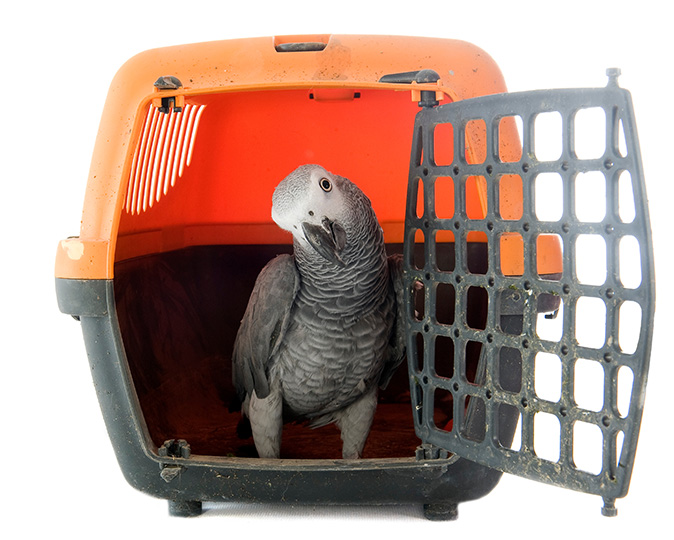
Moving with Pets: Tips for Small Animals
Small animals like reptiles, rodents, and birds have unique needs during a move. Their specific care requirements mean extra attention to detail to ensure their safety and comfort. Here are some things to consider:
- Secure transportation: Use appropriate carriers or enclosures designed for their species. Ensure they are well-ventilated and secure.
- Temperature control: Maintain a stable temperature, especially for reptiles, who are sensitive to changes. Use portable heat sources if necessary.
- Minimize stress: Cover cages or enclosures to reduce visual stimuli and help keep them calm.
- Temporary housing: Set up temporary housing with familiar items as soon as you arrive to minimize disruption.
- Monitor health: Keep a close eye on their behavior and health, and consult a vet if you notice any signs of stress or illness.
Need more moving tips? Check out our comprehensive moving guide.
So, What's Next?
Congrats, you've made it through our tips for how to move with pets! From vet visits to setting up your new home, these steps help ensure your pets are safe and comfortable. As you settle into your new place, consider how a home warranty can provide added peace of mind. With First American Home Warranty, you can protect your new home from unexpected repair costs, saving you money for pet-related expenses. Get a quote today to see how we can help keep your family—pets included—safe and secure.
FAQs About Moving with Pets
What should I do with pets when moving?
Keep pets in a quiet, secure space away from the moving activity, and transport them safely to the new home as soon as possible.
How do I move with dogs?
Use a carrier or crate, maintain their routine, and gradually introduce them to the new environment with familiar items.
How do I move with cats?
Keep cats in a quiet room with familiar items, move them in a secure carrier, and slowly introduce them to their new home.
Is it hard to move with pets?
Moving with pets can be challenging due to their stress and anxiety, but proper planning and preparation can make it easier.
How do you move pets long distances?
Ensure pets are secure in a carrier, take regular breaks for long trips, and maintain a stable environment during transit.
Should I move pets first or last?
Move your pets last to minimize their exposure to the moving chaos and set up a calm, familiar space for them in the new home first.
The contents of this article are provided for general guidance only. First American Home Warranty does not assume any responsibility for losses or damages as a result of using this information.







Home Care Buzz Experts
The First American Home Care Buzz team is made up of experienced home warranty writers and editors. Our team provides valuable insights and information to help homeowners like you meet the daily challenges of homeownership.
This article is about...