
What Is a Plumbing Vent Pipe and How Does it Work?
AUGUST 04, 2025 | Home Care Buzz Experts | 4 minute read
If your drain gurgles or smells a little off, the issue might not be the pipe under your sink — it could be the plumbing vent pipe on your roof. This part of your plumbing system works behind the scenes but plays a significant role in how your home handles wastewater.
Below, we’ll break down what a plumbing vent pipe does, where to find it, how to keep it working, and what to do when it’s clogged.
What Is a Vent Pipe for in Plumbing?
A plumbing vent pipe helps air flow through your drain pipes. Without it, water can’t flow smoothly through the plumbing system.
Every time you flush a toilet or drain a sink, water pushes air through the pipes. The vent pipe lets that air escape so water can flow freely. It also keeps sewer gases from building up and returning to your home.
Think of it like this: your plumbing system needs to “breathe,” and the vent pipe helps it do that. Without a working vent pipe, drains run slowly, toilets might not flush, and bad smells can sneak into your home.
Where Is the Plumbing Vent Located?
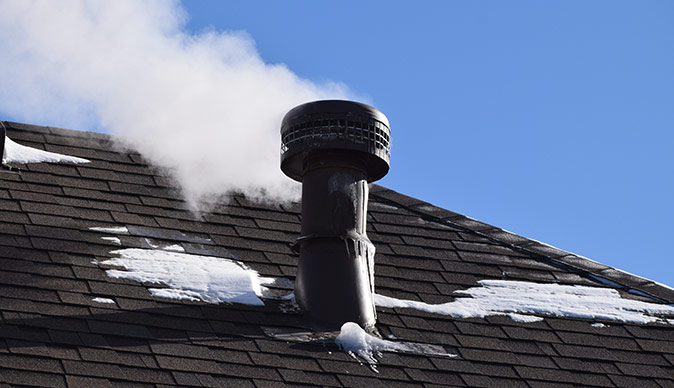
Most homes have a plumbing vent pipe on the roof. It sticks up through the shingles and looks like a short, open pipe. That’s because the vent pipe needs to release air and gases outside, far away from where you live and breathe.
Some older homes or remodels might have different setups, but in most cases, you’ll spot your plumbing roof vent sticking out above bathrooms and the kitchen.
Types of Plumbing Vent Pipes
There are several types of plumbing vent pipes. Each one helps air flow through your plumbing system so water and waste can move properly:
- True vent: This is the main vertical pipe that extends through your roof and allows air to flow freely through the plumbing system.
- Wet vent: This drain pipe also functions as a vent, commonly found in bathroom plumbing setups.
- Air admittance valve (AAV): This one-way valve opens to let air into the system when needed. It is often used when a roof vent isn’t possible.
- Loop vent: Typically, your plumber will install these vents under kitchen islands, where a direct connection to a roof vent isn’t practical.
- Common vent: This vent connects two fixtures back-to-back, usually for sinks on either side of the same wall.
What Causes Clogged Plumbing Vent Pipes?
Just like regular drain pipes, vent pipes can get clogged. Common causes include:
- Leaves or debris falling into the pipe from the roof
- Bird nests or small animals blocking the opening
- Snow or ice during winter
- Corrosion or buildup of grease or cooking oils inside older pipes
When your vent pipe becomes blocked, it can cause all kinds of plumbing issues inside your home.
Signs Your Plumbing Vent Pipe Isn’t Working Properly
Here are some common signs that your plumbing vent pipe might be clogged, obstructed, or damaged:
- Gurgling sounds when water drains
- Slow-draining sinks, tubs, or showers
- Bad smells coming from your drains
- Bubbling in the toilet bowl when using the sink
- Toilets that are hard to flush or won’t flush at all
If these problems sound familiar, you should examine your vent pipe more closely to determine if there’s a clog.
How to Fix a Clogged Plumbing Vent Pipe
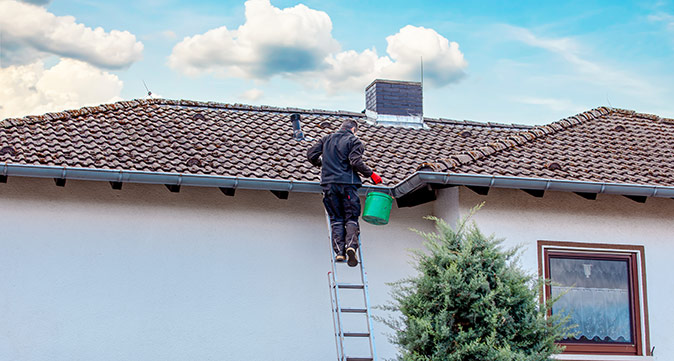
If you feel comfortable climbing on the roof of your house and the weather is safe, you can try clearing the vent pipe yourself. Start by locating the pipe and shining a flashlight inside to check for blockages. If you see debris, you can use a plumber’s snake or a garden hose to break it up.
Then, flush the pipe with water to rinse out anything left behind. Only attempt this if you’re confident you can do it safely.
If you can’t reach the clog, don’t want to get on the roof, or your plumbing issues continue, it’s best to call a licensed plumber. They have the right tools to clear the vent and inspect the system for deeper problems you might not see.
Should I Inspect or Maintain My Plumbing Vent Pipe?
Yes! Like the rest of your plumbing, your vent pipe needs regular attention. Here are some tips to keep it in good shape:
- Check the roof vent once a year for blockages, especially after storms.
- Install a screen or cap to keep out leaves and animals.
- Trim nearby branches that could drop debris into the pipe.
- Look for rust or corrosion on older metal pipes.
You can make sure your plumbing works properly and lasts longer by keeping up with maintenance.
Stay Ahead of Plumbing Problems
Your plumbing vent pipe might not be something you think about, but it plays a big role in keeping your home running smoothly. If it’s clogged or damaged, your drains can slow down, your home can smell bad, and your plumbing might start to back up.
A home warranty can help take care of many covered plumbing issues, so you’re not left dealing with them on your own. Get a free home warranty quote to find out how simple it is to protect your home’s systems.
The contents of this article are provided for general guidance only. First American Home Warranty does not assume any responsibility for losses or damages as a result of using this information.
Please be aware that if you disassemble a covered system or item, it can invalidate your home warranty or manufacturer's warranty.

Keep Reading






Home Care Buzz Experts
The First American Home Care Buzz team is made up of experienced home warranty writers and editors. Our team provides valuable insights and information to help homeowners like you meet the daily challenges of homeownership.
This article is about...