
Roof Maintenance: 9 Tips to Keep Your Roof in Top Shape
APRIL 21, 2025 | Home Care Buzz Experts | 5 minute read
Your roof protects your home from the elements, but needs regular maintenance to stay in good shape. A well-maintained roof can last longer, prevent costly repairs, and keep your home safe. Use this maintenance checklist to stay on top of upkeep and avoid major issues down the road.
How Often Should You Inspect or Clean Your Roof?
You should try to inspect your roof at least twice a year — once in the spring and again in the fall. This can help you catch minor issues before they turn into more expensive repairs. It’s also a good idea to check your roof after a significant event, like a storm, especially if you notice missing shingles or debris building up.
Why is Roof Maintenance Important?
Regular roof maintenance can help you:
- Prevent leaks and water damage
- Extend the life of your roof
- Avoid costly repairs or prematurely replacing your roof
- Improve energy efficiency by maintaining proper insulation
- Keep your home safe from water damage
Sometimes, damage to your roof can be unavoidable. While homeowners insurance typically covers damage from storms or accidents, a home warranty may take care of roof leaks caused by normal wear and tear. Knowing you're covered can help you decide your next steps if you're dealing with a leak.
Roof Maintenance Checklist: 9 Tips
Below are some roof maintenance tips for keeping your roof in good condition year-round.
1. Inspect Your Roof
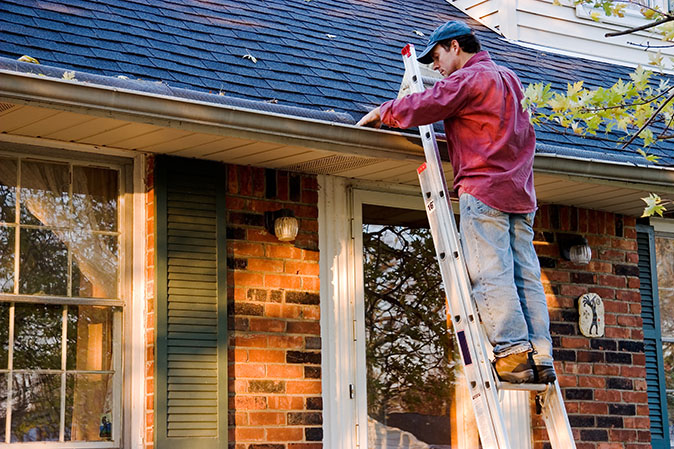
Your roof is constantly exposed to weather conditions that can cause wear and tear. You may be able to identify potential problems just by visually inspecting your roof. Look for cracked, missing, or curling shingles, as these can allow water to seep in and cause leaks.
In colder climates, ice dams — or ridges of ice that form at the edge of a roof and prevent melting snow from draining — can cause water to back up and damage your roof. If you notice any of these issues, consider reaching out to a roofing expert to help prevent further damage.
2. Inspect and Maintain Roof Flashing
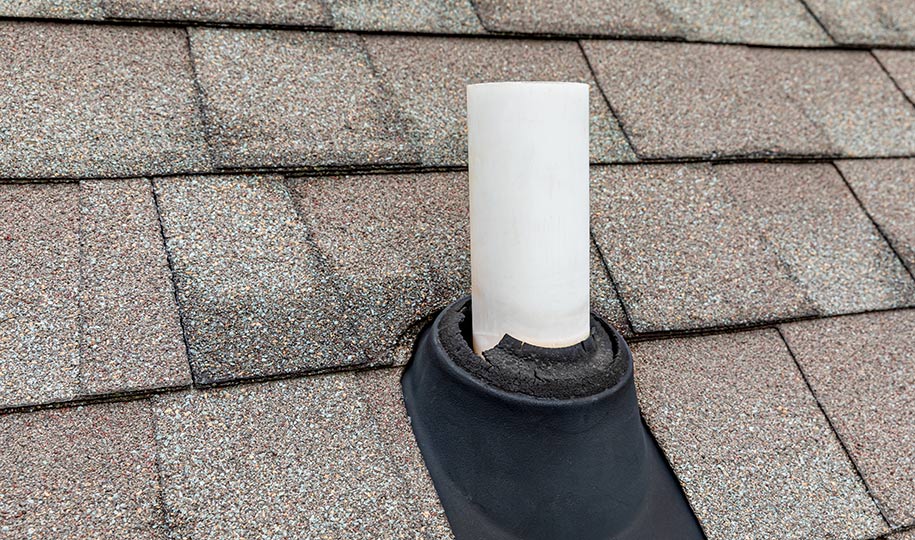
Flashing acts as a barrier around roof features like chimneys, skylights, and vents, and helps prevent water from seeping into these areas. Over time, flashing can corrode, loosen, or crack, which can allow water to get through. Regularly inspecting your roof’s flashing and resealing or replacing it as needed can help you maintain a watertight roof.
3. Clean Gutters and Downspouts
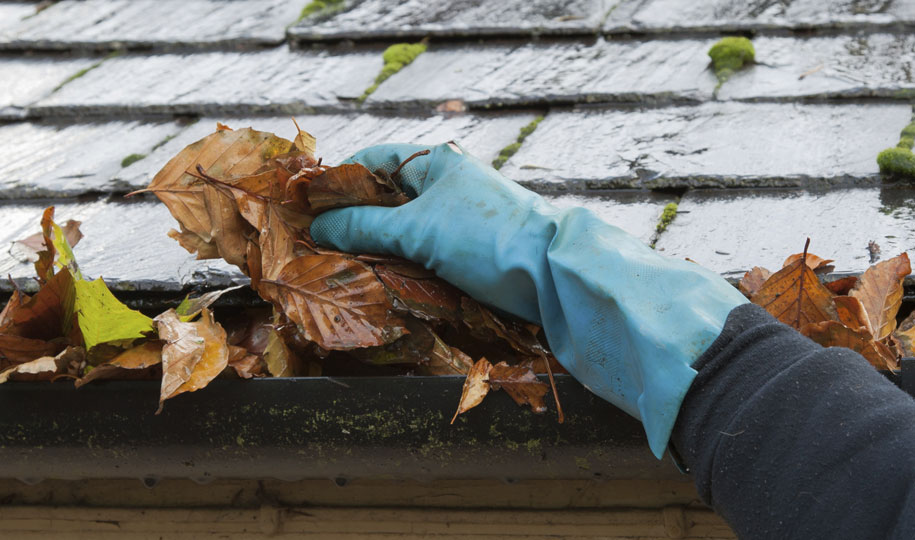
Clogged gutters can cause water to back up onto your roof, which can lead to rot, mold, and structural issues. Clear our leaves, twigs, and other debris a few times a year to keep water flowing off your roof and away from your home.
Also, check for sagging or detached gutters. These can prevent water from draining properly and damage your roof and foundation.
4. Trim Overhanging Branches
Trees with overhanging branches can be a risk to your roof, especially during storms. Branches that rub against the roof’s shingles can wear them down over time. Trimming back limbs that are too close to your roof can reduce the risk of potential damage and help prevent animals from climbing nearby trees and getting access to your home.
5. Check for Moss and Algae Growth
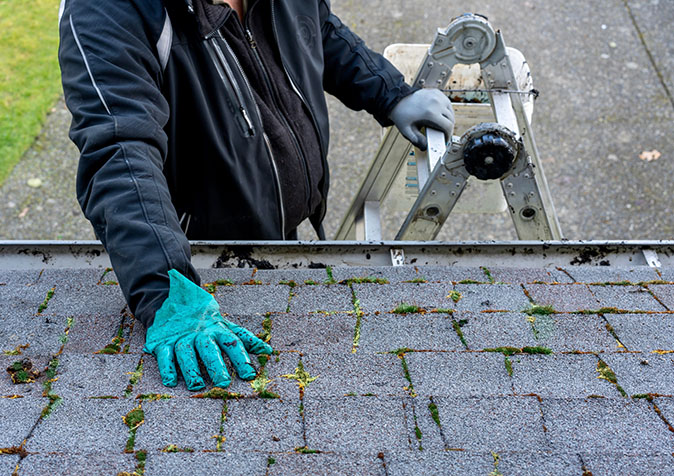
Moss and algae can hold moisture in, causing your roof to deteriorate quickly. If you notice green or black streaks on your roof, consider using a cleaning solution specifically designed for roofs. Avoid using a pressure washer, as it can strip away the protective layers on your shingles.
Keeping your roof dry and free of debris, such as leaves and twigs, can also help prevent moss and algae growth.
6. Check Your Attic and Look for Signs of Leaks
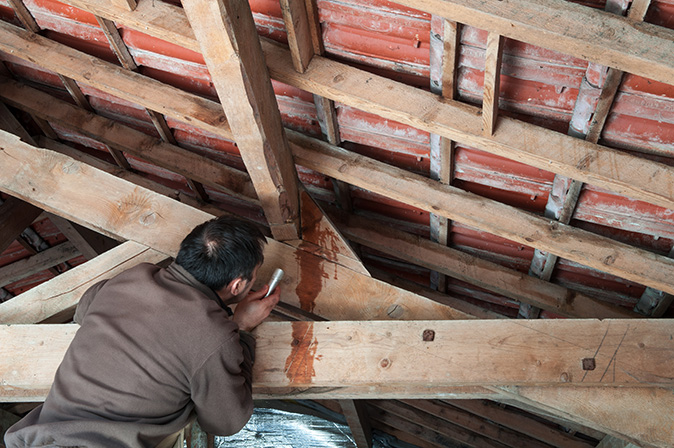
Although water stains on your home’s ceilings or walls are a common sign of a roof leak, your attic can reveal hidden roof problems before they become more severe. Look for damp spots, water stains, mold growth, or sagging insulation, which may indicate leaks or ventilation issues. Addressing these warning signs when you notice them can help prevent costly roof repairs in the future.
A professional roofer can also help pinpoint the source of the issue and recommend the necessary repairs.
7. Make Sure There’s Proper Roof Ventilation
Poor ventilation in your attic can cause heat and moisture to build up, which can lead to mold growth, higher energy bills, and roof deterioration. Check that your vents are unobstructed and that your attic has good airflow. Installing additional attic vents may help regulate temperature and humidity.
8. Schedule Professional Roof Inspections
While DIY inspections can help you catch visible issues, professional roofers have the expertise to identify hidden damage. Having a roofing expert inspect your roof every couple of years can help identify problems early on and extend the lifespan of your roof.
9. Consider a Home Warranty for Roof Leak Coverage
Even with proper maintenance, unexpected roof leaks can happen. A home warranty with limited roof leak coverage can take care of repairs for leaks caused by normal wear and tear.
With the Starter, Essential, and Premium plans, roof leak coverage includes repairs for leaks caused by rain on tar and gravel, tile, shingle, and composition roofs — provided the roof was in watertight condition when the contract started. Coverage is limited to repairs only, up to $1,000, and doesn’t include full or partial roof replacement.
If you’re concerned about potential roof leaks, consider a home warranty with roof leak coverage to help manage these costs and make sure a pre-screened technician handles leaks.
Roof Maintenance for Different Roofing Materials
Different roof types may require different maintenance methods. Here’s how to care for common roofing materials:
- Asphalt shingles: Check for granule loss, cracked shingles, and curling edges. Replace any damaged shingles as needed to prevent water damage and other roof issues.
- Metal roofs: Inspect the metal roof for rust, loose seams, and damaged screws and fasteners. Also, keep the surface clean to prevent corrosion.
- Tile roofs: Check for cracked or broken tiles and make sure the roof flashing is intact.
- Flat roofs: Watch for pooling water and inspect for cracks or blisters in the roofing membrane
Plan Ahead for Unexpected Roof Leaks
Routine roof maintenance can help prevent leaks, maintain energy efficiency, and extend your roof’s lifespan. However, even with diligent upkeep, some repairs are unavoidable.
A home warranty with optional roof leak coverage from First American Home Warranty can help you manage these unexpected costs. By covering leak repairs up to $1,000, our Limited Roof Leak Repair option can provide financial relief so that your roof stays in good condition for years to come.
Explore our coverage options and get a personalized quote to help protect your home.
The contents of this article are provided for general guidance only. First American Home Warranty does not assume any responsibility for losses or damages as a result of using this information.
Please be aware that if you disassemble a covered system or item, it can invalidate your home warranty or manufacturer's warranty.



Keep Reading




Home Care Buzz Experts
The First American Home Care Buzz team is made up of experienced home warranty writers and editors. Our team provides valuable insights and information to help homeowners like you meet the daily challenges of homeownership.
This article is about...